In This Guide
- 1.Getting there and what the weather actually does
- 2.The porticos themselves — what you're actually looking at
- 3.Tinto culture is not specialty coffee culture, and that's the point
- 4.Bar Nouveau and the piano you hear from the sidewalk
- 5.Skip the Prado walking tour industry
- 6.Lunch at Restaurante El Patio before the rain
- 7.The church everyone photographs but nobody enters
- 8.What the consensus gets wrong about Prado's safety
- 9.Late afternoon, after the rain stops
Rain hit the tin awnings on Carrera 45 like a snare roll, and I ducked under the nearest Art Deco portico with a tinto in a styrofoam cup and zero regrets. That's Prado in July — a barrio where the architecture does the work your umbrella won't. Medellín's afternoon storms roll in around 2 or 3 p.m. most days this month, turning the streets into temporary rivers, and Prado's covered walkways and deep entryways become the best seats in the house.
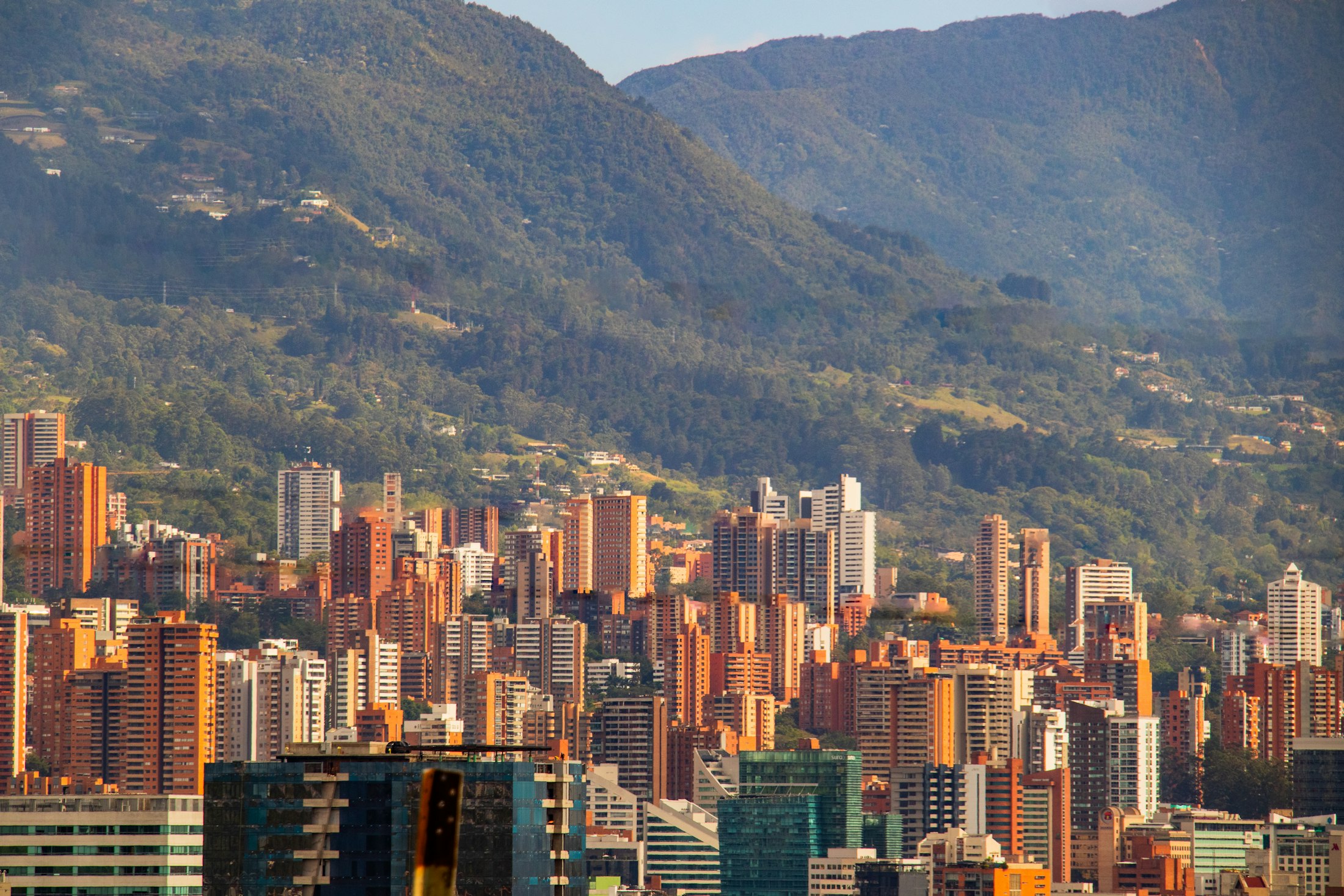
Most neighborhood guides send you to Laureles or El Poblado. Prado barely registers. But the old residential district north of the centro has more architectural personality per block than anywhere else in the city, and the July weather — which scares off the light-commitment tourists — is exactly what makes it worth your afternoon. You dodge rain, drink cheap coffee, hear piano music leaking out of a second-floor window, and walk past facades that look like they were shipped in pieces from 1930s Buenos Aires.
1. Getting there and what the weather actually does
From El Poblado, take the Metro north to Estación Universidad. Walk west on Calle 52 for about eight blocks. The whole trip runs maybe 35 minutes door to door, and the metro costs 3,150 COP per ride as of mid-2024.
July is technically Medellín's second rainy season, and Prado gets hit hard. Mornings are usually clear and warm — mid-70s Fahrenheit. By 1:30 p.m. the clouds stack up over the eastern ridge. By 3 p.m. it's pouring. The rain lasts an hour, sometimes two, then the air goes cool and the streets smell like wet concrete and guayacán leaves. Plan your walking for morning or late afternoon. The storm window is your excuse to sit still.
Pro tip:Carry a thin dry bag for your phone and passport. The rain is warm but sudden, and Prado's streets have no covered bus stops — just the porticos themselves.
2. The porticos themselves — what you're actually looking at
Prado was Medellín's first planned residential neighborhood, laid out in the 1920s when the city's textile money was peaking. The houses along Carrera 45 and Carrera 46 between Calles 57 and 60 show off Art Deco, Republican, and Neo-Gothic styles — but it's the Deco details that stop you. Fluted columns with sunburst capitals. Geometric ironwork on balcony rails. Rounded corners on entryways wide enough to park a Ford Model A inside.
Most of these buildings are private residences or small institutional offices now. You can't go in. But the porticos and facades face the street, and nobody minds if you stand under one during a downpour.
I made the mistake of trying to photograph them at noon on my first visit. The overhead sun flattens every shadow and kills the geometry. Come between 4 and 5:30 p.m., after the rain clears, when the western light hits the facades at a low angle and all those stepped profiles actually pop.
Stay in Medellín
Top-rated hotels near Medellín
Best locations · Verified reviews · Free cancellation
View deals
Expedia →3. Tinto culture is not specialty coffee culture, and that's the point
Y'all can keep your 18,000 COP pour-overs in El Poblado. Prado runs on tinto — black coffee, pre-sweetened with panela, served in small cups from thermoses carried by guys on every other corner. A cup costs 800 to 1,200 COP. It's not single-origin. It's not washed-process anything. It tastes like coffee is supposed to taste when you're standing under a leaky awning watching rain flood a storm drain.
The tinto vendors near the intersection of Calle 57 and Carrera 46 tend to cluster around a small tienda with a green roll-up door. No sign. They're there from about 7 a.m. to 5 p.m. If you want something slightly more formal, Café Palacio on Calle 53 near the Palacio de la Cultura sells tinto for 1,500 COP and has indoor seating, but it's outside Prado proper and the walk south adds 15 minutes.
Pro tip:If the vendor asks 'con leche?', saying yes gets you a pintadito — tinto with a splash of hot milk. Still under 2,000 COP.
4. Bar Nouveau and the piano you hear from the sidewalk
There's a second-floor bar on Carrera 45, between Calles 58 and 59, that has a piano player on Thursday and Friday evenings starting around 8 p.m. The locals I asked called it Bar Nouveau, though there's no obvious sign from the street — just a narrow staircase next to a locksmith shop and the sound of a slightly out-of-tune upright drifting down.
The drink list is short. Aguardiente Antioqueño by the trago, 6,000 COP. Club Colombia beer, 7,000 COP. They also pour a decent house wine — a Chilean red, nothing fancy, 12,000 COP per glass.
The crowd skews older, which means you can actually hear the piano. Most of Medellín's nightlife coverage points you toward Parque Lleras. That's fine if you want to shout over reggaeton at $14 cocktails. But if you want to sit in a cane-back chair and listen to someone play Lucho Bermúdez arrangements while rain taps the jalousie windows, this is the room.
Pro tip: The staircase is steep and unlit. Use your phone flashlight going up. Coming down after aguardiente, hold the railing.
Stay in Medellín
Top-rated hotels near Medellín
Best locations · Verified reviews · Free cancellation
View deals
Expedia →5. Skip the Prado walking tour industry
Several outfits now run "heritage walking tours" of Prado for 80,000–120,000 COP per person. Skip them. The route covers about six blocks, the guide reads from a laminated card, and half the time the group blocks the sidewalk for residents. You'll learn more by downloading the Patrimonio Medellín PDF from the city's planning office website — it's free, it's in Spanish, and it has building-by-building descriptions with dates and architect names.
Walk yourself. Start at the corner of Calle 60 and Carrera 45, head south. You'll cover everything in 90 minutes.
6. Lunch at Restaurante El Patio before the rain
Restaurante El Patio sits on Calle 57 near Carrera 46, inside one of the old Deco houses with a courtyard dining area open to the sky. Get there before noon. By 1 p.m. the tables fill with office workers from the nearby university buildings, and by 2 p.m. you're eating under a tarp while rainwater pools on the canvas above your head.
The bandeja paisa runs 22,000 COP and is built for a person who just hiked six hours, not someone who walked eight blocks. The sopa del día — usually sancocho or mondongo — is 10,000 COP and more reasonable. They don't take cards. Cash only.
Ask for the jugo de lulo. Tart, cold, no ice cream mixed in like some places do.
Pro tip: The nearest Bancolombia ATM is two blocks east at the corner of Calle 57 and Carrera 43.
7. The church everyone photographs but nobody enters
Iglesia del Sagrado Corazón sits at the north end of Prado on Calle 60. Red brick, Gothic-style, photographs well from the park across the street. Most visitors snap a shot and move on.
Go inside. The stained glass is remarkable — geometric panels that lean more Deco than ecclesiastical, which makes sense given when the neighborhood was built. The interior is dim and cool, a genuine relief after walking July streets. Open daily, no entry fee. Mass schedule is posted on the front door; weekday services at 7 a.m. and 6 p.m. tend to be quiet enough that you can sit in a back pew without feeling like you're intruding.
8. What the consensus gets wrong about Prado's safety
Every Medellín forum thread about Prado includes someone warning that it's "sketchy" or "not safe for tourists." Prado during daylight hours felt calmer to me than El Poblado's Calle 10 on a Friday night. The streets are residential. Families walk dogs. Old men play chess in doorways. It's a working neighborhood, not a tourist corridor, and that lack of tourist infrastructure is what people mistake for danger.
That said, use the same street sense you'd use anywhere in a large Latin American city. Don't flash expensive cameras. Stay on main carreras after dark. The blocks south of Calle 52 toward the centro get rougher and less residential — don't drift that direction at night.
Pro tip:Save the local police number — 123 from any Colombian cell phone. You probably won't need it, but having it beats Googling during a problem.
9. Late afternoon, after the rain stops
The best hour in Prado is from about 4:30 to 5:30 p.m. The rain has quit. The gutters are still running. The air dropped ten degrees and smells like wet brick.
Steam lifting off the sidewalk where the sun hits it.
Walk south on Carrera 45 during this window and the whole street looks different than it did at noon — the light is amber, the Deco facades throw long shadows, and the tinto guys are back out with fresh thermoses. Someone will be playing vallenato from a phone speaker propped in a window grille. Not a rooftop bar with a dress code. Just wet streets and old buildings and cheap coffee in a foam cup.
Essential tips
July storms hit Prado between 2–4 p.m. most days. Schedule outdoor walking for before noon or after 4:30 p.m.
Many Prado businesses are cash-only. Withdraw from the Bancolombia ATM at Calle 57 and Carrera 43 before you start walking.
Metro Estación Universidad is the closest stop. The walk west into Prado takes 10–12 minutes. Metro fare is 3,150 COP per ride.
Download the Patrimonio Medellín PDF from the city planning website before you go — it has building-by-building architectural descriptions and works offline.
Ready to visit Medellín?
Book your hotel, flights, and activities through our Expedia-powered search.