In This Guide
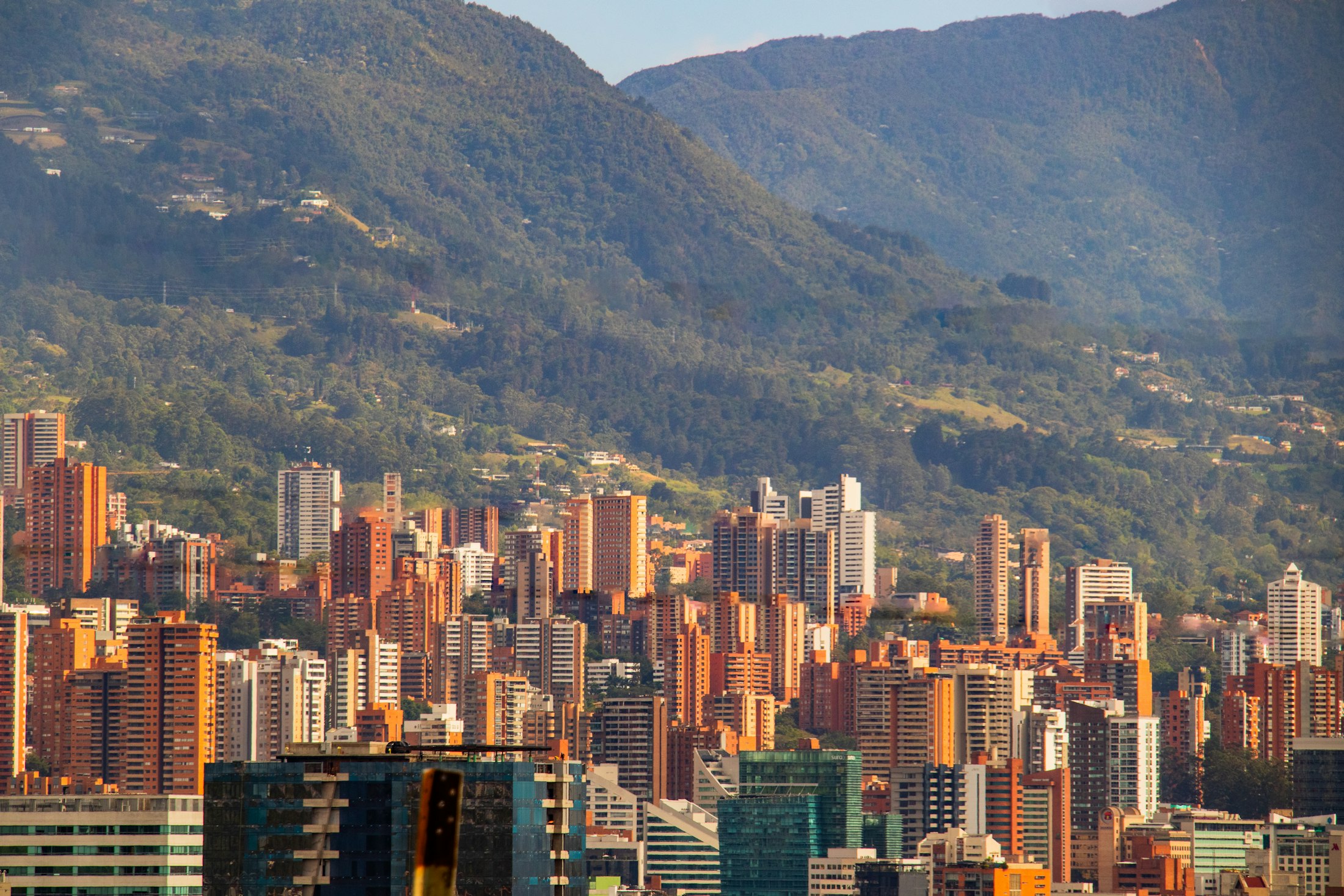
The rain started at 2:15 p.m., the way it always does in Medellín between April and November — sudden, vertical, and loud enough to kill a conversation. I was standing on Calle 10 in La Floresta with an arepa de chócolo going cold in my hand, watching the street vendors do something I didn't expect. Nobody packed up.
La Floresta doesn't get the foot traffic of Laureles or the hype of Provenza. That's the point. It's a residential barrio southwest of the centro, mostly three-story apartment buildings with laundry on the balconies, and a concentration of street food carts that operate on a schedule dictated entirely by rain and hunger. The cachapa vendors in particular — Venezuelans who've set up along Carrera 72 and the surrounding blocks — treat a downpour the way a short-order cook treats a lunch rush. They just move faster.
1. Getting there, and when not to bother
La Floresta sits about a 12-minute cab ride from Poblado if traffic cooperates, which it won't on Friday afternoons. From the Estadio metro station, it's a 10-minute walk south along Carrera 70. That walk is flat, which matters more than you'd think in a city built on slopes.
Don't come before 11 a.m. The carts aren't out. The bakeries are, but the street food that makes this neighborhood worth the trip doesn't materialize until late morning, and the best window is roughly 1 p.m. to 6 p.m. on weekdays. Weekends are quieter — some vendors take Sundays off entirely.
Skip Parque de La Floresta if you're expecting a green space worth lingering in. It's a concrete square with a few benches and pigeons. People will tell you it's the heart of the barrio. It's a shortcut.
Pro tip: The ride-hailing apps work fine here, but drivers sometimes struggle with the one-way streets around Carrera 72. Drop a pin on the map rather than typing an address.
2. The cachapa cart on Carrera 72 that doesn't have a name
Most of the cachapa vendors in La Floresta are Venezuelan, part of the massive migration that reshaped Medellín's street food scene starting around 2017. The cart I keep going back to sits on Carrera 72 between Calles 9 and 10, operated by a woman named Yuliana who props a yellow umbrella over her griddle when it rains. No signage.
Her cachapas — thick corn pancakes made from fresh ground maize, folded around queso de mano — cost 10,000 COP. That's roughly $2.50 USD as of early 2024. They come off the plancha with scorched edges and a center that's almost custardy. I've had cachapas in Caracas and in Doral, Florida, and Yuliana's are better than both. That's not nostalgia talking. The corn here is different — sweeter, denser — and she doesn't rush the griddle.
She's usually there by 1 p.m. and gone by 5.
3. Panadería La Reina and the case for almojábanas at 3 p.m.
Panadería La Reina on Calle 10 No. 71-32 has been open since at least the early 2000s, depending on who you ask. Counter-service bakery, fluorescent lighting, a glass case full of pan de bono, buñuelos, and almojábanas — those dense, sour cheese rolls made with cuajada that most people eat at breakfast and then forget about.
I think almojábanas are better in the afternoon. Controversial opinion in a country that treats them as morning food, but hear me out: by 3 p.m. the batch is a couple hours old, the exterior has firmed up, and the inside has gone from gluey to something closer to a proper crumb. You get more chew. Pair it with a tinto from the same counter — 1,500 COP — and you've got a snack that costs less than a dollar total.
The buñuelos are fine. Not the reason to walk in.
Pro tip:Ask for your almojábana "bien dorada" — they'll pull from the darker ones at the back of the tray.
Stay in Medellín
Top-rated hotels near Medellín
Best locations · Verified reviews · Free cancellation
View deals
Expedia →4. What happens to the street when the rain actually hits
Medellín's afternoon rains last 40 minutes to two hours. La Floresta floods at the intersections but drains fast. The vendors who stay out — and most do — shift their carts under eaves or unfold tarps rigged to parking signs with bungee cords. Regulars know to keep eating.
Last time I was there in October, a pepito vendor on Calle 9 handed me a sandwich wrapped in a plastic bag and told me to stand under his tarp. The pepito — a Colombian sub loaded with shredded beef, pink sauce, crushed potato chips, and a fried egg — cost 12,000 COP. We ate standing up, watching a gutter river carry a flip-flop down the street.
5. Empanadas from the blue cart, and the ones to avoid
There's a blue cart near the corner of Carrera 72 and Calle 8A that does empanadas with a crust fried so hard it cracks when you bite it. Inside: seasoned ground beef with potato and a hit of cumin. Two empanadas and an ají cup run 5,000 COP. The ají is the kind with cilantro and green onion blended rough — not the watery orange stuff.
Avoid the empanada cart closer to the park. You can spot it by the laminated menu taped to the side. The filling tastes reheated, the crust is soggy, and they charge 3,500 per empanada, which is high for what you're getting. The blue cart outsells them three to one on any given afternoon.
Pro tip: Empanadas here are best between 2 and 4 p.m., when the oil is hot and the turnover is fast. Late in the day, the oil gets dark and the crust picks up a bitter taste.
6. One beer before the walk back
Tienda Don Julio on Carrera 71 sells Pilsen and Club Colombia out of a chest cooler for 3,500 COP a bottle. Two plastic chairs outside and a ledge that works as a third seat. No menu, no cocktails, no Wi-Fi password posted on the wall.
The right place to sit after three hours of eating off carts in variable weather. The owner, an older guy named — predictably — Julio, keeps the radio on Olímpica Stereo and doesn't try to upsell you on anything. You drink your beer, watch the street dry off, and eventually walk north to the metro.
Stay in Medellín
Top-rated hotels near Medellín
Best locations · Verified reviews · Free cancellation
View deals
Expedia →Essential tips
Medellín's rainy season runs roughly April through November, with daily afternoon showers peaking in October. Bring a lightweight rain jacket — umbrellas are useless when the wind picks up on cross streets.
Most La Floresta street vendors are cash only. The nearest Bancolombia ATM is on Carrera 70 near the Estadio metro station. Withdraw in multiples of 10,000 COP — vendors rarely have change for 50,000 or 100,000 notes.
Wear shoes with grip. The sidewalks along Carrera 72 are tiled, and they get slick in the rain. Flip-flops are a bad idea here even when it's dry — the curbs are uneven.
If you're navigating by Google Maps, search for 'La Floresta, Medellín' — not just 'La Floresta,' which will try to send you to a neighborhood in Quito, Ecuador.
Ready to visit Medellín?
Book your hotel, flights, and activities through our Expedia-powered search.


