In This Guide
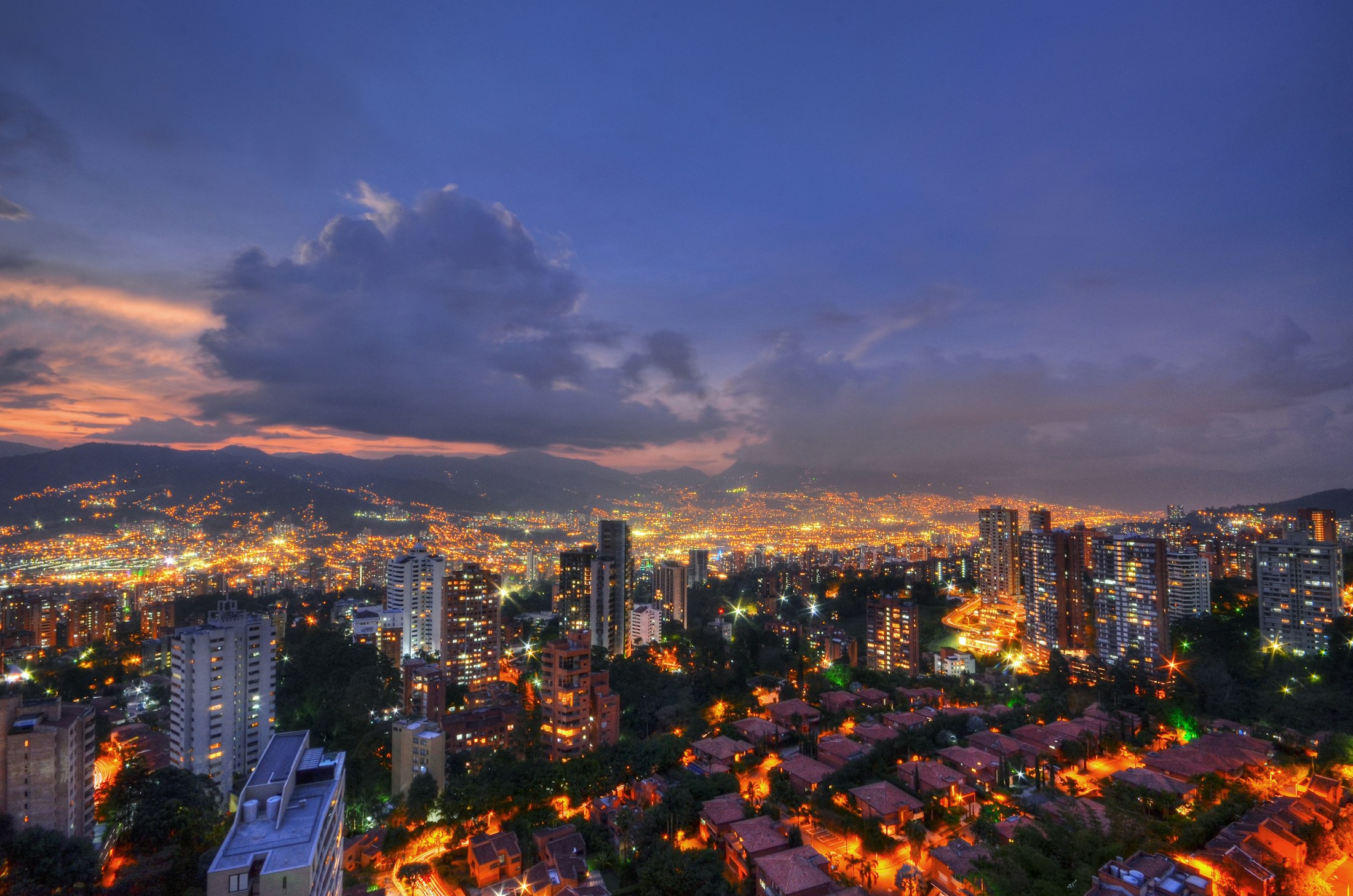
Rain hit Floresta at 2:47 p.m. on a Tuesday, because that's what rain does in Medellín — it arrives mid-afternoon like it has somewhere to be. Within ten minutes the gutters along Calle 44 were running fast, the arepas lady on the corner had pulled a blue tarp over her cart, and the salsa bars that nobody writes about were just starting to wake up.
Floresta sits northwest of Laureles, one metro stop past Estadio, and most tourists blow right through it on their way to Parque de los Deseos or back to Poblado. That's fine by me. The neighborhood runs on its own clock — fruit vendors in the morning, school kids at noon, music after dark. The rain just accelerates the timeline.
1. Getting there and not getting lost
Take Metro Line A to Floresta station. The ride from Parque Berrío takes about twelve minutes and costs 2,950 COP. When you step off the platform, go left — not right toward the Carulla supermarket, which leads you into a residential grid that all looks the same in the rain.
The neighborhood's loose center sits around the intersection of Carrera 80 and Calle 44, maybe a seven-minute walk from the station. If you're coming from Laureles by cab, expect to pay around 8,000–10,000 COP, though drivers sometimes try to round up for gringos. Just confirm the meter is running before you close the door.
Pro tip: Afternoon downpours typically last 30–60 minutes between March and November. Carry a compact umbrella or wait it out under the awning at the station — the rain stops faster than you think.
2. Son Havana and the bars that don't need a sign
Son Havana on Calle 44 #80-31 opens Thursday through Saturday around 8 p.m., though nothing really happens before 10. The cover is 10,000 COP on weekends, sometimes free on Thursdays if the crowd is thin. Inside it smells like aguardiente and floor wax, and the speakers are too loud in the best possible way.
Most Medellín salsa guides will send you to Son Havana's bigger competitors in Laureles. I think that's wrong. The dancers here are better. Not showier — better. I watched a couple in their sixties work through a Héctor Lavoe set without ever looking at their feet, and the floor was wet from people tracking in rain.
Two blocks south there's a place with no sign, just a green door and bass you can feel from the sidewalk. I've been told it's called La Esquina del Son but nobody I asked inside confirmed that. It opens late, closes later.
3. Where to eat when the rain traps you
Restaurante Doña Luz sits on Carrera 80 near Calle 46. The almuerzo ejecutivo runs 14,000–16,000 COP and comes with soup, a main plate, rice, a small salad, and juice. The bandeja paisa is enormous and costs 22,000 COP. I ate there on a Thursday and the sopa de frijoles had chunks of pork rib floating in it that were falling apart.
Skip the empanada stands right outside the metro station. They're overpriced at 3,500 COP each and the filling tastes like it's been sitting since morning. Walk three blocks to the cart near the Éxito Express on Calle 44 — the lady there fries them to order for 2,000 COP and adds a squeeze of lime without asking.
For coffee, Café Revolución on Carrera 81 pulls a decent espresso for 3,500 COP. They have maybe six tables. The pastry case is unreliable — sometimes there's buñuelos, sometimes it's empty by 3 p.m.
Pro tip: Lunch spots fill up fast between 12:00 and 1:00 p.m. Arrive at 11:45 or wait until 1:30. The food is the same either way.

Stay in Medellín
Top-rated hotels near Medellín
Best locations · Verified reviews · Free cancellation
View deals
Expedia →4. The park nobody photographs
Parque de Floresta is a rectangle of concrete and old ficus trees between Carreras 80 and 81. After the rain lifts, old men drag plastic chairs back outside and resume domino games like nothing happened. There's a worn concrete chess table near the north end that's always occupied by late afternoon.
Last time I was there in October, a kid was selling mango biche with salt and lime out of a styrofoam cooler for 3,000 COP. Best thing I ate all day.
This park does not photograph well. The light is flat, the benches are cracked, and there's no mural wall or pastel staircase to pose against. But it's the actual center of the neighborhood, the place where people sit and talk and eat and argue about Atlético Nacional, and it does that job without trying to impress anyone.
5. What the weather actually does here
I get irritated by neighborhood guides that don't mention weather, so here's what happens. Medellín's rainy seasons run roughly April–May and September–November. Floresta, being on the west side of the valley, catches afternoon storms that roll in off the ridge. Mornings are usually dry and warm — 24–27°C — and then around 2 or 3 p.m. the sky turns grey-green and dumps.
The streets flood briefly. Not dangerously, but enough to soak your shoes if you're in canvas sneakers. Locals barely flinch. Within an hour the sky clears and the evening light goes gold, and the temperature drops to something bearable.
Dry season — December through February — makes the neighborhood hotter and dustier but the salsa bars stay the same.
Pro tip: Wear shoes that can handle wet pavement. Leather sandals and white sneakers are both bad ideas. I learned this the stupid way.
6. Vinyl and corner stores after dark
There's a vinyl shop on Calle 45 between Carreras 80 and 81 — I never caught the name, but the storefront is painted orange and there's a handwritten sign that says "LP - CD - CASSETTE." The owner stocks deep salsa cuts, cumbia reissues, and a surprising amount of Fania Records pressings. Prices range from 15,000 to 60,000 COP depending on condition. He's open evenings, roughly 5–9 p.m., and closed Mondays.
The tiendas along Carrera 80 stay open late and sell Aguila and Pilsen for around 3,500 COP a bottle. People stand outside drinking and talking. Nobody's checking their phone.
After about 11 p.m. on weekends, the block between Calle 44 and Calle 45 fills with sound — salsa from one doorway, reggaeton from another, someone's car stereo playing vallenato. Loud, overlapping, not curated at all.
Pro tip:If you're buying vinyl, bring cash. None of the small shops here take card.
Stay in Medellín
Top-rated hotels near Medellín
Best locations · Verified reviews · Free cancellation
View deals
Expedia →7. When to go and when to stay away
Weekday afternoons are dead in a good way — you can walk the whole neighborhood in forty-five minutes and eat without waiting. Thursday nights are the sweet spot for salsa if you don't want a packed room.
Friday and Saturday nights after 11 p.m. bring crowds, but not tourist crowds. These are Medellín locals coming from other neighborhoods. If loud bars and cigarette smoke bother you, stick to Thursday.
Sunday mornings the park is quiet, the bakeries are open, and the streets smell like rain-washed concrete and coffee.
Essential tips
Pack a light rain jacket or compact umbrella if visiting March–November. Afternoon storms hit Floresta's west-valley position hard and fast, usually between 2–4 p.m.
Carry cash in denominations of 10,000 and 20,000 COP. Most bars, tiendas, and street vendors in Floresta don't accept card, and the nearest reliable ATM is inside the Éxito Express on Calle 44.
Metro Floresta station is on Line A. Last train toward Niquia leaves around 11 p.m. — if you're staying for late salsa, budget 12,000–15,000 COP for a cab back to Poblado via the Uber or InDriver app.
Streets flood ankle-deep during heavy rain. Wear closed-toe shoes with rubber soles. The sidewalks on Carrera 80 are uneven and slick when wet.
Ready to visit Medellín?
Book your hotel, flights, and activities through our Expedia-powered search.


