In This Guide
- 1.Getting there and when to go
- 2.The porches nobody talks about
- 3.Where to eat without a reservation
- 4.Lulo juice and the fruit vendors of Circular 73B
- 5.The rain as event
- 6.Coffee that isn't trying too hard
- 7.The iglesia and the small park
- 8.What's within walking distance (and what isn't)
- 9.Who this neighborhood is actually for
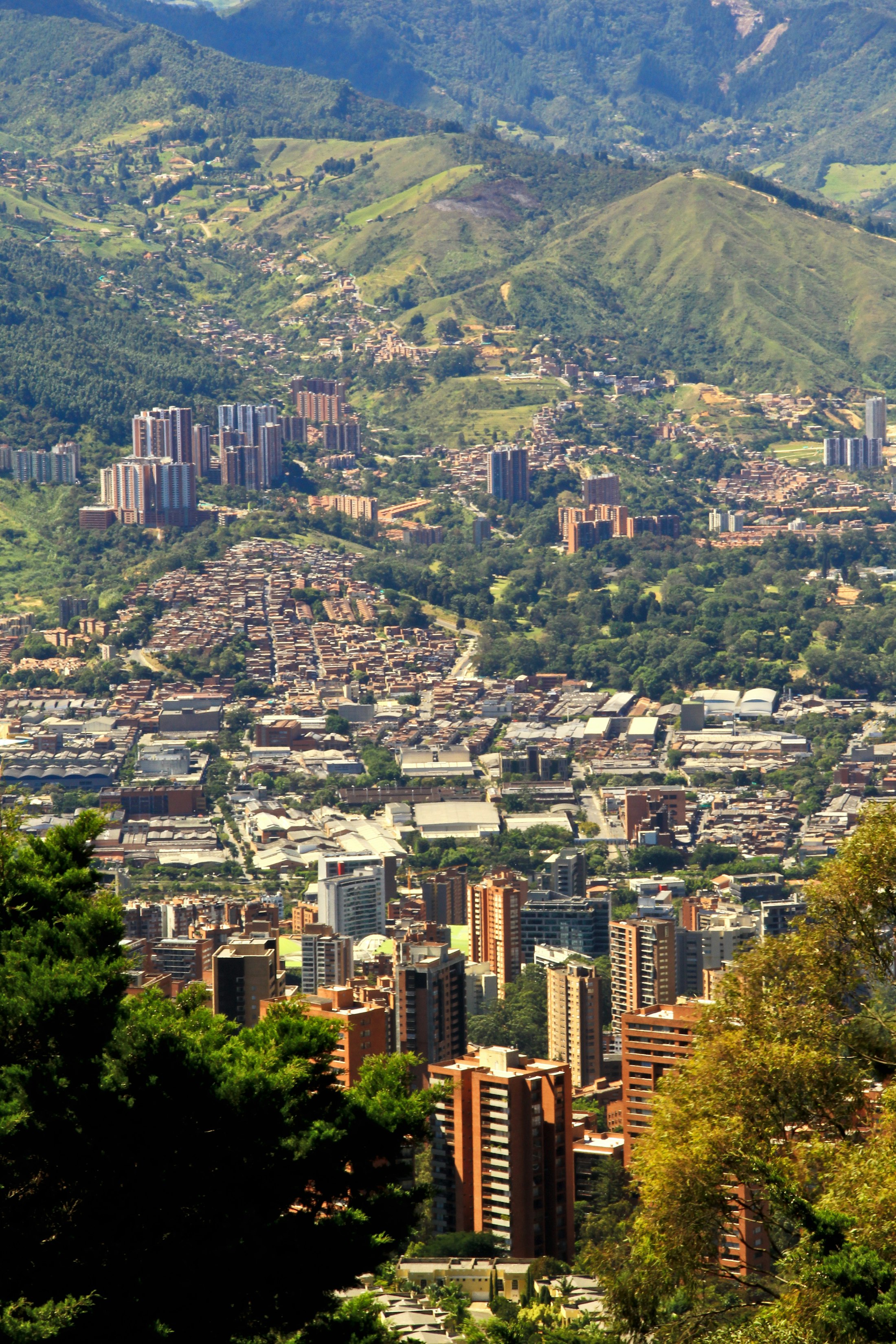
The rain showed up at 2:47 on a Tuesday, same as it does most afternoons in Medellín's La Floresta. Not a drizzle — a proper aguacero that turns the gutters into streams and sends everyone under the nearest Art Nouveau porch overhang. I stood there with a cup of lulo juice going warm in my hand, watching two old guys in plastic chairs do absolutely nothing about getting wet, and I thought: this is the neighborhood.
La Floresta sits in the northeast wedge of the city between Laureles and Estadio, about a 12-minute taxi ride from El Poblado if traffic cooperates (it won't on Friday evenings — budget 30 minutes). It's residential in the way that actually means residential: people live here, hang laundry on second-floor rails, argue about fútbol at corner tiendas. The tourist infrastructure is thin, and that's the point.
1. Getting there and when to go
Metro station Floresta on Line A drops you at the neighborhood's southern edge. From there it's a flat ten-minute walk north along Carrera 80 to hit the core around Circular 73B. If you're coming from El Poblado, a taxi should run 12,000–15,000 COP; Uber tends to be slightly cheaper.
Dry mornings happen roughly from 7 a.m. to 1 p.m. most of the year. The aguacero — that daily downpour — rolls in between 2 and 4 p.m. from about April through November, sometimes earlier. Bring a light rain shell or just accept that you'll get wet. The rain usually quits by 5:30, and the evening air afterward is the best weather Medellín offers: cool, scrubbed clean, mid-60s Fahrenheit.
Saturday mornings bring a small farmers' market near the iglesia, worth catching if you're already in the area but not worth a special trip.
Pro tip:The Floresta metro station has no covered walkway to the street. If it's raining when you arrive, duck into the pharmacy on the corner of Carrera 80 and wait it out — they don't mind.
2. The porches nobody talks about
La Floresta's residential streets between Circulars 73 and 76 have some of the best-preserved early-twentieth-century facades in the city. I'm not talking about museum-grade restoration — more like families who never bothered to tear down grandma's ironwork railings or tile her porch over with cement. You'll see curved lintels, geometric tile floors in green and ochre, wrought-iron window guards with floral patterns that date to the 1920s and 30s.
Most architecture guides to Medellín send you to El Prado or Prado Centro. El Prado has bigger mansions, sure. But half of them are behind walls or converted into offices. In La Floresta, the details are right there at sidewalk level, six feet from your face.
Walk Calle 45 between Carreras 79 and 82 slowly. That one stretch has more intact Art Nouveau porch details than entire blocks in Prado.
3. Where to eat without a reservation
Restaurante Hato Viejo on Circular 73B near Carrera 80A does a bandeja paisa that will ruin you for airport versions forever. The beans are cooked until they're almost a paste, which is correct. A full bandeja runs about 32,000 COP. Go before noon on weekdays; by 12:30 the construction crews from the avenue fill every table.
For something lighter, Café Revolución at Carrera 80 #45-12 makes a solid almuerzo ejecutivo — soup, main, juice, and rice — for around 16,000 COP. The lulo juice here is fresh-squeezed, tart enough to make your eyes water. Ask for it without sugar. They'll look at you funny but they'll do it.
Skip Burgers Lab on the south end. I know it has good Google reviews. It's overpriced for what amounts to a decent but unremarkable smash burger, and the wait times on weekend nights stretch past 40 minutes. You can do better at the grill carts near the Floresta metro entrance for 8,000 COP.
Pro tip:At Hato Viejo, the chicharrón comes default with the bandeja. If you want it extra-crispy, ask for it "bien tostadito" — they'll throw it back on the plancha.
Stay in Medellín
Top-rated hotels near Medellín
Best locations · Verified reviews · Free cancellation
View deals
Expedia →4. Lulo juice and the fruit vendors of Circular 73B
Three fruit carts park along Circular 73B most mornings between 8 and 11 a.m. The one closest to the church — run by a woman named Doña Clara, or so I was told by two separate regulars — squeezes lulo, maracuyá, and guanábana to order. A large juice costs 4,000 COP. The lulo is the move.
Lulo tastes like someone crossed a lime with a tomato and then made it electric. Sour, fragrant, and it doesn't exist in most of the world outside the Andes. If y'all have only had it from a carton in a hotel breakfast buffet, the fresh version is a different fruit entirely.
Pro tip: Lulo oxidizes fast. Drink it within ten minutes of it being blended or it goes flat and brown.
5. The rain as event
Last time I was in La Floresta in October, the aguacero hit so hard the street in front of the iglesia flooded ankle-deep in under fifteen minutes. Nobody panicked. A guy selling empanadas just moved his cart under a balcony and kept frying.
There's a culture around the afternoon rain here that I haven't seen in other Medellín neighborhoods. People expect it. Shops have awnings sized for loitering. The tienda on the corner of Circular 74 and Carrera 80 keeps a stack of plastic stools outside specifically so people can sit and watch the water come down. The owner charges nothing for the seat but you're expected to buy something — a Colombiana soda, a bag of chips, a beer. Fair deal.
6. Coffee that isn't trying too hard
The third-wave coffee scene in El Poblado is fine if you want to pay 14,000 COP for a pourover and listen to someone explain tasting notes. I don't, usually. In La Floresta, coffee is still mostly tinto — small, black, strong, served in a plastic cup for 1,500–2,000 COP at any tienda or bakery.
If you do want something more curated, Pergamino has a location at Carrera 81 #32E-70 in nearby Laureles, a 15-minute walk southwest from La Floresta's center. Their cold brew is good. But honestly, the tinto from the bakery on Calle 44 near Carrera 80 — I never caught the name, it has a yellow awning — is what I kept going back to. It costs 1,800 COP and tastes like coffee is supposed to taste.
Pro tip:Tinto is served pre-sweetened by default almost everywhere. Say "sin azúcar" when you order if you want it black.
Stay in Medellín
Top-rated hotels near Medellín
Best locations · Verified reviews · Free cancellation
View deals
Expedia →7. The iglesia and the small park
Iglesia de Nuestra Señora del Sagrado Corazón anchors the neighborhood center. A modest brick church, not a cathedral — no stained glass worth crossing the city for, no dramatic bell tower. What it does have is a small park in front with mature trees, concrete benches, and enough foot traffic to feel alive without feeling crowded.
Mornings here are good for sitting. People walk dogs, kids run around before school, retirees read El Colombiano. By afternoon the rain clears the park and it refills around 5:30 p.m. with a different crowd — younger, louder, buying snacks from the carts that reappear once the pavement dries.
8. What's within walking distance (and what isn't)
Estadio Atanasio Girardot is about a 20-minute walk south — worth it if there's a match on, irrelevant otherwise. The Laureles bar scene along Carrera 70 is reachable in 25 minutes on foot or a 7,000 COP taxi.
The Botanical Garden and Parque Explora are northeast, roughly 35 minutes walking or a 10,000 COP ride. Doable as a day trip from La Floresta but not next door.
Don't try to walk to El Poblado. It's across the river and takes over an hour through unpleasant traffic corridors. Take the metro from Floresta station to Poblado station — about 20 minutes, 2,950 COP per ride.
Pro tip:If you're heading to the Botanical Garden, get off at Universidad station instead of walking — it drops you right at the entrance.
9. Who this neighborhood is actually for
La Floresta rewards a slow pace. If you need nightlife, international restaurants, or English-speaking staff at every counter, you'll be frustrated. This is a neighborhood where the main activity is walking around, eating well for cheap, and watching weather happen.
I think it's the best base in Medellín for anyone staying longer than five days. Controversial opinion in a city where every travel blog points you to Laureles or El Poblado. But the rent is lower, the food is cheaper, and the noise level after 10 p.m. drops to near zero. I slept better here than anywhere else in the city.
A neighborhood where people sit on porches and wait for rain. That's it.
Essential tips
Pack a packable rain jacket, not an umbrella. The afternoon wind during the aguacero will invert a cheap umbrella in seconds. A shell you can stuff in a daypack is more practical.
Most tiendas and fruit carts in La Floresta are cash-only. Carry bills under 20,000 COP — vendors often can't break a 50,000 note early in the day.
Load a Cívica card at any metro station kiosk to avoid buying individual tickets. The card costs 5,000 COP and each ride is 2,950 COP. It works on the metro, metrocable, and feeder buses.
Cell signal on Claro and Tigo is solid throughout La Floresta. If you need to make calls or use maps, a prepaid SIM from either carrier (available at the Éxito on Carrera 80) costs around 10,000 COP for 3 GB of data.
Ready to visit Medellín?
Book your hotel, flights, and activities through our Expedia-powered search.