In This Guide
- 1.What a caseta actually is (and isn't)
- 2.Barrio Castilla: the caseta that sets the standard
- 3.Skip the caseta at Parque de los Deseos
- 4.The aguardiente economy
- 5.What's actually playing at 3 a.m.
- 6.Getting there and getting back at 4 a.m.
- 7.Eating at the edges
- 8.A note on safety, without the hand-wringing
The last float rounds the corner of Calle San Juan sometime around eleven, trailing a confetti of crushed flower petals and the smell of diesel. Crowds thin. The official Feria de las Flores programming wraps up, the TV crews pack their cables, and Medellín does the thing it does better than almost any city I've reported from in Latin America: it pivots to the unofficial version.
What happens after midnight at the neighbourhood casetas — those temporary open-air party structures bolted together from steel frames and tarpaulin — is the actual feria for most paisas. Not the silletero parade, not the orchid expo, not the cabalgata. The casetas. They go up in barrio after barrio every August, and they run until four, five, sometimes six in the morning. If you only saw the daytime programming, you attended a press conference for a party that started without you.
1. What a caseta actually is (and isn't)
A caseta is not a nightclub. It's not a festival tent in the European sense either. Think of it as a neighbourhood's living room dragged outdoors: a raised stage, a corrugated roof, plastic chairs stacked against the perimeter, and a sound system that could rattle teeth two blocks away. The floor is usually bare concrete or packed earth.
Each barrio's junta de acción comunal — the neighbourhood council — organises its own caseta. Some charge a cover of 10,000 to 20,000 COP. Others are free and fund themselves entirely through aguardiente sales. The lineup is almost always live: vallenato conjuntos, salsa orquestas, sometimes a reggaetón act if the barrio skews young. Between sets, a DJ keeps the floor from emptying.
The casetas I keep returning to are the ones in comunas that rarely appear on tourist maps. Not curated for visitors. Block parties with a budget.
Pro tip:Carry cash in small bills. Most casetas don't accept cards, and the aguardiente vendors won't break a 100,000 COP note at 2 a.m.
2. Barrio Castilla: the caseta that sets the standard
Castilla, in the northwest, has been putting up one of the city's largest casetas for over two decades. It occupies a stretch of the Unidad Deportiva de Castilla and can hold a couple thousand people on a peak Saturday night. The organisers book full salsa orchestras — I've seen Grupo Niche billed there, alongside local outfits like Son de Cali.
The crowd is multigenerational. Abuelas in pressed blouses occupy the chairs closest to the speakers. Teenagers cluster near the aguardiente kiosks on the perimeter. The dancing is serious: rueda de casino circles form spontaneously, and if you don't know your setenta from your dile que no, you'll be gently redirected to the sideline.
Last August I arrived at 10 p.m., thinking I was fashionably late. The stage was still being sound-checked. The caseta didn't ignite until half past midnight.
Pro tip:The caseta typically runs the first and second weekends of August, Thursday through Sunday. Confirm dates through Castilla's junta comunal Facebook page — they post lineups a few days before.
3. Skip the caseta at Parque de los Deseos
I know it gets recommended. It's central, it's easy to reach by metro, and it feels safe for first-timers. But the Parque de los Deseos caseta during feria weeks has become an overpriced bottleneck — cover charges north of 30,000 COP, watered-down drinks, and a crowd more interested in filming Instagram stories than dancing. The sound bleeds badly in that open plaza.
Go there for the planetarium any other month. During feria, put your energy elsewhere.
4. The aguardiente economy
You cannot write about casetas without writing about aguardiente. Antioqueño, specifically — the anise-flavoured spirit that functions as both social lubricant and regional identity marker. At most casetas, a bottle of Aguardiente Antioqueño sin azúcar runs 45,000 to 55,000 COP. You buy the bottle, they hand you a stack of small plastic cups and a bucket of ice.
The protocol matters. You pour for others, never just yourself. The bottle circulates. Refusing a pour from a stranger is considered cold, not cautious. Accepting one is how conversations start.
A growing minority of caseta-goers drink Club Colombia beer or micheladas instead, but suggesting that aguardiente is optional at a caseta is like suggesting champagne is optional at a French wedding — technically true, socially illiterate.
5. What's actually playing at 3 a.m.
The music shifts as the night deepens. Early sets lean vallenato and cumbia — accordion-driven, lyric-heavy, conversational. By 1 a.m. the orchestras switch to salsa dura. By 3 a.m., if the crowd is still thick, the DJ takes over and the playlist bends toward guaracha and old-school reggaetón: Daddy Yankee circa 2004, Héctor Lavoe remixes, occasionally a champeta track that splits the dance floor between people who know what to do with their hips and people who don't.
My contrarian take: the best music at Medellín's feria isn't in the casetas at all. It's in the back-room peñas — informal gatherings in someone's garage or tienda — where a single guitarist plays música de despecho, those gut-punch ballads about heartbreak and drinking. The casetas have energy. The peñas have feeling. But you can't really find a peña unless someone brings you.
Pro tip: If you want to find live salsa specifically, look for casetas in Manrique and Aranjuez — those neighbourhoods have the deepest salsa tradition in the city.
6. Getting there and getting back at 4 a.m.
The metro stops running around 11 p.m., which means you're committed once you head out to a caseta. Taxis are the standard return vehicle. Use apps — InDriver or Didi — rather than hailing from the street at that hour. Surge pricing applies during feria weekends; expect to pay 20,000 to 35,000 COP for a ride from Castilla or Aranjuez back to El Poblado.
Staying in Laureles or Estadio puts you closer to the northwest casetas and shaves 10,000 COP off that return fare. Poblado is convenient for restaurants and daytime tours, but for feria nightlife geography, it's the wrong side of the river.
Pro tip:Set your pickup pin on a main avenue, not inside the barrio's smaller streets. Drivers won't enter unfamiliar residential blocks at 4 a.m., and you'll watch your ride cancel.
Stay in Medellín
Top-rated hotels near Medellín
Best locations · Verified reviews · Free cancellation
View deals
Expedia →7. Eating at the edges
Every caseta generates a ring of food vendors. Arepas de choclo with quesito. Chorizos split and grilled on portable charcoal setups. Empanadas at 2,000 COP each, stuffed with potato and ground beef. The best ones are never the stall closest to the entrance — that one has the highest rent and the most turnover. Walk the perimeter.
Many vendors sell salchipapas — chopped hot dogs over french fries, drowned in pink sauce and ketchup — specifically because it's the best food to eat standing up while drunk. No utensils needed. The portion costs around 8,000 COP.
Don't bother with the sit-down restaurants near the casetas trying to run a "feria special" menu. Overpriced, slow, and you'll miss the second set.
8. A note on safety, without the hand-wringing
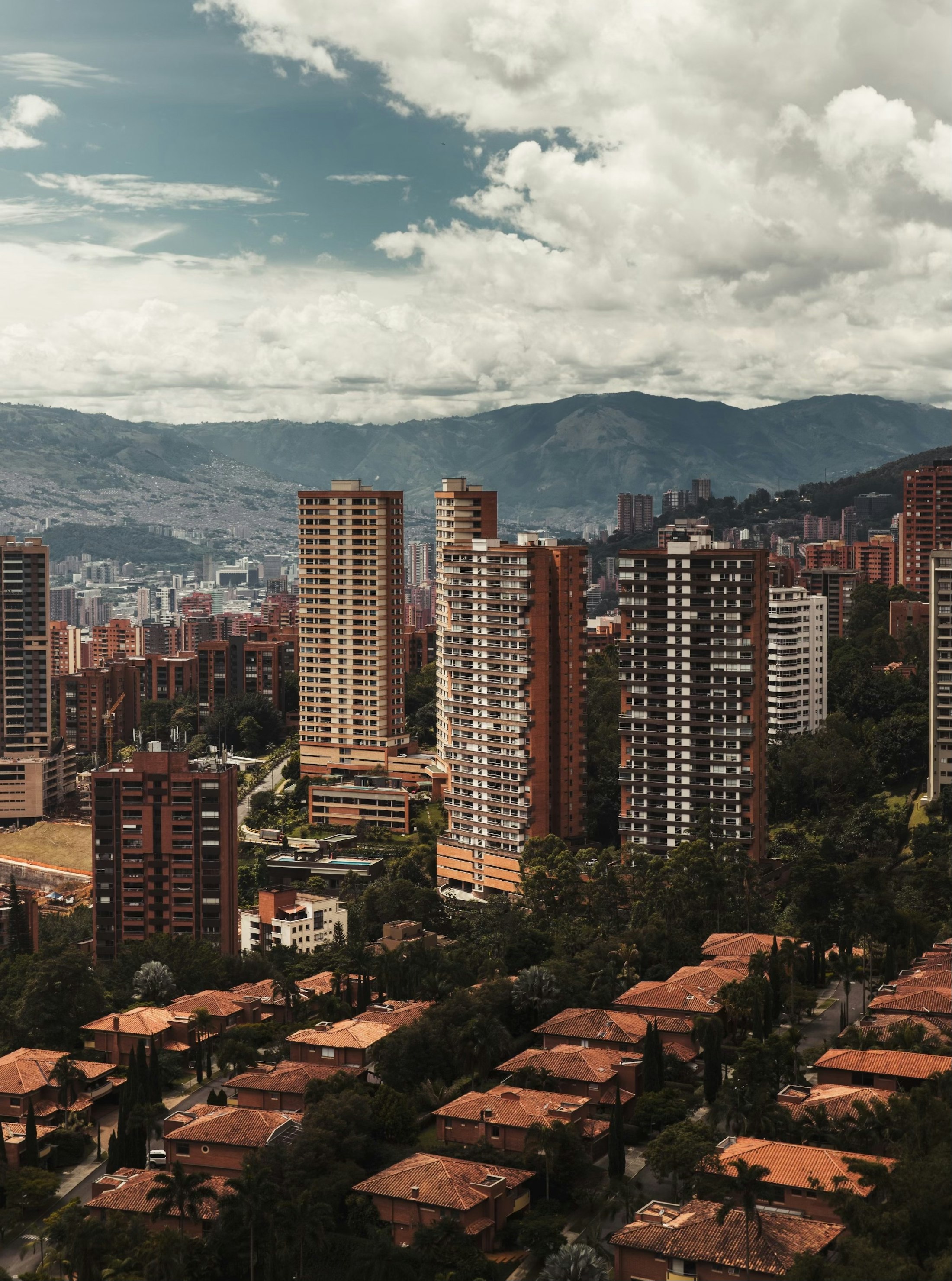
Medellín's reputation still precedes it, and some visitors approach the casetas with unnecessary anxiety. The comunas that host casetas are residential neighbourhoods full of families who live there year-round. During feria, the juntas comunales coordinate with local police for additional patrols. I've felt less unsafe at a Castilla caseta than in a packed Poblado nightclub where pickpocketing is routine.
Common sense applies. Don't flash expensive phones or cameras. Stay with a group if you're new to the barrio. If someone invites you to an afterparty at a private residence, gauge the situation the way you would anywhere — trust is earned, not assumed.
The bigger risk is acoustic. Those sound systems are industrial. Earplugs are not paranoia; they're preservation.
Pro tip: Bring foam earplugs — the orange 3M kind from any Éxito or D1 store. They cut the volume without killing the bass, and your ears will thank you on the flight home.
Stay in Medellín
Top-rated hotels near Medellín
Best locations · Verified reviews · Free cancellation
View deals
Expedia →Essential tips
Feria de las Flores runs late July to early August (dates shift yearly). The casetas are most active on the first two weekends, Thursday through Sunday, from roughly midnight to 5 a.m.
Budget 60,000–80,000 COP per person for a full night: cover (if any), one bottle of aguardiente to share, food from perimeter vendors, and a ride home via InDriver.
Wear closed-toe shoes with grip. Caseta floors get slick with spilled drinks by 2 a.m., and you will be dancing on concrete, not parquet.
Download InDriver and Didi before you go out — Uber availability is inconsistent in Medellín, especially during feria surge hours.
Ready to visit Medellín?
Book your hotel, flights, and activities through our Expedia-powered search.


