In This Guide
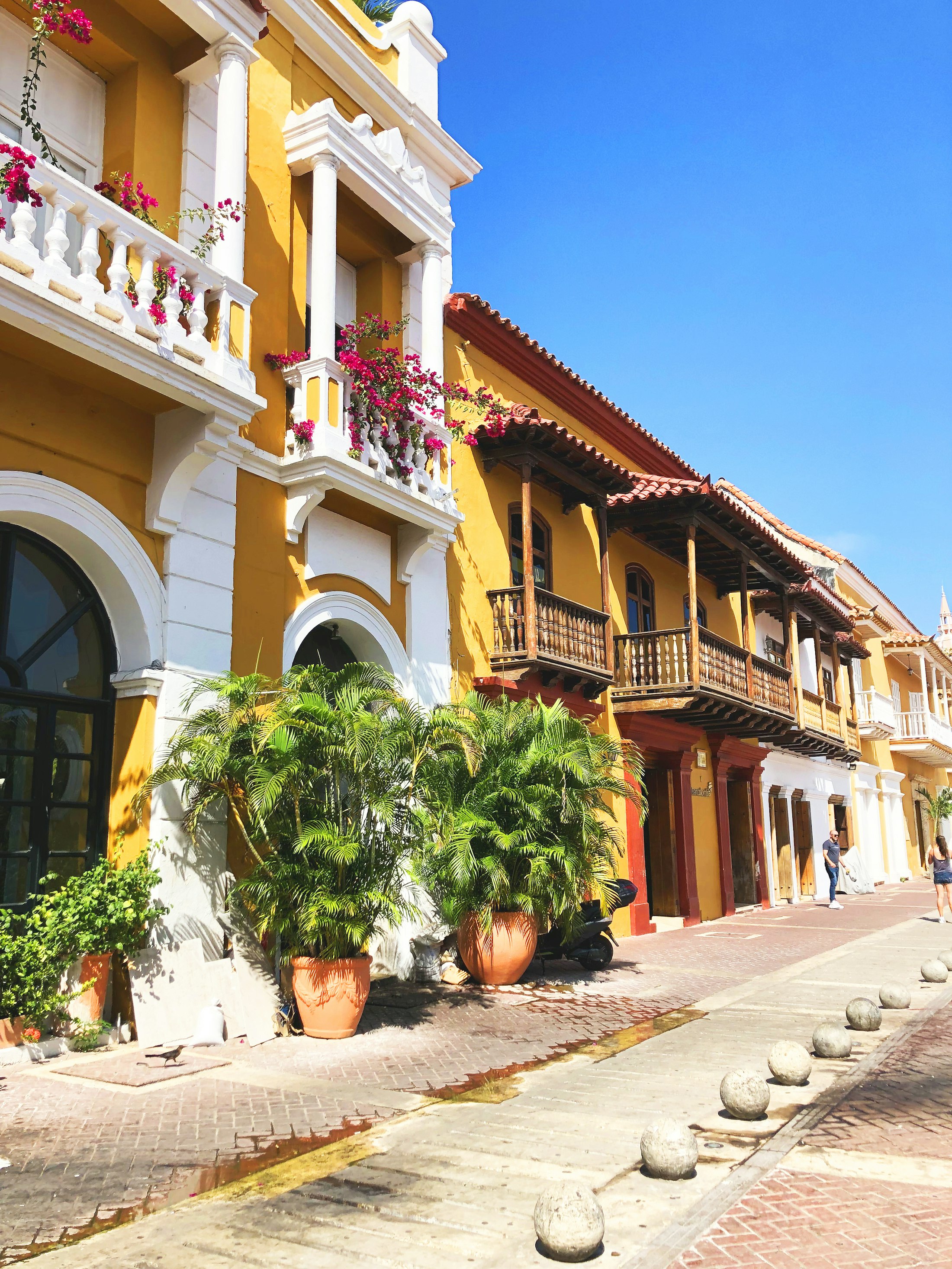
The rain hit Getsemaní at 3:47 p.m. — the kind of vertical, warm deluge that clears the plaza in ninety seconds flat. Tourists scattered under awnings on Calle de la Sierpe. A woman selling cocadas didn't move. She just flipped a tarp over her cart and kept scrolling her phone. By 4:20, the water was ankle-deep in the gutters and the air smelled like wet concrete and frying dough.
Twenty minutes later, the sky cracked open into gold light, the champeta came back on, and Getsemaní remembered what it was doing. That's the rhythm here. You don't fight the weather; you wait it out with a Poker beer and then the neighborhood restarts. If you've only seen this barrio in morning light with a walking-tour group, you've seen about a third of it.
1. Plaza de la Trinidad after 6 p.m.
Most guides send you here during the day. I'd argue that's the wrong call. Before sunset, Trinidad is a photo op — people posing with the church, guys selling overpriced hats, a few bored pigeons. The plaza earns its reputation after dark, when the domino tables appear and someone rolls a speaker the size of a mini-fridge to the south corner.
The buñuelo vendors set up around 6:30 p.m. Look for the cart closest to the church steps — the one run by a woman who shapes each ball by hand and drops it into oil that's been working all day. They're 2,000 COP each and taste like salty, cheesy clouds that have no business being that good. Pair one with a cold Club Colombia from the tienda across the street (3,500 COP for a bottle).
Skip the daytime walking tours that bottleneck here at 10 a.m. They cluster around the Botero sculpture, read from the same script, and move on. You'll learn more sitting on the steps for an hour with a beer.
Pro tip: Rain usually hits between 3 and 5 p.m. from September through November. Plan your plaza time for after the downpour — the crowd thins, the air cools, and the food carts reappear fast.
2. Where to sleep without the walled-city markup
Here's the thing about Getsemaní: it's a five-minute walk from the old walled city, and rooms cost roughly 40% less. You're not sacrificing location — you're just sleeping on the side of the wall that still has actual residents.
Hostal Casa Lola on Calle del Pozo charges around 180,000–250,000 COP per night for a private double with air conditioning, which you will need. The building is old, the courtyard is small, and the Wi-Fi works. That's enough. Hotel Casa Lola isn't the same place — don't confuse them. For something with more design ambition, Life is Good Cartagena on Callejón Ancho has a rooftop pool and rooms starting around 350,000 COP, though weekend rates creep higher.
Paid double inside the walled city my first trip. Slept worse because of the horse-carriage noise bouncing off stone walls until midnight.
Pro tip:Ask for a room facing the interior courtyard, not the street. Getsemaní's sound system — champeta, reggaeton, motorcycles — doesn't quit until 1 a.m. on weekends.
Stay in Cartagena
Top-rated hotels near Cartagena
Best locations · Verified reviews · Free cancellation
View deals
Expedia →3. The street art everyone photographs vs. the stuff worth seeing
Y'all already know about the murals. Every travel blog has the same shot of the woman's face on Calle de la Sierpe, the big jaguar piece, the colorful doorways. They're fine. Some are genuinely good. But the neighborhood has been so heavily documented that half the murals now feel like they exist to be Instagrammed rather than encountered.
The work I keep coming back to is smaller. There's a faded stencil portrait of a champeta DJ on Callejón Angosto, near the corner with Calle del Guerrero, that most people walk past. No plaque, no attribution I could find. It's peeling. It looks like it belongs there.
Also worth a slow walk: the stretch of Calle San Andrés between the Media Luna hostel corridor and the park. The walls change every few months. Some of the newer pieces deal with displacement and gentrification in Getsemaní itself — a more honest conversation than the tourist-friendly jaguars.
4. Eating late, eating cheap
Dinner in Getsemaní starts late by North American standards. Before 7:30 p.m., half the kitchens are still prepping. By 9, the sidewalk tables fill.
La Cocina de Pepina on Calle Larga serves Caribbean food that doesn't try to be anything else. The arroz con coco comes sweet and sticky. The fried fish — usually red snapper — runs about 28,000–35,000 COP for a plate with patacones and a small salad. It's not fast. Order a limonada de coco and wait.
For cheaper fuel, the empanada carts along Calle de la Sierpe sell beef and cheese empanadas for 1,500–2,000 COP apiece. I've had five in a sitting. No regrets.
A contrarian note: Café Havana gets recommended in every single guide as the place for salsa and nightlife. It's fine for a drink, but the crowd is mostly tourists performing the idea of a Cuban bar. The music is better — and louder — at the unnamed spots along Media Luna where locals actually dance. Look for the bass you can feel in your sternum.
Pro tip:If you want La Cocina de Pepina on a Friday or Saturday, show up by 7:45 p.m. or expect a wait. They don't take reservations.
5. Getting here, getting around, getting rained on
From Rafael Núñez Airport, a taxi to Getsemaní should cost 15,000–20,000 COP if you use the official stand outside arrivals. Uber and InDriver work too, usually cheaper — figure 10,000–14,000 COP depending on the hour. The drive takes about 15 minutes without traffic, closer to 30 during evening rush.
Once you're in the neighborhood, you walk. Getsemaní is roughly 12 blocks end to end. The walled city is directly north through the Torre del Reloj — a three-minute stroll. Bocagrande, the high-rise beach district, is a 12,000 COP taxi ride south, but I wouldn't bother unless you need an ATM at a specific bank.
Cartagena is hot and wet. Daytime temperatures sit around 32°C (90°F) year-round with humidity that makes it feel worse. The dry season runs roughly December through March. September and October are the wettest months. Carry a lightweight rain shell or accept that you will get soaked. The rain is warm. You'll survive.
Pro tip:Bring a dry bag or a large Ziploc for your phone and wallet. The afternoon downpours are sudden and total. Umbrellas are less useful than you'd think — the rain comes sideways.
Stay in Cartagena
Top-rated hotels near Cartagena
Best locations · Verified reviews · Free cancellation
View deals
Expedia →6. What gentrification sounds like at midnight
Getsemaní is changing fast. The hostels, the cocktail bars with exposed brick, the boutique hotels — none of this existed fifteen years ago. Some residents have been priced out. Others run the new businesses. It's complicated, and I'm not going to pretend a 1,200-word article resolves it.
What I'll say is this: the neighborhood still sounds like itself. At midnight on a Wednesday in late October, I sat on a plastic chair outside a tienda on Calle del Pozo. A champeta track was playing from a speaker wired to a car battery. Two older men argued about baseball. A dog slept under the table. No one was performing anything for anyone.
That version of Getsemaní isn't on a mural. It doesn't have a TripAdvisor listing. But it's the reason I keep coming back, and it's the thing most at risk of disappearing.
Essential tips
Carry cash in small bills. Many street vendors, tiendas, and empanada carts in Getsemaní don't take cards. ATMs inside the walled city (Bancolombia on Calle Santos de Piedra) are more reliable than the ones in Bocagrande.
Afternoon rain from September through November is nearly guaranteed. Plan indoor activities (eating, napping, drinking) for 3–5 p.m. and save walking for after 5:30.
If you're noise-sensitive, avoid booking accommodation on Calle de la Media Luna or directly on Plaza de la Trinidad. Both have bass-heavy nightlife until 1–2 a.m. on Fridays and Saturdays.
Negotiate taxi fares before getting in — meters aren't standard in Cartagena. Or use InDriver, where you set the price and the driver accepts or counters. It keeps things transparent.
Ready to visit Cartagena?
Book your hotel, flights, and activities through our Expedia-powered search.


