In This Guide
The back trail out of Wadi Farasa starts where most tourists turn around. By mid-September, the summer package groups have thinned to nothing, and the Nabataean rock faces hold heat like kiln walls well past 5 p.m. I walked it last September with a daypack and a liter of water I'd regret not doubling, past the Garden Triclinium and up a goat track that the Bdoul Bedouin still use to reach their cook fires above the basin.
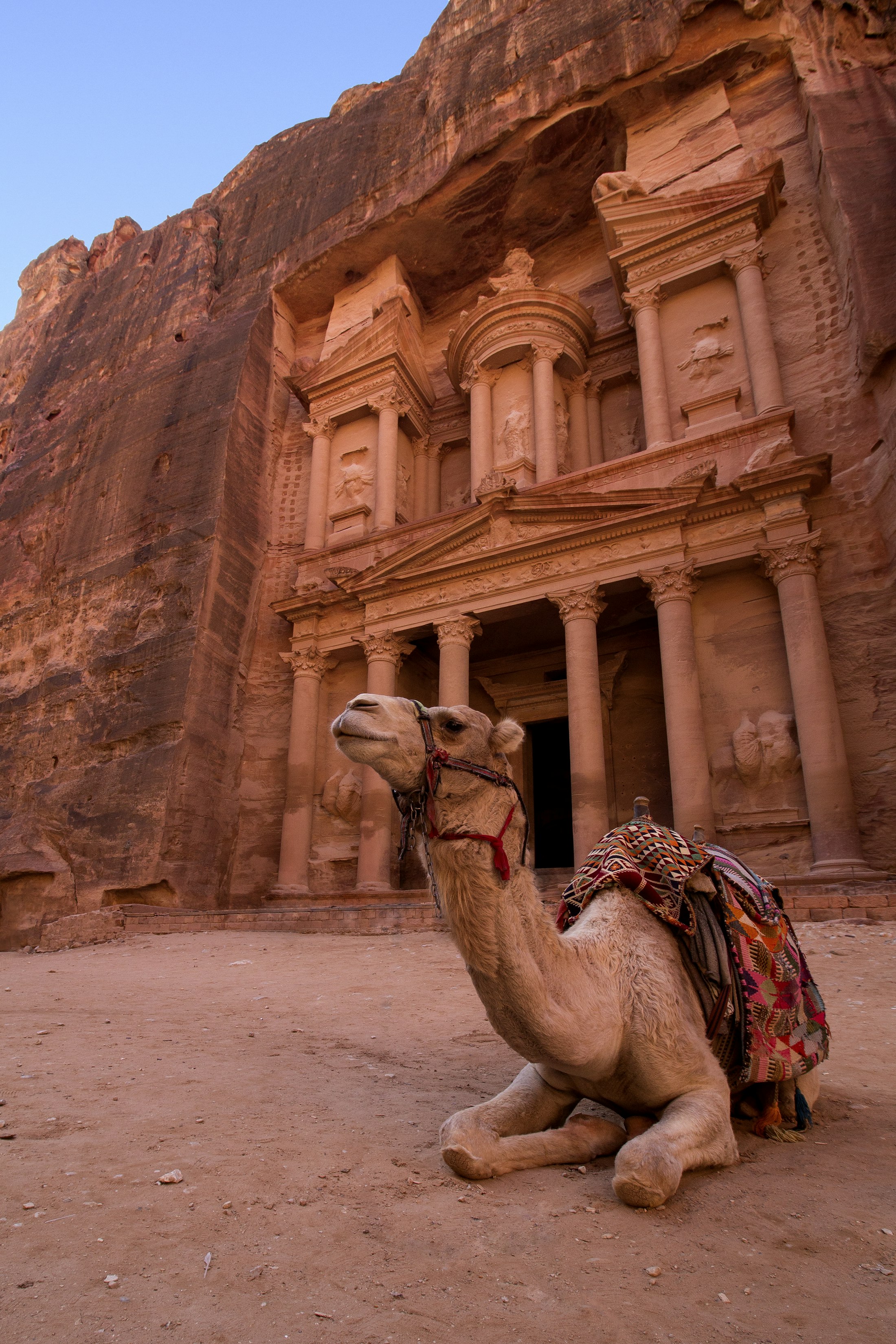
Petra in September is not the Petra of the brochures. The Treasury is still there, obviously, but the silence in the side canyons is physical — a pressure against your ears. The few visitors you pass nod like conspirators. The Bdoul families who were relocated from the caves in 1985 still cook in the hills around the site, and in the low season, they have time to feed you properly.
1. Why September, specifically
Jordan's high season runs roughly from March through May and again in October and November. September sits in a dead pocket — too hot for most European tour operators to schedule, too early for the North American autumn-break crowd. Daily visitor numbers at the Petra Archaeological Park drop below 800 on weekdays, compared to 3,000-plus in April.
The heat is real. Midday temperatures push past 35°C, and the sandstone radiates it back at you from every surface. But by 4 p.m. the wadi floors start to cool, and by 6 p.m. you can sit outside without squinting. The Bdoul cooks I've spoken to say September is when they actually enjoy having guests — they aren't managing crowd logistics, they're just cooking.
A Petra Jordan Pass costs 50 JD for a single-day entry (about $70 USD) and includes the general visa fee. Multi-day passes at 55 JD or 60 JD are the better deal if you plan to take the back trails, which you should.
Pro tip: Buy the Petra Jordan Pass online before arrival — it only works if purchased before you clear immigration. If you buy a standard visa at the airport first, you lose the bundled discount.
2. The Wadi Farasa back trail and who you'll meet on it
Most guides steer visitors down the Siq to the Treasury, then along the main colonnaded street to the Monastery. That route is spectacular and worth doing once. But the parallel trail through Wadi Farasa — starting near the High Place of Sacrifice and dropping south past the Lion Fountain and the Roman Soldier Tomb — runs almost entirely empty in September.
The path is not formally marked after the Roman Soldier Tomb. You follow stacked cairns uphill through a narrowing slot, and after about twenty minutes of climbing you reach a flat area where Marghaleh, a Bdoul woman in her sixties, has been serving tea and simple meals for years. She doesn't have a sign. She has a fire, a blackened kettle, and a view down the wadi that makes the Treasury look like a postcard somebody dropped in a canyon.
I made the mistake of arriving at noon on my first attempt and nearly turned back from the heat alone. Start by 7 a.m. or wait until 3:30 p.m.
Pro tip: Bring cash in small denominations — 1 JD and 5 JD notes. Card readers do not exist on the back trails, and breaking a 20 JD note is a hassle for the families cooking up there.
Stay in Petra
Top-rated hotels near Petra
Best locations · Verified reviews · Free cancellation
View deals
Expedia →3. Mansaf is not a lamb stew
I need to say this because every food blog seems to get it wrong: mansaf is not a stew. It is lamb cooked in jameed — a dried fermented yogurt reconstituted into a thin, sour broth — served over flatbread and rice. The sourness is the point. The dish is Bedouin in origin and ceremonial in function; you eat it with your right hand, rolling the rice into balls against the bread, and the host watches to make sure you eat enough before they sit down themselves.
The jameed is what separates a good mansaf from a hotel-restaurant performance of one. Marghaleh and the other Bdoul cooks above Wadi Farasa make their own from goat's milk, dried in cloth sacks through the summer. The flavor is sharp, almost gamy, and nothing like the mild yogurt sauce you'll get at a buffet in Amman.
Skip the mansaf at the Basin Restaurant inside the park. It's reheated, it's 15 JD, and it tastes like it was designed to not offend anyone. The whole point of the dish is that it's a little confrontational.
4. What a meal on the trail actually costs
There's no menu. You sit, you're offered tea first — always sage tea, brewed dark — and then whatever's been cooked that day. In September, that was mansaf twice and once a simpler dish of makloubeh (rice and vegetables flipped from a pot). Marghaleh asked for 7 JD per person, which included two rounds of tea and more flatbread than I could finish.
Other families along the Umm al-Biyara trail and near the Turkmaniyya Tomb cook on a similar informal basis. Prices ranged from 5 to 10 JD depending on what was prepared. Nobody quoted me a price before I ate — I asked afterward and was told a number that felt more like a suggestion than a bill.
Several of the Bdoul cooks carry phones and can arrange a meal a day in advance if you stop by the afternoon before. Ask at the Bdoul-run souvenir stalls near the Theatre.
Pro tip:If you have dietary restrictions, communicate them the day before. The cooks are accommodating but they need lead time — there's no pantry, just whatever was brought up that morning.
5. Where to sleep in Wadi Musa without losing your mind
Wadi Musa has too many hotels and not enough good ones. Most of the large properties along Tourism Street cater to bus groups and charge 80-120 JD for rooms that smell like air-freshener and industrial carpet cleaner.
The better option in September is one of the smaller guesthouses on the hill above the visitor center. Rocky Mountain Hotel, about a five-minute walk from the gate, charges around 35-45 JD for a double in low season and has a rooftop where you can eat breakfast looking directly at the Sharah mountains. The family who runs it can also connect you with Bdoul guides for the back trails.
Skip Petra by Night. The twice-weekly candlelit walk through the Siq is widely recommended, but the candles are LED now, the crowd funnels through the narrow canyon in a slow herd, and the "traditional music" performance at the Treasury felt like a theme-park interlude. Spend that 17 JD on a second day pass instead.
Stay in Petra
Top-rated hotels near Petra
Best locations · Verified reviews · Free cancellation
View deals
Expedia →6. The silence is the thing you came for
Late afternoon in the side wadis. That's when it happens.
The tour buses leave by 3 p.m. The donkey handlers rest their animals in the shade near the Basin. And the sandstone — Cambrian-era, 500 million years of compressed iron oxide giving it those reds and yellows — starts to glow as the sun drops behind Umm al-Biyara. You can hear your own breathing. You can hear a rock dislodge fifty meters away.
I sat on a ledge above the Street of Facades for forty minutes one evening and saw exactly two people: a Bdoul man leading a donkey downhill, and a French woman sketching in a notebook. Nobody spoke.
The walk back through the Siq at dusk, alone, is better than any organized night event. The walls narrow to three meters in places and the last light catches only the highest edges. Your footsteps echo off surfaces that Nabataean traders heard their own footsteps echo off twenty-two centuries ago. No candles required.
Pro tip:The park technically closes at sunset, but enforcement in September is relaxed. Don't push it past dark — the Siq floor is uneven and unlit — but lingering until the last light won't get you fined.
Essential tips
Carry at least 3 liters of water for a full day on the back trails in September. There is exactly one refill point inside the park, at the Basin Restaurant, and it's not on the Wadi Farasa route.
The trail above the Roman Soldier Tomb is loose sandstone scree. Ankle-supporting boots aren't optional — I watched someone in trail runners slide ten feet on a switchback.
The Petra Visitor Centre opens at 6 a.m. in summer. Be there at 6. By 7:30 a.m. the first tour groups hit the Siq and you lose the empty-canyon effect entirely.
Cell signal (Zain and Orange Jordan) drops to nothing in the side wadis and upper trails. Download offline maps — Maps.me has better trail coverage of Petra's back routes than Google Maps.
Ready to visit Petra?
Book your hotel, flights, and activities through our Expedia-powered search.