In This Guide
The taxi driver said "Manila" and I assumed I'd misheard him. I hadn't. He was talking about Barrio Manila in western Medellín, wedged between La América and Belén, where saddlemakers still stitch mule tack by hand and where breakfast means a bowl of caldo de costilla before most of the city has opened its eyes.
I ended up in Manila because I got lost. Last February I was trying to reach a leather shop a friend had recommended in Belén, overshot it by six blocks, and wound up on a street that smelled like tanned hide and wood smoke. That wrong turn became a full day. The neighborhood doesn't appear on the tourist circuit, and that's exactly why I went back.
1. The saddlemakers on Calle 30A
There are three talabartería workshops within two blocks of each other along Calle 30A between Carreras 84 and 86. They make saddles, bridles, machete sheaths, and the wide leather belts arrieros wore when mule trains were the only freight network in Antioquia. The craft is shrinking — most of their customers now are rural fincas and the occasional hobbyist — but the workshops stay open six days a week.
I spent an hour watching a man named Don Hernán cut panels from a cowhide with a curved blade he said was older than his marriage. A basic mule saddle runs around COP $800,000 to $1,200,000 depending on ornamentation. A machete sheath, maybe COP $35,000. He didn't try to sell me anything, which I respected.
The smell in these shops is something. Raw leather, neatsfoot oil, the faint tang of metal rivets in a coffee can. If you're sensitive to strong odors, fair warning.
Pro tip:Go in the morning, before 11 a.m. The workshops close for lunch around noon and sometimes don't reopen until 2 or 3.
2. Caldo de costilla before the sun gets mean
Caldo de costilla — beef rib broth with potato, cilantro, and a squeeze of lime — is a legitimate Antioqueño breakfast, not a novelty. In Manila, there's a no-name fonda on the corner of Calle 31 and Carrera 85 that starts serving it at 5:30 a.m. The bowl costs COP $8,000. You eat standing at a counter next to bus drivers and construction guys.
I've seen travel blogs call bandeja paisa "the essential Medellín food experience." I disagree. Bandeja paisa is fine, but it's a performance. Caldo de costilla at dawn in a fluorescent-lit fonda — that's the actual pulse of the working city.
The broth is fatty and restorative. Pair it with an arepa de maíz and a tinto and you won't need to eat again until 1 p.m.
3. Where the mule trails used to go
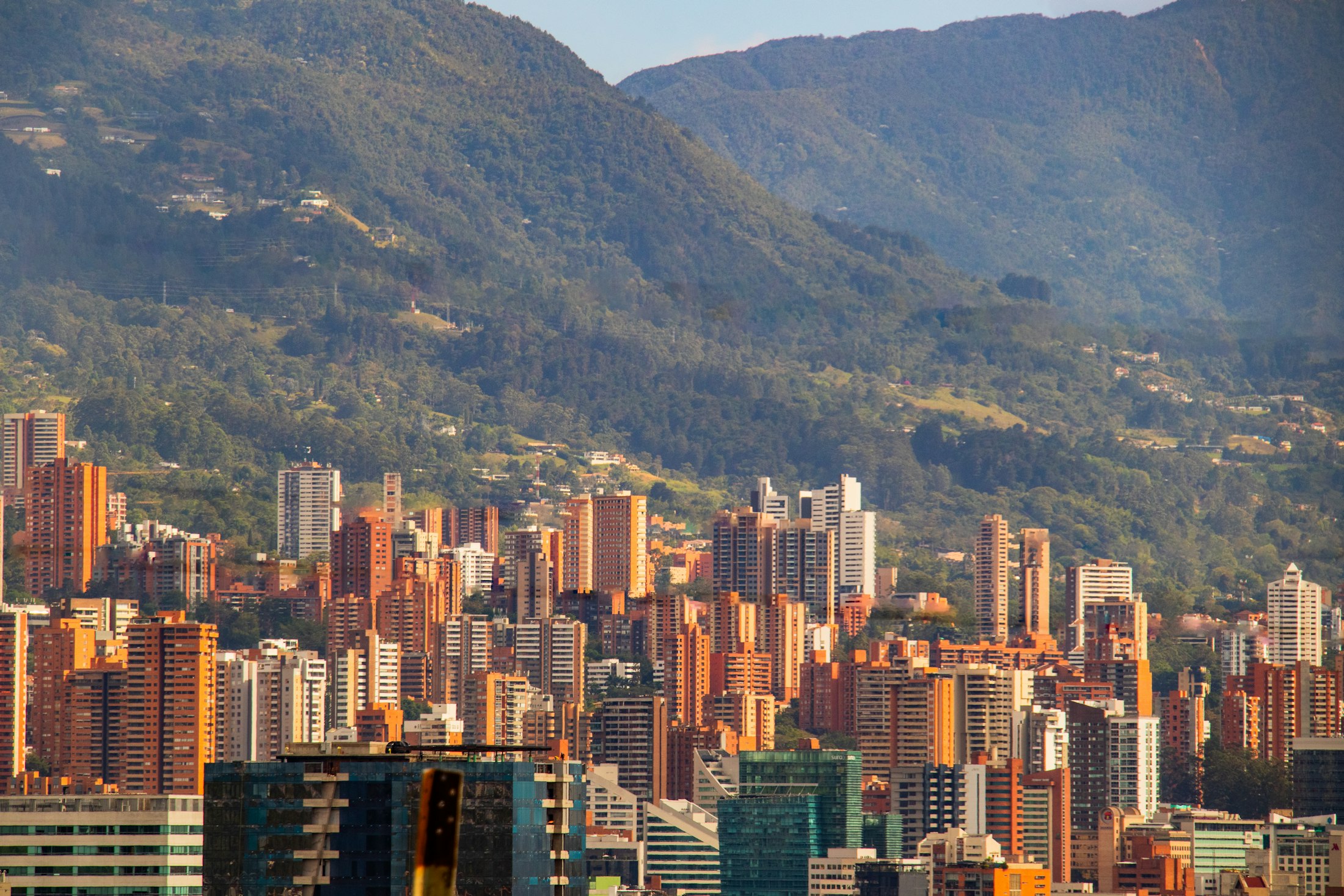
Before the Medellín Metro, before the highways, before the Túnel de Occidente, goods moved through the Aburrá Valley on mule paths called caminos de herradura. Some of those paths still exist as walking routes in the hills above Manila and neighboring Belén. The one I followed starts near the end of Carrera 87, climbs west through scrubby pasture, and after about forty minutes gives you a wide view of the valley without a single cable car in the frame.
The trail isn't marked. You'll know you're on it because the surface changes from concrete to packed red dirt and the city noise drops away fast.
Bring water. The elevation gain is modest — maybe 200 meters — but Medellín sits at roughly 1,500 meters and the sun at midday is direct. I'd recommend going before 9 a.m. or after 3 p.m. Dry season (December through March) is your best window. Rainy season afternoons mean mud and zero visibility above the tree line.
Pro tip: Wear boots or trail shoes with grip. The red clay surface gets slick even with light moisture.
Stay in Medellín
Top-rated hotels near Medellín
Best locations · Verified reviews · Free cancellation
View deals
Expedia →4. Skip the Pueblito Paisa detour
Every guide within a ten-kilometer radius of Manila will tell you to visit Pueblito Paisa on Cerro Nutibara. Don't. It's a replica Antioquian village built for tourists, full of overpriced souvenir stalls and empanadas that taste like they were fried yesterday. The view from the top is decent but you can get a comparable one from the mule trail above Manila without the crowd.
If you absolutely have to go, go on a Tuesday morning when it's quiet. On weekends it's a slow-moving line of selfie sticks.
Stay in Medellín
Top-rated hotels near Medellín
Best locations · Verified reviews · Free cancellation
View deals
Expedia →5. The ferretería that sells aguapanela out the back
There's a hardware store — a ferretería — on Carrera 85 near Calle 32 that, for reasons nobody could explain to me, also sells hot aguapanela and arepas from a window around the side. The aguapanela costs COP $2,000. It comes in a plastic cup. The woman who makes it uses whole panela blocks she melts in a pot that looks like it predates the building.
No sign, no menu. Just steam curling out of a side window.
I only discovered it because Don Hernán from the saddle shop sent me there when I asked where to get something warm to drink. Walk to the side of the ferretería and look for that window.
Pro tip:Available mornings only, roughly 6 a.m. to 10 a.m. By midday the window is shut and it's just a hardware store again.
Essential tips
From El Poblado, a taxi to Barrio Manila takes 25-35 minutes depending on traffic. Expect to pay COP $18,000-$25,000. Tell the driver 'Calle 30A con Carrera 85, barrio Manila, cerca de La América' — just saying 'Manila' might confuse them.
Medellín's afternoon rains are reliable from April through November. Plan Manila for the morning. By 2 p.m. in rainy season, the streets flood at the low points near Carrera 86.
Almost nothing in Manila takes credit cards. Carry cash in small denominations — COP $10,000 and $20,000 bills. The saddlemakers and fondas don't keep much change.
Cell signal is fine in the neighborhood proper but gets spotty on the mule trail above Carrera 87. Download offline maps before you go.
Ready to visit Medellín?
Book your hotel, flights, and activities through our Expedia-powered search.


