In This Guide
The tuk-tuk driver looked confused when I said Wat Bo Village instead of Angkor Wat. He recovered, shrugged, and charged me 2,000 riel for a ride that took four minutes. Fair enough.
Wat Bo sits east of the Siem Reap River, maybe a fifteen-minute walk from Pub Street but psychologically much further. During monsoon season — June through October — the tourist current thins to almost nothing here. What remains is a residential neighbourhood where people make prahok, repair motos, and largely ignore you. That indifference is the draw.
1. Prahok season and the smell you either accept or don't
Prahok — fermented fish paste — is the backbone of Khmer cooking, and several families along the unpaved lanes south of Wat Bo pagoda still make it by hand. You'll know which houses before you see them. The smell is aggressive, salty, alive. It is not for the squeamish, and travel blogs that describe it as "earthy" are lying to you.
If you show genuine interest (and don't cover your nose), makers will sometimes let you watch the pounding and salting process. I spent twenty minutes with a woman who'd been making prahok for thirty years. She offered me a taste on sticky rice, then laughed when I asked for more. The finished jars sell for around 5,000–8,000 riel depending on size.
The dip version — prahok ktis, cooked down with minced pork and coconut milk — shows up at a few local rice stalls on the street running parallel to the river. Look for the one with three plastic tables and a corrugated tin awning roughly opposite the old French-era house at the bend. No sign. Plates run 4,000–6,000 riel.
Pro tip:Prahok production peaks between January and March when Tonlé Sap fish catches are highest. Visit in monsoon and you'll see the stored jars but miss the active process.
2. Wat Bo pagoda deserves more than a glance on the way to somewhere else
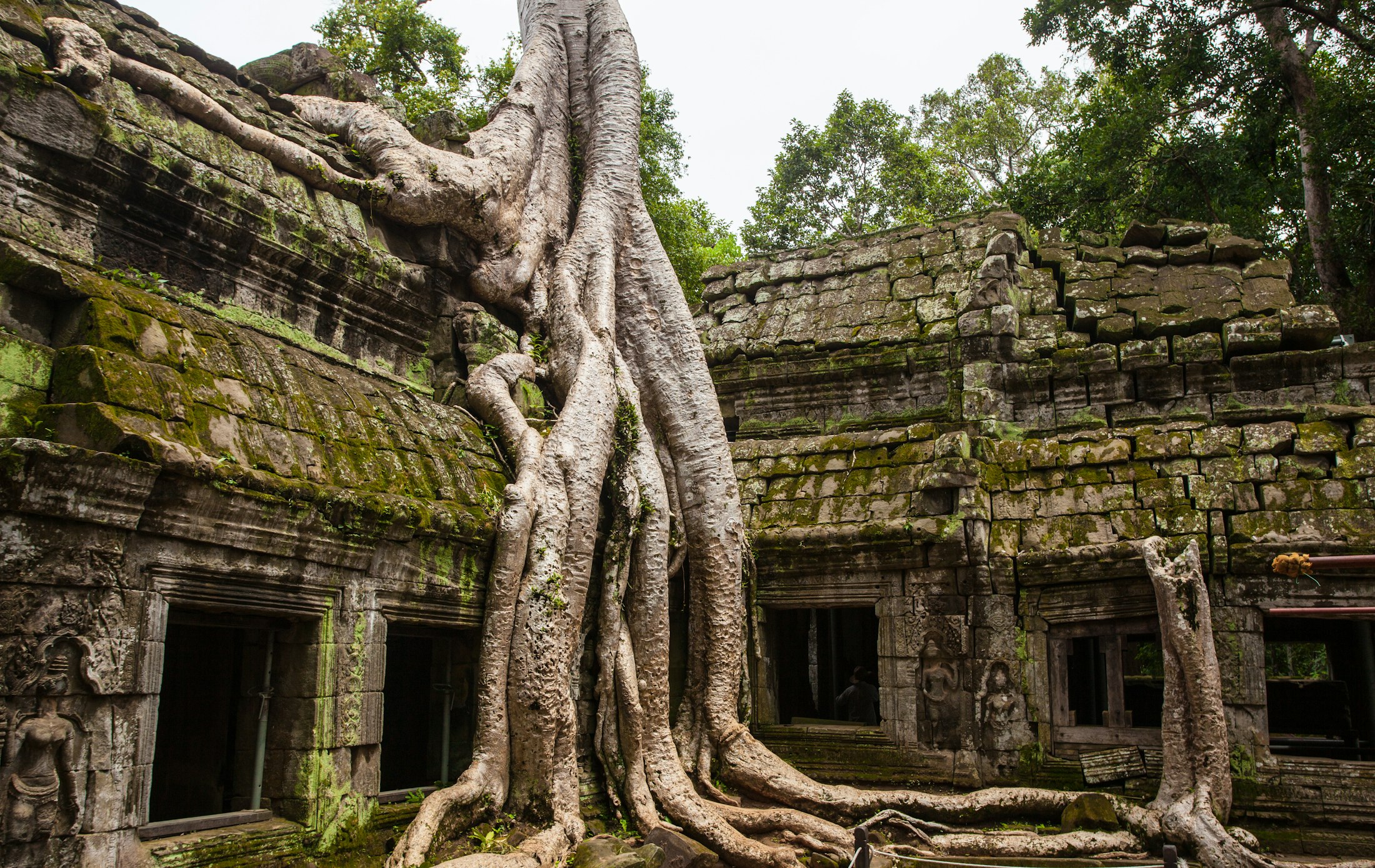
Most guides mention Wat Bo's 19th-century murals and move on. That undersells it. The paintings inside the old wooden vihara depict scenes from the Reamker — the Khmer Ramayana — with a looseness and human detail that the more famous murals at Angkor Wat, stiff by comparison, don't have. Horses with personality. Demons who look tired.
The compound is free to enter and rarely crowded. Early morning, monks cross the grounds in orange robes and mostly ignore visitors. By 9 a.m., the schoolyard next door fills with noise, which either adds atmosphere or ruins your contemplation depending on your tolerance.
Skip the "Wat Bo walking tour" packages sold at guesthouse desks on Sivatha Boulevard. They charge $15–20 to walk you through a neighbourhood you can explore alone in sandals. The pagoda has no entry fee, no hours posted, no ticket counter. Just walk in.
Stay in Siem Reap
Top-rated hotels near Siem Reap
Best locations · Verified reviews · Free cancellation
View deals
Expedia →3. Shadow puppets at Sovanna Phum
Sovanna Phum Art Association, on Wat Bo Road itself, runs shadow puppet performances — sbek touch, the small leather variety — on Friday and Saturday evenings at 7:30 p.m. Tickets are $15 for foreigners, which felt steep until the show started.
The puppeteers work behind a backlit screen with cowhide figures they've cut and painted themselves. Performances run about an hour and pull from Reamker episodes, narrated in Khmer with enough physical comedy that language doesn't matter much. The workshop area is open during the day, and you can watch artisans carving and painting new figures. A small puppet costs around $10–25.
What I like about this place: it's run by Cambodians, not by an NGO with a gift shop selling "ethically sourced" tote bags. The art form nearly disappeared under the Khmer Rouge, and the people keeping it alive here are direct inheritors, not curators.
Pro tip: Arrive by 7:15 p.m. to get a seat in the first two rows. The translucency of the leather puppets is the whole point, and from the back you lose it.
Stay in Siem Reap
Top-rated hotels near Siem Reap
Best locations · Verified reviews · Free cancellation
View deals
Expedia →4. Eating and drinking without a cocktail menu
Wat Bo Road has a few café-restaurants aimed at long-stay expats — decent coffee, mediocre sandwiches, air conditioning. Fine if you need Wi-Fi. Not worth a dedicated trip.
Better eating happens at the rice-and-curry stalls near the Wat Bo Village market, mornings only. A plate of bai sach chrouk — grilled pork over broken rice with a clear broth on the side — costs 6,000 riel and arrives in under two minutes. The pork is sweet from palm sugar and slightly charred. One stall near the market's north entrance has been there at least since 2018, when I first ate there at 6:45 a.m., half-asleep and still grateful.
Draught Angkor for 2,000–3,000 riel at any shopfront place with plastic furniture. Nobody will try to upsell you a "signature infusion."
Pro tip: The bai sach chrouk stalls start packing up by 9 a.m. This is a breakfast food, not a brunch food.
Essential tips
Monsoon season (June–October) means daily afternoon downpours lasting 1–2 hours. The unpaved lanes in Wat Bo Village turn to mud. Bring shoes you don't care about.
Riel and US dollars circulate interchangeably. Stalls in Wat Bo Village prefer riel for small purchases. ATMs on Sivatha Boulevard dispense dollars; get riel as change from markets.
Rent a bicycle from any guesthouse for $1–2/day. Wat Bo Village is flat and close enough to the centre that a tuk-tuk is an unnecessary expense.
Ask before photographing prahok makers or anyone's home. A smile and a gesture toward your camera is enough. Most people will say yes; some won't.
Ready to visit Siem Reap?
Book your hotel, flights, and activities through our Expedia-powered search.


