In This Guide
- 1.The spice lane that runs south from Asan Tole
- 2.Monsoon changes everything about the market
- 3.Newari bhoy: the feast you have to be told about
- 4.A bowl of thukpa at 7 a.m. in the rain
- 5.Where to find chatamani, and why most people describe it wrong
- 6.Aila and tongba: drinking in the old city
- 7.The Indra Jatra window
The rain had been falling for three hours when I ducked under a tarp at the edge of Asan Tole and watched a woman sort through a pile of timur peppercorns with the focus of a jeweler. She was picking out stems, flicking them into a separate basket without looking. Behind her, burlap sacks of turmeric bled yellow onto the wet stone.
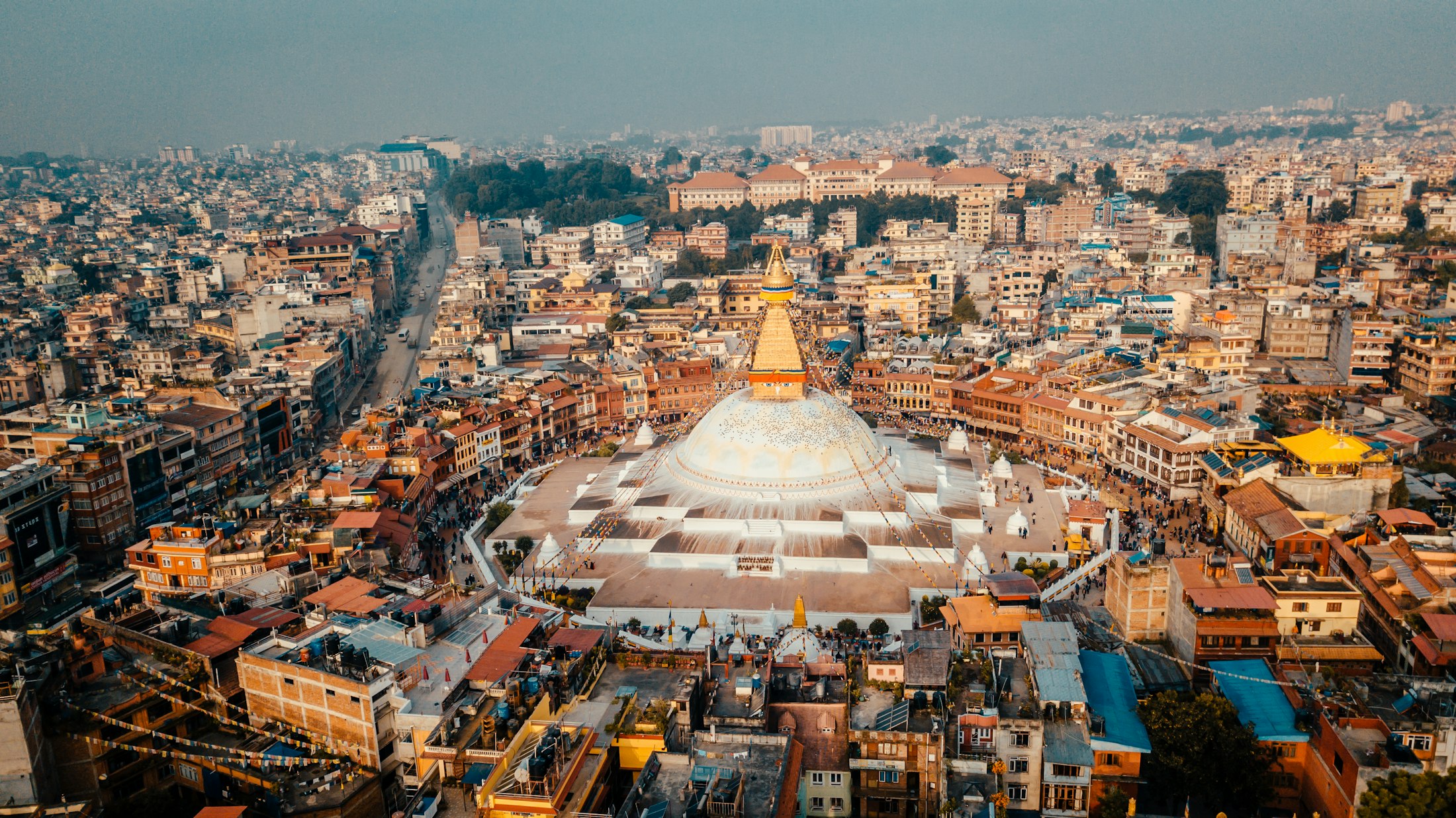
Asan doesn't present itself to you. It's a crossroads — six streets feeding into an irregular square — and during monsoon season, roughly June through September, it operates in a permanent state of damp compression. The spice trade here predates the modern city by centuries, but what keeps me returning isn't history. It's the fact that within a fifteen-minute walk of this intersection, you can eat some of the most considered food in South Asia, prepared in rooms that seat twelve people and don't appear on Google Maps.
1. The spice lane that runs south from Asan Tole
Walk south from the Annapurna Ajima temple and you'll hit a corridor so narrow two people with umbrellas can't pass. This is where the serious spice vendors work. The tourist-facing stalls near the main square sell pre-packaged masala blends at inflated prices — skip those entirely.
What you want is the row of open-sack sellers about forty meters down, past the gold shops. Jimbu, the dried Himalayan allium that smells like garlic crossed with chives, goes for around NPR 800-1,200 per 100 grams depending on the season and your bargaining patience. Timur — Sichuan pepper's Nepali cousin — is cheaper, usually NPR 300-500 for the same weight. The vendors here will let you smell and taste before buying, and most speak enough English to explain origin: Jumla district for jimbu, Palpa or Sindhuli for timur.
I made the mistake on my first visit of buying turmeric powder from the main square. It was cut with something — rice flour, probably — and tasted flat. The whole dried rhizomes from the south lane cost about the same and you can grate them yourself.
Pro tip:Bring small ziplock bags. The newspaper wrapping the vendors use doesn't survive a monsoon downpour in your daypack.
2. Monsoon changes everything about the market
Most food-travel writing about Kathmandu assumes dry weather. This is a mistake.
During monsoon, the Asan market contracts. Vendors pull their sacks further under overhangs. The alleys get darker. Foot traffic drops by maybe half, which means the people shopping here between June and September are almost entirely local — cooks buying for households, small restaurant owners stocking up. Prices dip. The fenugreek smell gets sharper, almost acrid, in the humidity.
There's a practical consequence too: many spices absorb water from the air and clump. You'll see vendors spreading turmeric and chili on tarps during any break in the rain, turning it with their hands. If you're buying ground spices during monsoon, check for clumping and mold. Whole spices are a safer bet.
3. Newari bhoy: the feast you have to be told about
The Newar community — the historical inhabitants of the Kathmandu Valley — has a food tradition that operates almost entirely outside the tourist economy. A bhoy is a communal feast, traditionally served on leaf plates arranged on the floor in long rows. The sequence of dishes matters. The order is not arbitrary.
You start with flattened rice, move through black soybeans, roasted meat (usually buffalo), achar made from lapsi fruit, and a series of vegetable preparations that arrive in a specific progression. The meal ends with curd and sometimes a sliver of raw ginger. The whole thing can include twenty or more small portions.
The problem for visitors is access. Real bhoy happens at family events — weddings, rice-feeding ceremonies, festivals like Indra Jatra. But a few places in the old city serve approximations that are worth your time. Honacha, near Patan Durbar Square, runs a set Newari menu for around NPR 700-900 that covers the essential sequence. It's small — maybe eight tables — and doesn't take reservations.
The popular recommendation online is Bhojan Griha in Dillibazaar, which serves Newari food in a restored heritage building. It's fine for atmosphere. But the food is smoothed out, calibrated for foreign palates. The chhwela there barely registers any heat. If you want the real sting of timur and chili on buffalo meat, Honacha or the smaller places around Patan are closer to the source.
Pro tip:Bhoy is eaten with your right hand. No utensils. If you're not comfortable with this, nobody will judge you for asking for a spoon, but try a few bites without one first.
Stay in Kathmandu
Top-rated hotels near Kathmandu
Best locations · Verified reviews · Free cancellation
View deals
Expedia →4. A bowl of thukpa at 7 a.m. in the rain
There's a place on the north side of Asan, no sign I could read, where a woman serves thukpa from a single pot starting around 6:30 a.m. The broth is clear, with a layer of chili oil floating on top that breaks when you stir it. The noodles are hand-pulled, thick, slightly uneven — some strands wider than others, which means they cook at different rates and give you variation in texture within the same bowl. There are small pieces of buffalo, maybe five or six per serving, and enough raw garlic to make your eyes water.
A bowl costs NPR 150.
I sat on a plastic stool under a corrugated overhang while rain hit the tin above me at a volume that made conversation pointless. The woman running the stall didn't speak to her customers much. She ladled, passed the bowl across the counter, and turned back to her pot. The thukpa was too hot to eat for the first three minutes. I watched steam come off it and mix with the rain mist. When I finally got a spoonful of that broth — salty, deep, with a back-of-the-throat heat from the chili oil — it felt like the most necessary food I'd ever eaten.
5. Where to find chatamari, and why most people describe it wrong
Every travel article calls chatamari "Newari pizza." This comparison is lazy and wrong. Chatamari is a rice-flour crepe, cooked on a concave griddle, topped with minced buffalo, egg, and sometimes vegetables. It has more in common with a dosa or a French socca than anything from Naples. The base is crisp and slightly granular. Calling it pizza sets up expectations it was never trying to meet.
Newa Lahana in Kirtipur — about a 30-minute taxi ride from Asan — serves what I think is the best version. The rice batter is thin enough that the edges go brittle, and the minced meat topping is seasoned with cumin and timur rather than the generic garam masala some places default to. A chatamari here runs NPR 200-350 depending on toppings. They also serve a black lentil soup called kwati during monsoon season that's worth ordering alongside.
Kirtipur itself is quieter than central Kathmandu by several magnitudes. The town sits on a ridge. On clear days you can see the Himalayas from the main road, though during monsoon that view is mostly theoretical.
Pro tip: Ask for the chatamari with egg cracked directly onto the crepe while it cooks, not added after. The texture difference matters.
Stay in Kathmandu
Top-rated hotels near Kathmandu
Best locations · Verified reviews · Free cancellation
View deals
Expedia →6. Aila and tongba: drinking in the old city
Aila is a distilled rice spirit that ranges from rough to very rough. Some of it tastes like sake's unruly cousin. Some of it tastes like paint thinner.
The better bet for most people is tongba — fermented millet served in a wooden vessel with hot water poured over it. You drink through a metal straw with a strainer at the bottom. The first pour is mild, slightly sweet, with a yeasty warmth. You can refill the hot water three or four times before the millet gives up its flavor. A tongba at most places in Thamel runs NPR 250-400, but you're paying a tourist premium there. In the Newari neighborhoods around Asan — Nag Bahal, Itum Bahal — you can find it for NPR 150 or less at places that are essentially someone's front room with a few stools.
Skip Thamel for drinking entirely, actually. The markup isn't just on price — the tongba there sits longer, the millet already half-spent before you get it.
These neighborhood spots aren't bars in any recognizable sense. No menu, no signage. You walk in, someone asks what you want, and the options are aila, tongba, or sometimes chhyang, which is unfiltered rice beer served in a brass bowl. Food may or may not be available. Last time I was there in August, a man at a place in Itum Bahal brought out a plate of fried soybeans without being asked. Still warm.
Pro tip:If you're offered aila, take only a small pour first. Quality varies enormously and some home-distilled versions are genuinely unsafe.
7. The Indra Jatra window
If your timing allows it, Indra Jatra — usually in September, near the end of monsoon — is when Asan and the surrounding old city operate at full intensity. Temporary food stalls multiply. Families set out bhoy in courtyards that are normally closed to outsiders. The Kumari is paraded through streets you walked quietly the day before.
The specific food to seek during Indra Jatra is samay baji — a ceremonial plate that includes flattened rice, barbecued buffalo, ginger, garlic, black soybeans, an egg, and aila. It's served as a set, and the composition varies slightly by household and neighborhood. During the festival, some community courtyards in the Asan area serve samay baji to anyone who walks in. No charge. You sit on a mat, eat with your hands, and leave when you're done.
Not everything about the festival is for spectators. Some rituals are private.
Pro tip:Indra Jatra dates shift annually based on the lunar calendar. Check Nepal's official calendar or ask any hotel in Kathmandu for the exact dates that year.
Essential tips
Wear shoes you can slip on and off quickly. You'll remove them entering temples, some traditional restaurants, and any private home. Sandals with back straps work better than flip-flops on wet monsoon streets.
Carry cash in small denominations — NPR 100 and 500 notes. Most Asan vendors, all street food stalls, and the informal drinking spots do not accept cards or mobile payments.
Monsoon rain in Kathmandu comes in bursts, usually heaviest in the afternoon. Plan your market walking for morning — 7 to 11 a.m. — when rain is less likely and vendors are fully stocked.
Google Maps is unreliable for Asan's interior lanes. Download the Maps.me offline map for Kathmandu before you arrive — it handles the old city's footpaths and unnamed alleys better.
Ready to visit Kathmandu?
Book your hotel, flights, and activities through our Expedia-powered search.


