In This Guide
The disc of metal left my hand with a lazy arc, crossed maybe fifteen meters of damp night air, and hit the clay pit with a crack that shook my fillings. Gunpowder. Real gunpowder. Packed into little paper triangles called mechas, set on a metal ring, waiting for a four-pound steel puck to detonate them. That's tejo — Colombia's national sport, older than the country itself, and the best reason to spend a Tuesday night in Barrio Boston instead of scrolling through Poblado rooftop bars.
I'd been told tejo was "like cornhole but louder." That undersells it the way calling a hurricane "windy" undersells it. The explosion echoes off concrete walls, beer foam trembles in your glass, and a cloud of sulfur drifts across the lane. Nobody flinches. The regulars just mark the score with a stub of chalk and hand you another canelazo — a hot drink of aguardiente, cinnamon, and panela that burns twice on the way down.
1. Why Barrio Boston and not the tourist tejo spots in Laureles
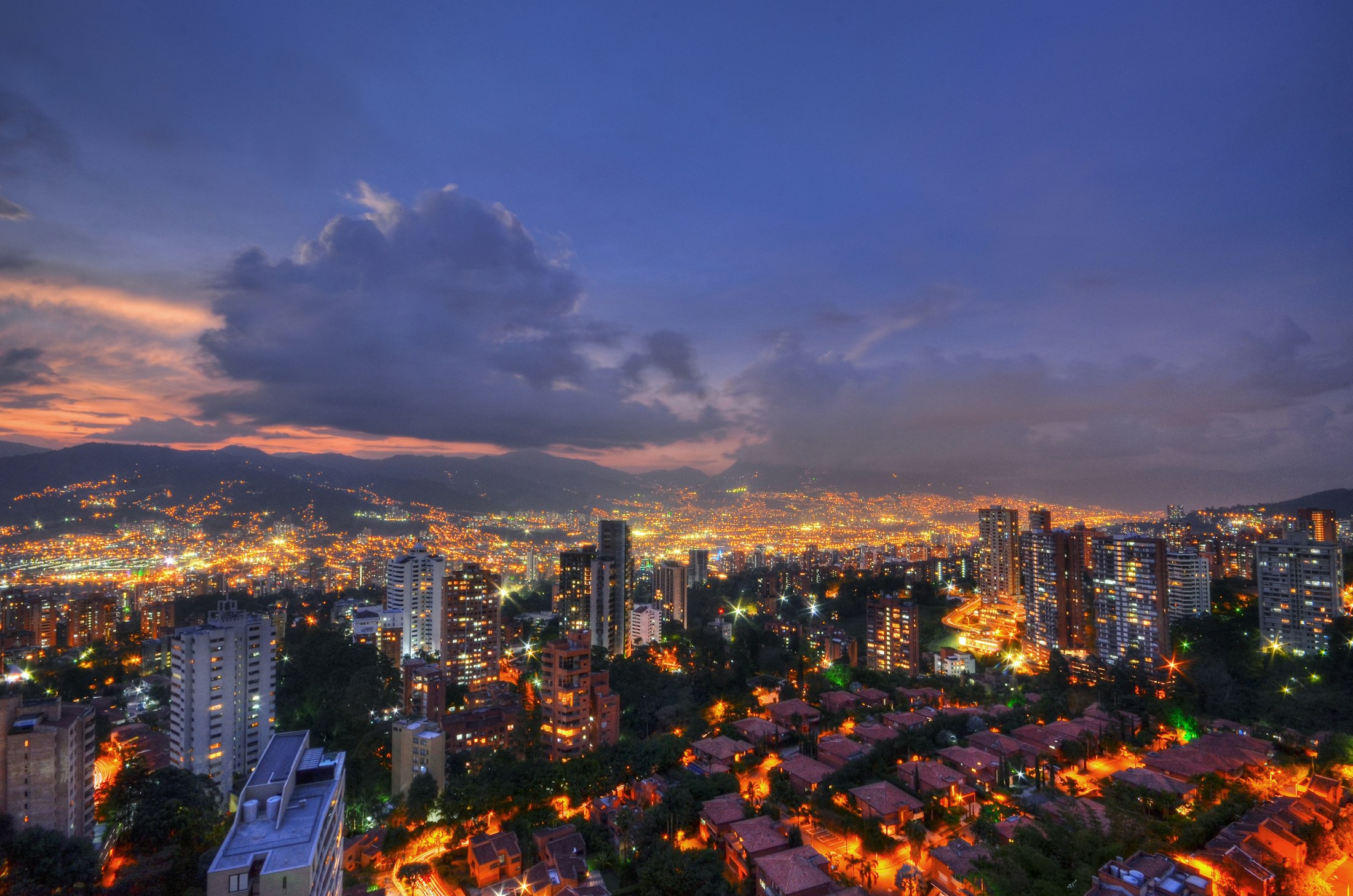
Most guides will route you to a tejo bar in Laureles or El Poblado where the lanes are clean, the scoreboards are digital, and the crowd is 80 percent gringos taking Reels. Skip those. The whole point of tejo is that it's loud, grimy, and played by people who've been throwing since they could lift the disc. Barrio Boston, east of the centro and uphill enough that the mist rolls through by 8 p.m., still has canchas where that's the deal.
About a 12,000-peso taxi ride from Parque Lleras — fifteen minutes if traffic cooperates, which in Medellín means "maybe." Uber works fine. The streets narrow as you climb, and the concrete gets older. You'll smell grilled chorizo from corner carts before you see the first tejo sign.
Pro tip:Tell your driver "canchas de tejo en Boston, cerca de la iglesia" — there are a few spots clustered within two blocks of the neighborhood church, and most drivers know the area by that landmark.
2. The mechas, the clay, the noise
Here's how it works. A clay pit, angled slightly, sits at each end of a lane about 18 meters long. In the center of the pit there's a metal ring, maybe six inches across, with triangular paper packets of gunpowder — mechas — balanced on its rim. You throw a tejo (the steel puck) and try to hit the ring. Hit a mecha and it detonates. That's the maximum score: a mecha worth nine points. Landing inside the ring without an explosion gets you six. Close to the ring, three. Everything else, nothing.
The clay is re-packed between rounds by hand. Someone — usually a kid working for tips — kneads it flat, resets the ring, places fresh mechas with the care of a jeweler setting stones. The pits smell like wet earth and sulfur. That combination sticks to your clothes for days.
I made the mistake of wearing a decent jacket my first time. It still smells faintly of cordite two washes later.
3. Canelazo and what else you're drinking
Tejo bars in Boston don't have cocktail menus. You're getting beer — almost always Club Colombia or Pilsen, served in 750ml returnable bottles for around 7,000 to 9,000 pesos — or you're getting canelazo. The canelazo comes in small plastic cups, sometimes from a communal pot kept warm on a hot plate behind the counter. Aguardiente, panela (unrefined cane sugar), cinnamon, clove, lime. It tastes like Christmas morning in a country where Christmas is 85 degrees.
Some places also pour straight aguardiente shots — Antioqueño is the local default — and a few stock aguapanela with nothing in it for the designated drivers and the kids running the clay pits. Don't expect wine. Don't ask for it.
The consensus among travel bloggers is that canelazo is "too sweet" or "a novelty." They're wrong. It's a functional drink for a cold, misty evening at altitude, and the cinnamon cuts the anise of the aguardiente in a way that straight shots never manage. Two or three cups is the sweet spot. After five, your tejo aim disintegrates and so does your Spanish.
Pro tip:Bring cash. Most tejo bars in Boston don't take cards, and there's no reliable ATM within a few blocks. 50,000 pesos per person covers lane rental, drinks, and snacks with room to spare.

Stay in Medellín
Top-rated hotels near Medellín
Best locations · Verified reviews · Free cancellation
View deals
Expedia →4. Lane rental, house rules, and not embarrassing yourself
A lane usually runs 20,000 to 30,000 pesos per hour, depending on the spot and whether you're negotiating in Spanish. Some places charge per game instead, around 5,000 per person. Ask before you throw.
House rules vary, but the basics: teams of two or four, alternating throws, first to 21 wins. Don't cross the line. Don't walk downrange while someone's throwing — this sounds obvious, but beer and gunpowder make people forget. The regulars will correct your grip, your stance, your follow-through. Let them. The underhand lob that locals use looks effortless but took them years to dial in. Your overhand heave will sail past the pit and bounce off the back wall.
Aim low.
Pro tip: Wear closed-toe shoes. The tejo puck weighs roughly 1.5 kilograms, and dropped ones bounce unpredictably on concrete floors.
5. When to go (and what the weather actually does)
Medellín's supposed eternal spring still has seasons, and Boston sits higher than El Poblado, so it's cooler and damper after dark. Evenings in the rainy months — roughly April through May and September through November — can drop to 14 or 15 degrees Celsius up there. A light jacket matters.
Tejo bars in Boston run mostly Thursday through Saturday nights, peaking between 8 p.m. and midnight. Tuesday and Wednesday some lanes are open but quiet — better for learning without an audience. Sunday afternoons draw family crowds, which means fewer mechas flying and more kids underfoot.
Last time I was there in late October, the fog was so thick by 10 p.m. that the far pit was a blur. The explosions just appeared out of the white, muffled and strange.
Pro tip:If you're coming from El Poblado after rain, add ten minutes to your taxi estimate. The roads through La Candelaria and Buenos Aires slow to a crawl.
Stay in Medellín
Top-rated hotels near Medellín
Best locations · Verified reviews · Free cancellation
View deals
Expedia →6. The walk home through the mist
Boston isn't a neighborhood that shows up on "safest in Medellín" lists, and I'm not going to pretend otherwise. It's a working-class barrio that's been improving but still requires common sense after dark. Don't flash expensive gear. Don't wander aimlessly past midnight. Order an Uber or taxi from inside the bar and wait for it at the door.
But if you walk a block or two to the corner tienda for a last empanada before the car arrives — which I'd recommend — you'll notice the mist sitting low under the streetlights, the sound of reggaeton drifting from apartment windows, somebody's abuela leaning on a second-floor railing watching the street. Medellín at its most unperformed. No ring light, no influencer captions. Just a barrio at night, smoke still in your clothes, a bruise forming where you dropped the tejo on your own foot.
Essential tips
Bring at least 50,000 COP in cash per person. Tejo bars in Boston rarely accept cards, and some won't break 100,000-peso notes.
Pack a layer — Boston sits higher than tourist neighborhoods, and evening temps drop to 14-15°C in rainy season. A hoodie or light rain shell is enough.
Use Uber or InDriver, not street hails, for the return trip. Cell signal in Boston can be spotty, so request your ride before you step outside.
Closed-toe shoes only. A 1.5 kg steel puck and concrete floors are a bad combination for sandals.
Ready to visit Medellín?
Book your hotel, flights, and activities through our Expedia-powered search.