In This Guide
The rain stopped at 2:14 p.m. I know because I'd been watching it hammer the corrugated awning above a sidewalk table on Calle 37, counting minutes like a person with nowhere better to be. That's the aguacero lull — Medellín's afternoon downpour clears out, the air drops five degrees, and suddenly the coffee you're holding tastes different. Sharper. The city smells like wet concrete and something green.
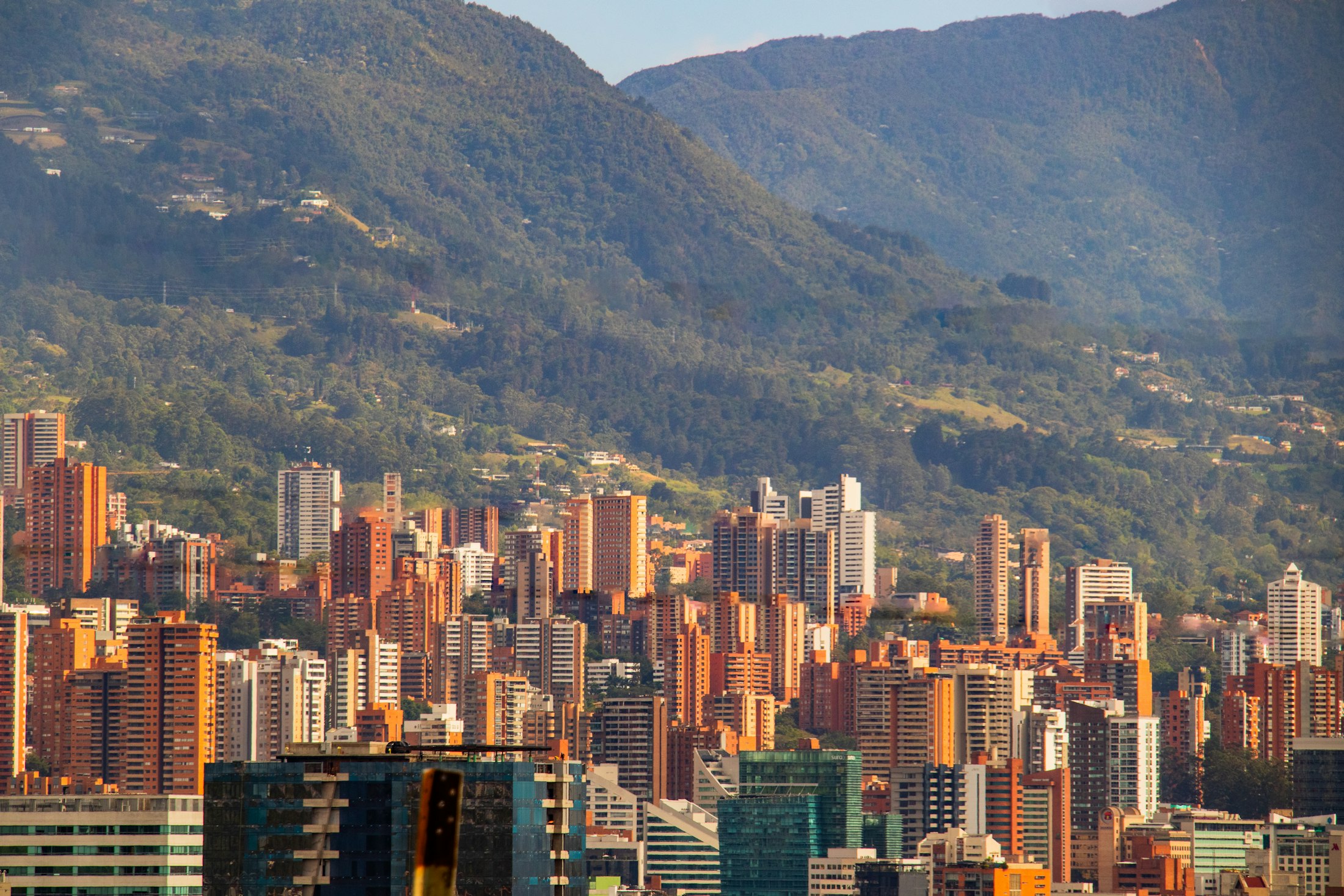
Provenza, the neighborhood stacked into the hillside above Parque Lleras in El Poblado, has become the place where Medellín's specialty coffee people are doing their most interesting work. Not the flashiest work — that prize goes to the roasters in Laureles posting latte-art reels. The most interesting. Finca-to-cup sourcing, fermentation experiments, baristas who can tell you the altitude their beans grew at because they drove up and checked. Y'all should know: this is not a neighborhood that needs your tourism dollars. It's doing fine. But it rewards paying attention.
1. Pergamino and the cult of the second pour-over
Pergamino, on Carrera 37 #8A-37, has been here long enough that calling it a discovery would be dishonest. It's an institution. What's changed is the finca-direct menu rotating on the chalkboard behind the register — single-origin lots from Jardín, Jericó, Andes, sometimes a washed Caturra from a farm so small it doesn't have a website.
Order the pour-over, not the espresso. I'll die on this hill. Pergamino's espresso is fine, but fine espresso exists in every city on earth. Their pour-over on a high-altitude Castillo varietal is where you taste the particular thing this region does differently — a citric brightness that Colombian coffee nerds call "acidez amable." A V60 pour-over runs around COP 14,000.
The space itself is long and narrow, with a back patio that fills up by 10 a.m. on Saturdays. Go on a Tuesday. The afternoon lull between 2 and 4 p.m., right after the rain, is when the baristas actually have time to talk.
Pro tip:Ask for the "lote de la semana" (lot of the week) — it's not always on the visible menu, and it's usually their most experimental processing method, often honey or extended fermentation.
2. Azahar is the one your hotel concierge recommends — and for once, they're right
I made the mistake of skipping Azahar Coffee on my first Medellín trip because someone told me it was "too touristy." That person was wrong. Azahar sources from their own fincas in Huila and Nariño, and the traceability board on the wall isn't decoration — it's the actual supply chain pinned up for you to read.
Their location on Carrera 36 #10A-29 is a two-story space with exposed brick and enough natural light to make you forget you're in a building. The cold brew, served in a glass carafe with a separate cup of ice, costs COP 16,000 and is one of the better arguments against hot coffee I've encountered in the tropics.
Azahar's pastries are better than their coffee. The pan de bono is crispy on the outside, dense and salty inside, and costs COP 5,500. Most coffee shops in Provenza treat food as an afterthought. Azahar doesn't.
Stay in Medellín
Top-rated hotels near Medellín
Best locations · Verified reviews · Free cancellation
View deals
Expedia →3. Skip Café Velvet on a weekend
Café Velvet on Carrera 35 #8A-3 gets mentioned in every Medellín coffee roundup, and it's earned a place on that list — Monday through Thursday. On weekends, the sidewalk tables become a staging area for brunch influencers blocking the entrance with ring lights. The coffee doesn't change, but the experience does, and experience is half of what you're paying for.
If you go midweek, order the café de origen and sit at the bar facing the espresso machine. The baristas pull shots on a La Marzocca Linea PB and they're precise about it. A single-origin espresso is around COP 8,000.
Pro tip:The walk from Café Velvet to Pergamino takes about three minutes on Carrera 37, slightly uphill. Do them back-to-back and compare pour-overs — it's the fastest coffee education you'll get in the city.
4. What the weather actually does to your afternoon
No coffee guide in Medellín is complete without talking about the rain, and almost none of them do. The aguacero hits most afternoons between roughly 1 and 3 p.m., though it can start as early as noon in October and November. It's not a drizzle. It's a wall of water that turns Provenza's steep side streets into temporary streams.
This matters for two reasons. First, any outdoor seating plan you had is gone for 30 to 90 minutes. Second — and this is the part nobody writes about — the post-rain window from about 3 to 5 p.m. is when Provenza is at its best. The temperature sits around 20°C, the sidewalks are empty, and the cafés are calm. Last time I was there in March, I had Pergamino's back patio entirely to myself at 3:30 on a Wednesday. That doesn't happen at 11 a.m.
Drive times worth knowing: the ride from El Poblado metro station to Provenza is about COP 8,000-12,000 in a taxi, maybe seven minutes without traffic. From Laureles, expect 20 to 30 minutes depending on the hour. From the airport in Rionegro, a solid 45 minutes to an hour on the highway, longer if you land during afternoon rain.
Pro tip:Carry a compact umbrella or a rain shell — not for fashion, but because getting caught between cafés during the aguacero without one means ducking into whatever shop is closest and waiting it out. That's fine once. It gets old.
Stay in Medellín
Top-rated hotels near Medellín
Best locations · Verified reviews · Free cancellation
View deals
Expedia →Essential tips
Check Medellín's afternoon radar on Windy.com before heading out — the aguacero timing shifts by season, and a 30-minute head start means the difference between a dry walk and a soaked notebook.
Most Provenza cafés accept cards, but smaller spots and street vendors near Parque Lleras are cash-only. Withdraw from Bancolombia ATMs to avoid the surcharge some international banks add at Servibanca machines.
Use InDriver or DiDi instead of yellow cabs for the ride into Provenza — you can negotiate the fare in-app, and it's consistently 20-30% cheaper than hailing on the street.
If a barista offers you a "tinto," that's the local term for basic black coffee, not a wine reference. It's usually COP 2,000-3,000 and comes pre-sweetened with panela unless you say "sin dulce."
Ready to visit Medellín?
Book your hotel, flights, and activities through our Expedia-powered search.