In This Guide
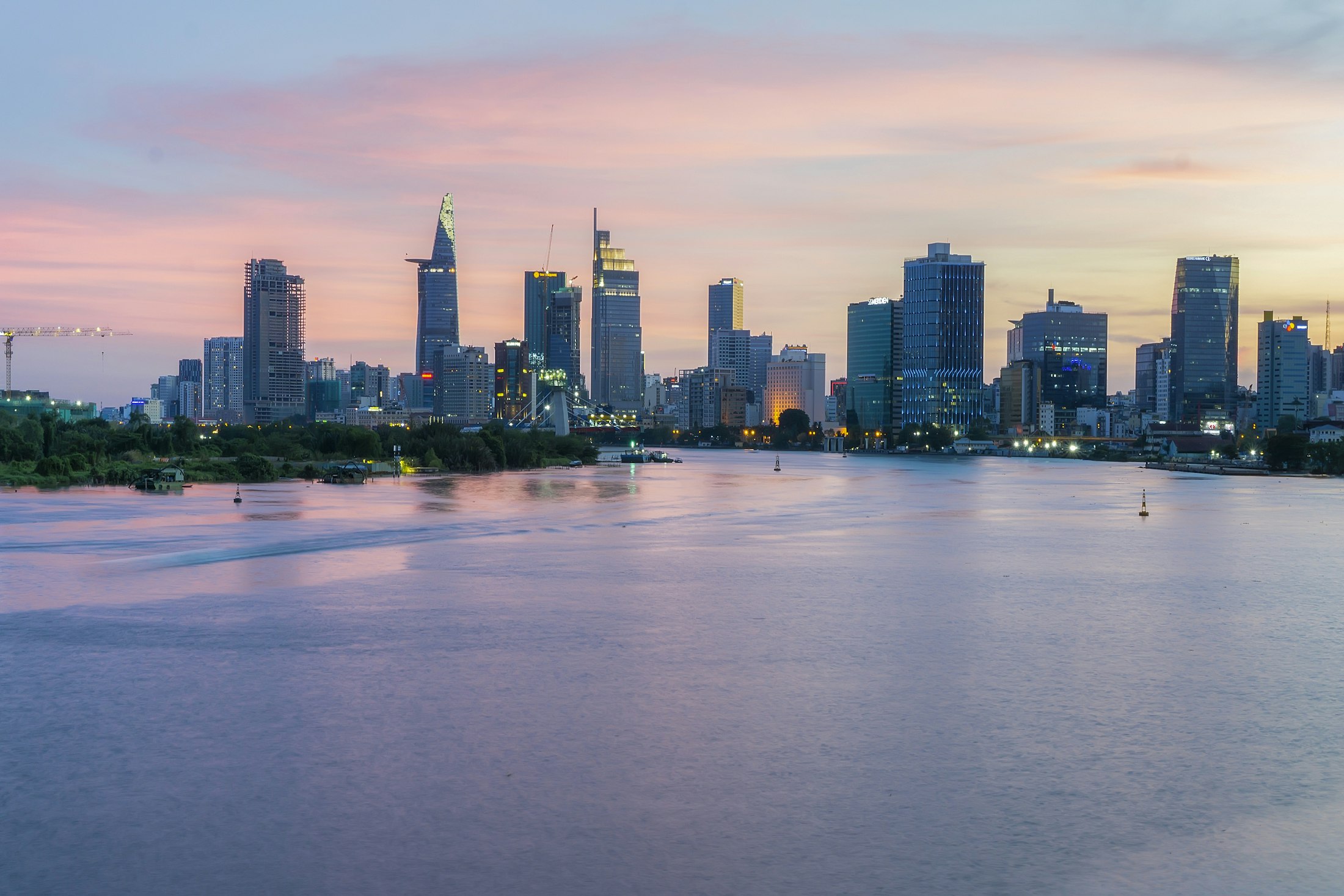
The rain started at 2 p.m., the way it always does in Saigon between June and October — not gradually, but like someone upended a lake. I was on Nguyễn Tri Phương, District 10, watching a woman in a plastic poncho carry a steel pot of bò kho across the street with the calm of someone who has done this ten thousand times. District 10 doesn't appear on most tourist itineraries, which is fine by everyone who eats there. No one's trying to brand it. The neighborhood runs on a logic of noodle shops that open at 5 a.m. and vinyl cafés that don't get going until 3 p.m., and the two worlds rarely overlap except during monsoon season, when you duck into whatever doorway is closest and end up staying for hours.
Bò kho — beef stew slow-cooked with lemongrass, star anise, and annatto seeds until the broth turns the color of clay — is Saigon's definitive rainy-season food. District 10 does it better than anywhere else in the city, and I will argue about this with anyone.
1. What bò kho actually is (and what it isn't)
Bò kho is not pho. It is not a consommé. It is thick, spiced, and deeply orange, more like a French daube that ran away to Southeast Asia and never came back. The base gets its color from hạt điều nhuộm — annatto seeds — bloomed in oil before anything else hits the pot. Lemongrass, cinnamon bark, and star anise go in next, then beef shank or tendon, sometimes both, braised until the collagen dissolves into the liquid.
You eat it three ways in District 10: with a torn bánh mì for dunking, with rice vermicelli, or over egg noodles — mì trứng — which is my preference because the fat noodles hold the broth in their wrinkles. Most shops will ask, "Bánh mì, bún, hay mì?" Answer mì and you've made the right call.
Don't confuse it with bò kho you've had at phở restaurants in other districts, where it's a menu afterthought ladled from a pot that's been sitting since morning. In District 10, the stew is the point.
Pro tip: If the broth is thin and pale, leave. Real bò kho should stain the bowl.
2. Bò Kho Út Nhung, 205 Nguyễn Tri Phương
This is the one. Út Nhung has been operating out of the same ground-floor shophouse on Nguyễn Tri Phương since the mid-1990s, and the menu hasn't expanded because it doesn't need to. You get bò kho. You choose your starch. You sit on a plastic stool that was not designed for anyone over 5'8". The stew arrives in a metal bowl with a side of rau mùi and a wedge of lime, and the beef is so tender it separates if you look at it with intent.
A bowl runs about 45,000–55,000 VND depending on whether you add extra tendon. They open around 6 a.m. and sell out by early afternoon — I've shown up at 1:30 p.m. to nothing but dirty pots.
The woman who runs the place doesn't do small talk, which I respect.
Pro tip: Go before 10 a.m. on weekdays. By Saturday noon, the stools are three deep.
3. Skip the bò kho on Lý Thường Kiệt
A couple of blogs direct tourists to a shop on Lý Thường Kiệt near the District 10 border that's supposedly the neighborhood's best. It isn't. The broth tastes like it was seasoned for people who think fish sauce is aggressive, and the last time I ate there the bread was cold and the tendon was rubbery in a way that suggested a shortcut. The plastic-wrapped condiment tray should have been a warning.
Saigon food blogs have a consensus problem — one influencer posts a reel, and suddenly every listicle copies the recommendation without tasting it themselves. Trust the places with no English signage and a line of xe ôm drivers eating breakfast.
4. The vinyl cafés that share the same sidewalks
Something happened in District 10 around 2019: a wave of small, owner-operated cafés built around turntables and secondhand record collections started opening in shophouses and repurposed garages. They aren't speakeasies. They aren't trying to be secret. They just exist in a part of the city where rent is still low enough that a 28-year-old can open a café with 400 records and a La Marzocca knockoff and not go bankrupt in six months.
Cà Phê Dĩa Nhựa on Thành Thái is one I keep going back to. The owner — Minh — has a collection heavy on Japanese city pop and Vietnamese pre-1975 pressings, and he'll change the record if you ask, which I find generous and slightly dangerous because I once requested Khánh Ly and stayed for four hours. Cà phê sữa đá is 35,000 VND. No food menu, but Minh doesn't care if you bring in a bánh mì from the cart two doors down.
Analog Corner on Sư Vạn Hạnh leans more toward jazz and has a genuinely uncomfortable wooden bench that somehow adds to the experience. They close at 9 p.m. sharp.
Pro tip: Most vinyl cafés in District 10 are cash only. ATMs are easy to find on Nguyễn Tri Phương and 3 Tháng 2.
Stay in Ho Chi Minh City
Top-rated hotels near Ho Chi Minh City
Best locations · Verified reviews · Free cancellation
View deals
Expedia →5. Afternoon rain and what to do with it
Monsoon season in Saigon runs roughly May through November, and the afternoon downpours are not gentle. Loud, vertical, and warm. The city doesn't stop for them — people just relocate under awnings and order another coffee.
This is the actual rhythm of eating bò kho in District 10: you wake up early, eat the stew, walk through the neighborhood while the air is still tolerable, and then around 2 p.m. the sky cracks open and you slide into a vinyl café and wait it out with iced coffee and whatever's on the turntable. By 4 p.m. the rain stops. The streets smell like wet concrete and exhaust and jasmine. You're hungry again.
6. Getting to District 10 and getting oriented
From District 1 (where most hotels land you), District 10 is a 15-minute Grab bike ride or a 30-minute cab depending on traffic, which in Saigon means "depending on everything." The fare should be 25,000–40,000 VND on a bike. Don't bother with the bus unless you already know the route numbers.
The neighborhood's main arteries — Nguyễn Tri Phương, 3 Tháng 2, Thành Thái, and Sư Vạn Hạnh — form a rough grid that's easy to navigate on foot once you're there. District 10 also borders Chợ Lớn (District 5), which means the food influence tilts Chinese-Vietnamese in certain blocks: egg noodle shops, herbal tea stalls, roast duck hanging in windows.
No landmark to orient yourself by. Just the food.
Pro tip:Set your Grab pickup pin carefully — drivers often can't find you in the narrow sidestreets off Nguyễn Tri Phương. Stand on the main road.
Stay in Ho Chi Minh City
Top-rated hotels near Ho Chi Minh City
Best locations · Verified reviews · Free cancellation
View deals
Expedia →Essential tips
Pack a lightweight rain jacket, not an umbrella — Saigon monsoon wind makes umbrellas useless, and you'll need both hands free for eating on plastic stools.
Most bò kho shops and vinyl cafés in District 10 are cash only. Withdraw VND from ATMs on Nguyễn Tri Phương (Vietcombank and ACB both have reliable machines) before you eat.
Grab bike is faster and cheaper than GrabCar for getting to District 10. Expect 25,000–40,000 VND from District 1. Confirm the pickup pin is on a main road.
Bò kho shops open as early as 5:30–6:00 a.m. and many sell out by 1 p.m. Vinyl cafés don't really get going until mid-afternoon. Plan your day in two halves.
Ready to visit Ho Chi Minh City?
Book your hotel, flights, and activities through our Expedia-powered search.


