In This Guide
- 1.What makes District 10 bò kho different
- 2.Bò Kho Cô Ba on Nguyễn Tri Phương
- 3.Skip the bò kho at Bến Thành Market
- 4.The Khmer pagodas you'll pass on the way to breakfast
- 5.Where to stay if you want to eat in District 10
- 6.The after-stew cà phê sữa đá situation
- 7.Monsoon timing, and why it matters for breakfast stew
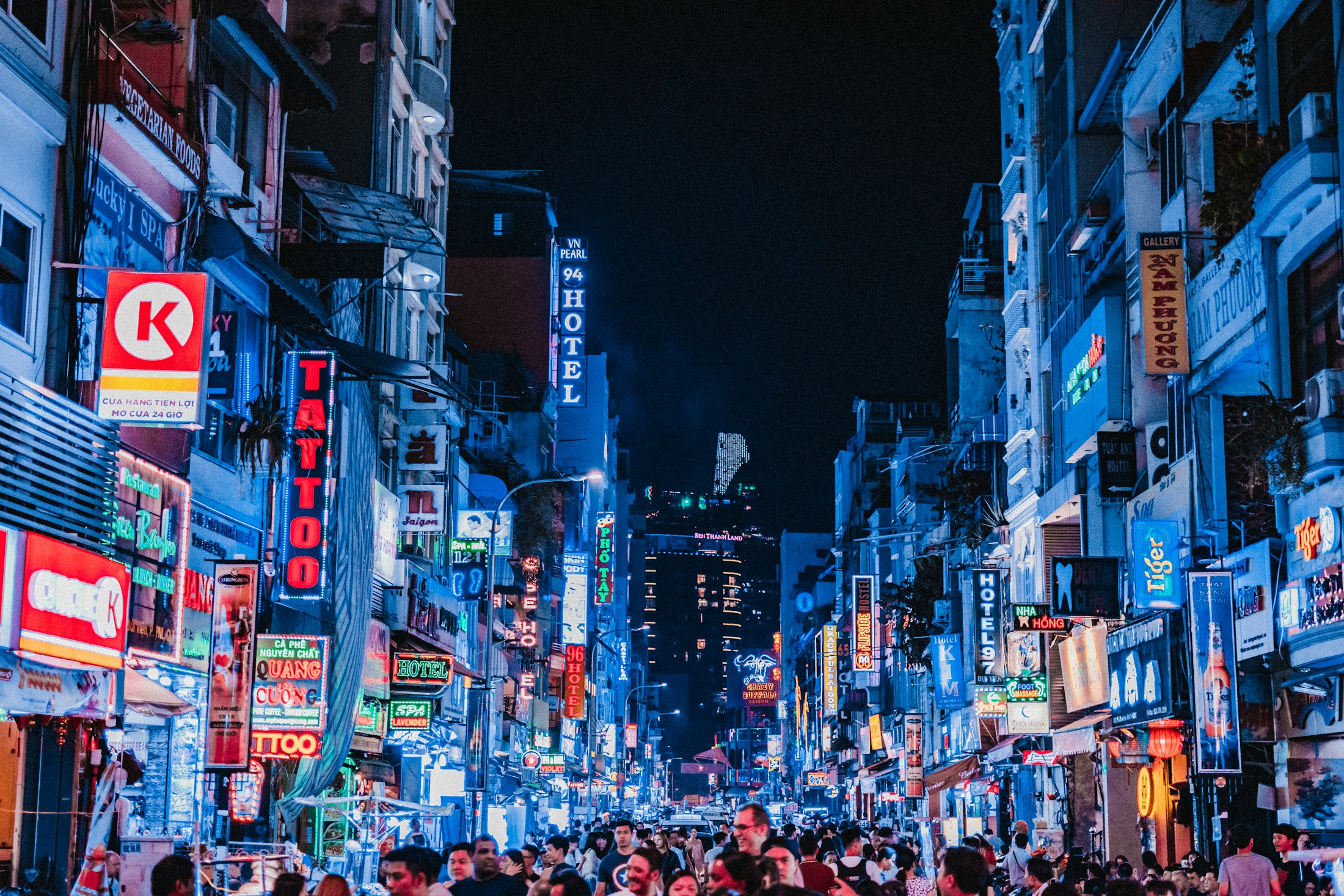
The 54 bus dropped me at the corner of Lê Đại Hành and Ngô Quyền at 6:15 a.m. on a Tuesday. The air was already heavy, pre-monsoon thick, and the first thing I smelled was star anise cutting through diesel. District 10 doesn't try to sell you anything. It's one of Saigon's Khmer-inflected neighborhoods — more Theravada temples than cocktail bars, more motorbike repair shops than boutique hotels — and in the mornings, it runs on bò kho.
Bò kho is beef stew. That's underselling it, but also not. Chunks of beef shin braised with lemongrass, annatto seed, and cinnamon until the collagen surrenders. Served with either a torn baguette or rice noodles, sometimes both if you ask. It costs between 35,000 and 55,000 VND depending on the stall. For context, that's less than the iced coffee you'll inevitably buy afterward.
1. What makes District 10 bò kho different
Most bò kho in Saigon leans sweet. The tourist-corridor versions in District 1 often taste like someone poured a can of tomato soup into a stockpot, added coconut water, and called it heritage. District 10's Khmer-influenced stalls go heavier on dried spice — more cassia bark, more black cardamom — and lighter on the sugar.
The broth is darker here. Almost the color of strong tea. Some cooks add a knob of fermented shrimp paste that makes the whole thing smell like something you'd hesitate over but then eat three bowls of. I have done this.
The carrots are cut bigger. That's not a metaphor. I just noticed it across four different stalls.
2. Bò Kho Cô Ba on Nguyễn Tri Phương
The stall I kept returning to sits at 352 Nguyễn Tri Phương, near the intersection with Bà Hạt. No sign says "Cô Ba" — that's the name regulars use for the woman who runs it. She's been there since at least 2011 according to the guy who fixes motorbike tires next door, though she seems indifferent to her own timeline.
A bowl of bò kho with bánh mì runs 40,000 VND. With hủ tiếu noodles, same price. She serves from around 6 a.m. until the pot's empty, which is usually 9:30 or 10. The bread comes from somewhere nearby — still warm, crust shattering when you tear it — and she dunks one end into the broth before handing it over, which I'd never seen done for me before.
The beef is shin, cut into pieces the size of a child's fist, braised long enough that they hold their shape but give way completely against a spoon. She doesn't offer chili oil. There's a jar of sliced bird's-eye chili in vinegar on the table. Use it.
Pro tip: Get there before 7:30. By 8, the construction workers from the nearby sites have cleaned out the best pieces of tendon.
3. Skip the bò kho at Bến Thành Market
I'll say it plainly: the bò kho stalls inside Bến Thành Market are not worth your time or your 80,000 VND. The markup is tourist-tax steep and the stew sits in warmers for hours. The broth develops that flat, reheated quality — still technically edible, but stripped of the volatile aromatics that make the dish worth eating at dawn.
Take the 52 bus from Bến Thành to District 10. It's twenty minutes. You'll survive.
4. The Khmer pagodas you'll pass on the way to breakfast
District 10 has several active Khmer Theravada pagodas, and if you're walking from the bus stop toward Nguyễn Tri Phương in the early morning, you'll likely pass Chùa Candaransi on Trần Nhân Tôn. Monks in saffron robes collecting alms at 6 a.m. The gates are open.
I'm not going to tell you this is some kind of spiritual experience. It's a neighborhood temple doing neighborhood-temple things. But it contextualizes the food — the Khmer community here has shaped the spice profiles, the morning rhythms, the way breakfast is communal and early and over by mid-morning.
Frangipani trees dropping flowers onto concrete.
Pro tip:Remove your shoes before entering any pagoda building. Cover your shoulders. This shouldn't need saying, but I've watched people get it wrong.
5. Where to stay if you want to eat in District 10
District 10 has almost no hotels marketed to international visitors, which is part of why it still works. Your best bet is to stay in District 3 or the northern end of District 1 and take a bus or Grab bike over. The 54 and 52 lines both connect District 1 to District 10 reliably.
Last time I was there in March, I stayed in a no-name guesthouse on Nguyễn Đình Chiểu in District 3 for 380,000 VND a night. Clean enough. Air conditioning that worked. Twelve minutes by motorbike to Cô Ba's stall. The hotels closer to the backpacker zone on Bùi Viện will cost you more and put you farther from everything in this article.
District 3 has a handful of mid-range options along Võ Văn Tần that keep you within striking distance of District 10 without the noise of District 1's center.
Pro tip: Grab bike, not Grab car. Morning traffic on Nguyễn Tri Phương is dense, and a motorbike cuts through it. Expect to pay 15,000-25,000 VND from District 3.
Stay in Ho Chi Minh City
Top-rated hotels near Ho Chi Minh City
Best locations · Verified reviews · Free cancellation
View deals
Expedia →6. The after-stew cà phê sữa đá situation
After bò kho, you need iced coffee. Not want. Need. The fat and spice coat your mouth in a way that only strong, sweet, cold coffee seems to cut through.
There's a cà phê cóc — literally "toad coffee," meaning a sidewalk stall with plastic stools low enough to make your knees hit your chest — about forty meters south of Cô Ba on the same side of Nguyễn Tri Phương. No name on it either. A cà phê sữa đá is 18,000 VND. The woman who runs it uses a phin filter, not a machine, so it takes four minutes. You sit there and watch the street fill up.
People will tell you to go to the cà phê chains for a better atmosphere. Those people are wrong. The atmosphere is this: a small glass, condensed milk pooled at the bottom, coffee dripping through aluminum, and a District 10 morning that hasn't yet decided whether it's going to rain.
7. Monsoon timing, and why it matters for breakfast stew
Saigon's monsoon season runs roughly May through November, and bò kho — hot, heavy, spice-laden — makes the most sense when rain is hammering the corrugated awnings overhead. Eating beef stew in 95-degree dry-season heat is fine. Eating it while a monsoon downpour floods the gutters outside is correct.
The stalls don't change their hours for rain. But rain changes you. Everything slows down. The streets empty for ten minutes during a hard burst, and suddenly you're the only customer at a stall that was crowded five minutes ago, and the cook makes eye contact with you and ladles an extra piece of tendon into your bowl without being asked.
September and October are the wettest months. They're also the cheapest for flights into Tân Sơn Nhất. If you're planning a trip around food — and bò kho specifically — this is when to go. The shoulder-season logic that drives people toward March or April misses the point entirely.
Pro tip:Carry a thin packable rain jacket, not an umbrella. You'll be getting on and off motorbikes.
Stay in Ho Chi Minh City
Top-rated hotels near Ho Chi Minh City
Best locations · Verified reviews · Free cancellation
View deals
Expedia →Essential tips
Bus 54 runs from Bến Thành station along Nguyễn Tri Phương through District 10. Fare is 6,000 VND. Pay in cash on the bus — exact change helps.
If you want bánh mì with your bò kho instead of noodles, say 'bánh mì' when ordering. Most stalls default to noodles for Vietnamese customers but will assume bread for foreigners. Specify either way.
Monsoon rains typically hit in the afternoon, not the morning. Your 6-7 a.m. bò kho window is almost always dry, even in peak wet season.
District 10 stalls are cash only. ATMs along Lý Thường Kiệt dispense in 100,000 and 500,000 VND notes — break big bills at a Vinmart or Circle K before heading to a food stall.
Ready to visit Ho Chi Minh City?
Book your hotel, flights, and activities through our Expedia-powered search.


