In This Guide
- 1.The meatball carts that only make sense in the rain
- 2.Chùa Chandaransay and the breakfast you have to earn
- 3.Hủ tiếu nam vang at 5 a.m.
- 4.Where the Teochew sweet soups live
- 5.The logistics of eating here when it's flooding
- 6.A second pagoda kitchen, smaller and quieter
- 7.Bánh bò at the Cambodian market intersection
- 8.What you won't find here, and why that matters
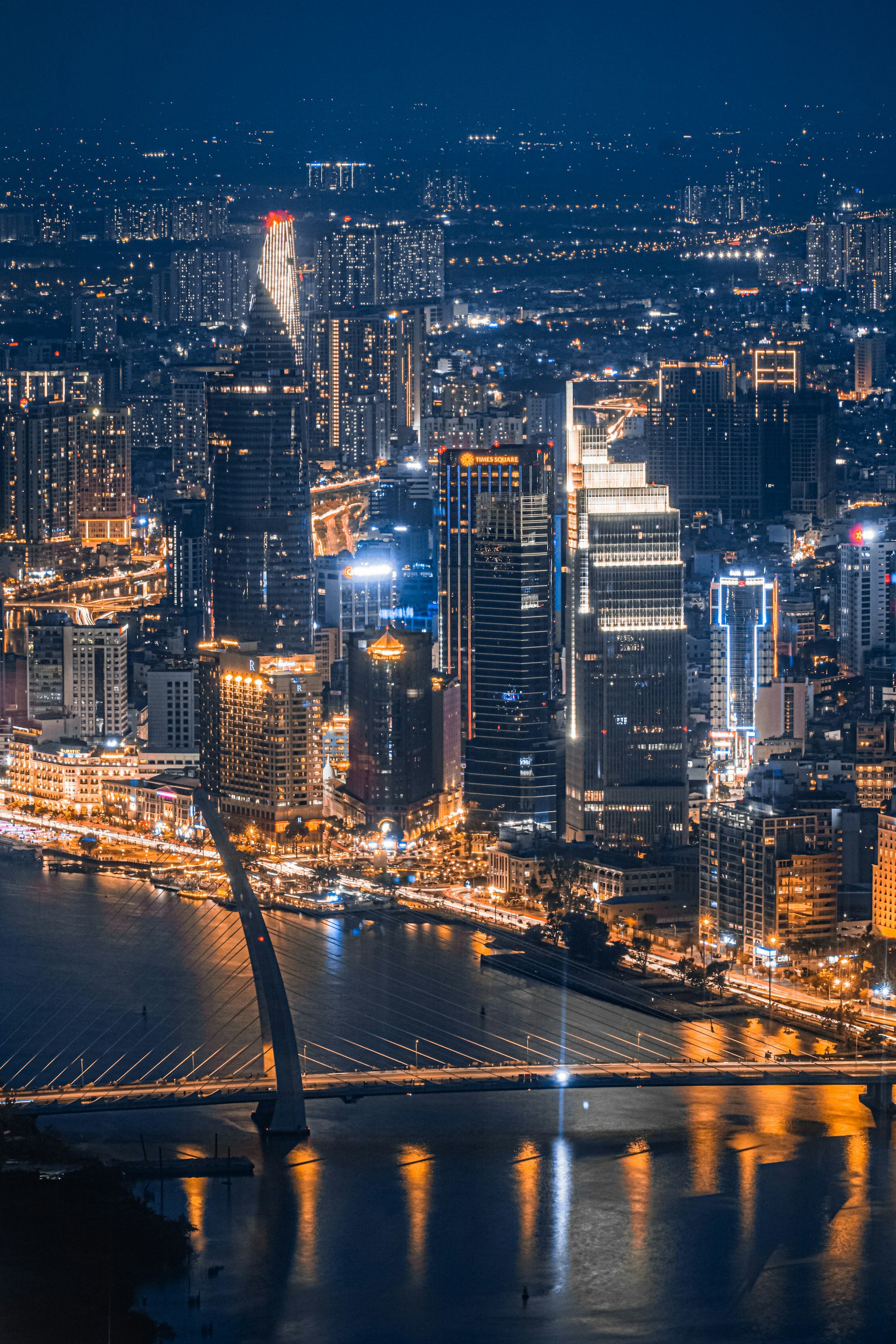
The rain started at 2 p.m. on a Thursday in District 6, the way it does from June through October — sudden, vertical, indifferent. Within three minutes the gutters along Bình Tiên Street were rivers, and the meatball carts were already rolling out their plastic tarps. This is the part of Saigon where the food doesn't pause for weather. It adjusts.
District 6 doesn't get much tourist traffic. The backpacker circuit stays east, orbiting Bùi Viện and Bến Thành. Over here the streets are narrower, the signage is in Vietnamese and Teochew and Khmer, and nobody is translating the menu for you. I came the first time in 2019 following a tip about a pagoda that served breakfast. I've been back four times since, mostly for the broth.
1. The meatball carts that only make sense in the rain
There's a specific genre of street cart in District 6 that sells bò viên — beef meatballs — from roughly 2 p.m. until the seller runs out, which during monsoon season tends to be around 7 p.m. The carts cluster along Bình Tiên and Hậu Giang streets, identifiable by the dented steel pots and the smell of star anise cutting through wet pavement.
The meatballs themselves are dense, almost rubbery in the way that signals they were pounded by hand rather than processed. You eat them in a bowl of clear broth with a few rice noodles and a plate of herbs you assemble yourself — sawtooth coriander, Thai basil, bean sprouts still cold from whatever cooler they came out of. A bowl runs 25,000–35,000 VND depending on how many meatballs you want. The default is five.
I've seen food bloggers rank the Bến Thành market bò viên stalls higher. They're wrong. The market versions tend toward softer, blander meatballs engineered not to challenge anyone. The District 6 carts use more tendon, more chew. You notice the difference on the third bite.
Pro tip: Look for carts where the broth pot has a dark ring of residue near the waterline — it means the stock has been reducing for hours, not topped off with water every twenty minutes.
2. Chùa Chandaransay and the breakfast you have to earn
Chùa Chandaransay is a Khmer Theravada pagoda on Trần Văn Kiểu in Ward 10. The main hall is painted in that yellow-gold that Khmer temples use, peeling slightly at the eaves. On weekends and Buddhist holidays, the pagoda kitchen opens to the community.
The food is vegetarian, served on metal trays, and you don't order. You sit on the floor of a covered pavilion and someone brings you what was cooked that morning — usually a curry with jackfruit or banana blossom, a plate of morning glory stir-fried with fermented tofu, rice, and a soup that changes daily. The meal is free, offered as part of the temple's dana tradition. You leave a donation in the box near the entrance.
The kitchen serves early, often by 6:30 a.m., and the food is gone by 8. This is a functioning place of worship, not a restaurant. Cover your shoulders.
Pro tip:The pagoda is most active during Sene Dolta, the Khmer memorial festival, usually in September or October. The kitchen expands to serve hundreds, and dishes appear that don't show up on regular weekends.
3. Hủ tiếu nam vang at 5 a.m.
District 6 has one of the highest concentrations of hủ tiếu nam vang — Phnom Penh-style pork noodle soup — in the city. The dish crossed borders with Teochew-Khmer families decades ago and settled here.
The version I keep returning to is at a shop on Bà Hom Street, no English sign, just a woman and her daughter working a single burner behind a glass case of raw ingredients. The noodles are thin and translucent, the broth clear with a pork-bone sweetness that stays on the roof of your mouth. On top: ground pork, sliced pork liver, a few shrimp, fried garlic, and Chinese celery. A bowl costs 40,000 VND. They open at 5 a.m. and close when the pot is empty, usually before 10.
Skip the hủ tiếu places along Nguyễn Trãi in District 5 that show up on tourist lists. They're fine. They're also twice the price and half the intensity. The broth there has been diluted for wider appeal.
4. Where the Teochew sweet soups live
Chè is everywhere in Saigon, but the Teochew-influenced dessert soups in District 6 lean toward the savory edge of sweet. Less coconut milk, less pandan. More ginger, more dried longan, more black sesame.
There's a stall on Phạm Văn Chí that serves a black sesame chè so thick it coats the spoon like warm paint. It's served hot even in the humidity, which sounds punishing but works — the heat of the soup and the heat of the air canceling each other out, the way a hot bath in summer can. A bowl is 15,000 VND. The stall has four plastic stools and a single fluorescent tube.
I made the mistake of ordering the mixed chè option on my second visit, assuming variety would be interesting. It wasn't. The flavors muddied each other. The black sesame on its own is the thing.
Pro tip: Ask for extra ginger syrup (thêm nước gừng). It cuts the richness and adds a slow burn at the back of the throat.
Stay in Ho Chi Minh City
Top-rated hotels near Ho Chi Minh City
Best locations · Verified reviews · Free cancellation
View deals
Expedia →5. The logistics of eating here when it's flooding
District 6 floods. Not metaphorically. From July through October, heavy rain can put six inches of water on Bình Tiên and parts of Hậu Giang within an hour. The locals don't stop eating — they roll up their pants and wade to the cart.
Waterproof sandals or shoes you don't care about. Flip-flops are tempting but dangerous on the slick pavement. A lightweight rain jacket beats an umbrella because you'll need both hands free for the bowl. The water recedes fast, usually within 90 minutes of the rain stopping, so you can also just wait it out under an awning with a cà phê sữa đá from whatever café is closest.
6. A second pagoda kitchen, smaller and quieter
Chùa Pothivong on Ngô Nhân Tịnh Street operates a smaller kitchen than Chandaransay. Fewer people know about it, which means you're sometimes eating with six or seven others instead of forty.
The cooking here skews toward Khmer home food rather than temple-occasion food. On one visit I was given a plate of prahok ktis — a thick dip of caramelized pork and fermented fish paste — alongside raw vegetables and rice. Salty and funky enough to make my eyes water. I ate the entire plate. The cook, an older woman in a blue sarong, seemed pleased.
The pagoda is small. One main hall, a courtyard with a bodhi tree, a kitchen that's really just a covered outdoor area with gas burners. The food is offered on weekends but not on a strict schedule. Showing up before 7 a.m. improves your odds.
Pro tip: Bring a small cash donation — 50,000 to 100,000 VND is appropriate. These kitchens run on community contributions, not grants.
Stay in Ho Chi Minh City
Top-rated hotels near Ho Chi Minh City
Best locations · Verified reviews · Free cancellation
View deals
Expedia →7. Bánh bò at the Cambodian market intersection
Near the intersection of Hậu Giang and Minh Phụng, a woman sells bánh bò — steamed rice cakes with a honeycomb interior — from a glass-fronted cart starting around 3 p.m. The cakes are warm, faintly sweet, with a fermented tang from the rice batter's overnight rise.
They cost 5,000 VND each. That's the transaction.
She also makes a pandan version that turns the whole cake pale green. Skip it. The pandan masks the sour note that makes bánh bò interesting in the first place.
8. What you won't find here, and why that matters
District 6 has no craft cocktail bars. No restaurants with English menus laminated in plastic. No one will ask if you want your phở with or without cilantro. The assumption is that you know what you're doing, or that you'll figure it out by watching the person next to you.
This is not a complaint. It's a relief.
Most of the food writing about Saigon funnels people toward Districts 1 and 3, or to the organized food tours that hit the same seven stalls. Those tours aren't bad — some are quite good — but they produce a version of the city that's been pre-digested. District 6 hasn't been smoothed down yet. The menus are handwritten on cardboard. The stools are low enough to make your knees ache.
Pro tip:If you don't read Vietnamese, download Google Translate's camera function before you go. Point it at the handwritten menus. The translations are imperfect but usually good enough to distinguish pork from beef from fish.
Essential tips
Grab bike is the easiest way to reach District 6 from the tourist districts. A ride from Bến Thành Market takes 15–20 minutes and costs around 25,000–40,000 VND depending on traffic and rain.
Almost nothing in District 6 accepts card payment. Bring cash in small denominations — 10,000 and 20,000 VND notes. Breaking a 500,000 note at a street cart is a quick way to make someone's day worse.
The best eating window is 5–8 a.m. for noodle soups and pagoda kitchens, then 2–7 p.m. for meatball carts and dessert stalls. The midday gap is real — many vendors close between 10 a.m. and 2 p.m.
During monsoon months (June–October), wear shoes that can handle standing water. The street flooding is warm and murky. You do not want open cuts on your feet in it.
Ready to visit Ho Chi Minh City?
Book your hotel, flights, and activities through our Expedia-powered search.


