In This Guide
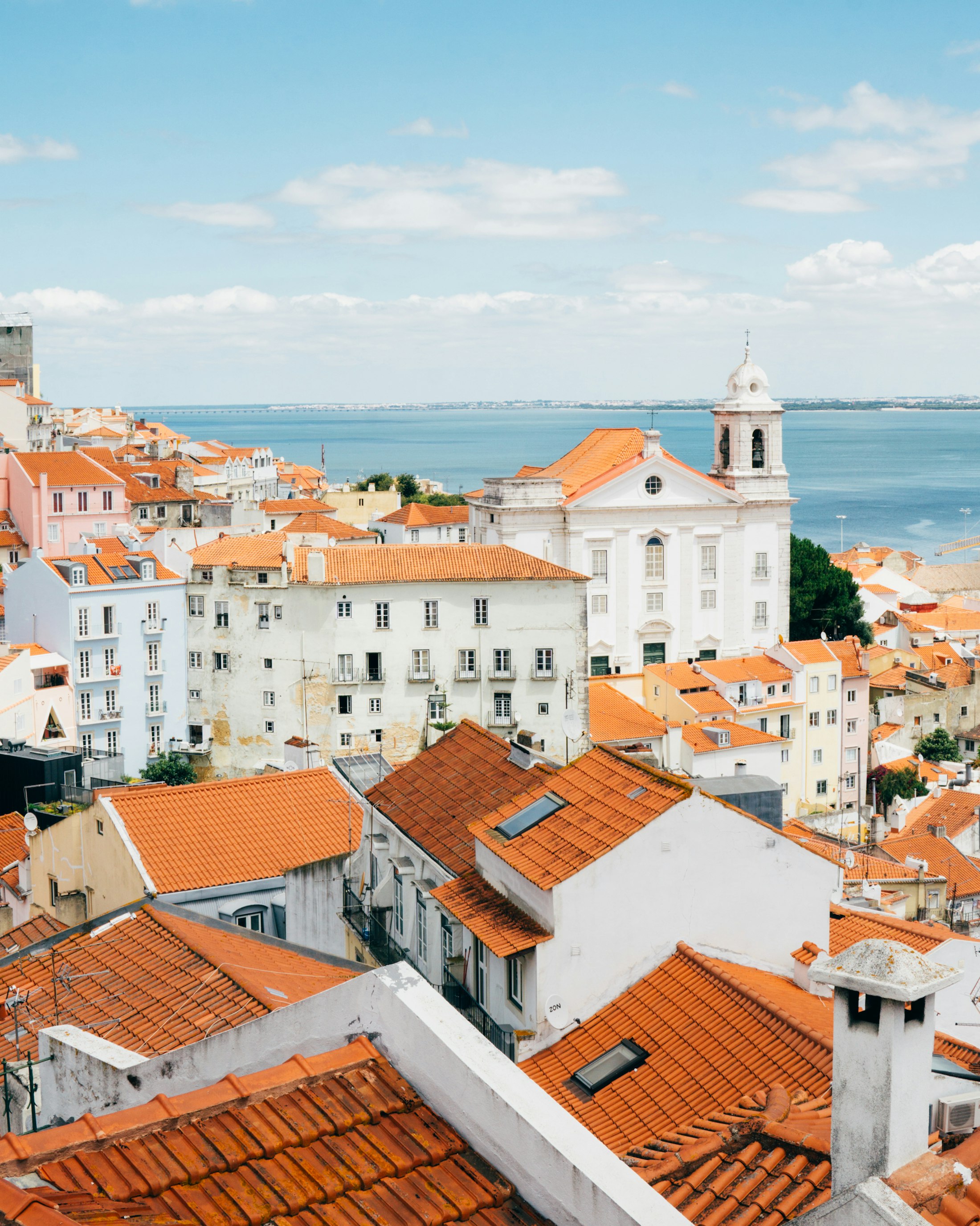
The saints have left Mouraria. By late July the bunting from Santo António is sun-bleached and half-fallen, the sardine smoke has cleared from Largo da Severa, and the neighborhood exhales into something slower and less performed. This is when I prefer it — after the festival crush but before August empties Lisbon entirely, when the fado houses run Thursday-to-Saturday instead of nightly and the woman at the corner tasca actually has time to tell you what's in the pot.
Mouraria doesn't photograph well, and I think that's the point. The streets are steep and cracked, laundry drips onto your head, and the graffiti oscillates between political and profane. It is the oldest part of Lisbon in a way the Alfama no longer is, because nobody has gotten around to making it convenient. You won't find tuk-tuks idling on Rua do Capelão. You'll find a man selling gizzards from a steam tray.
1. Start at O Velho Eurico, because you should eat before you climb
O Velho Eurico sits at the bottom of Mouraria's steepest tangle, on Largo de São Cristóvão, and the move is to get there by 12:30 before the four communal tables fill. The menu is whatever João decided to cook: cuttlefish stew, pork cheeks braised until they dissolve, sometimes a bacalhau à Brás that I'd argue against — too salty, under-egged — but people seem to love it. A plate with wine runs around €9-11. No reservations, no English menu, no particular interest in whether you can read the chalkboard.
I made the mistake of skipping lunch here on my first Mouraria visit in 2019 and ended up eating a tourist-menu francesinha near Martim Moniz that tasted like regret.
The café next door does a decent bica but charges €1.20, which in this part of Lisbon feels aggressive. Walk fifty meters uphill to Café da Mouraria on Rua dos Cavaleiros for €0.70 and a better cup.
Pro tip:João closes on Sundays and sometimes Mondays without warning. If the metal shutter is down, don't wait — head to Tasca do Chico on Rua dos Remédios in Alfama instead, which does a solid lunch service.
2. The fado question, answered honestly
Everyone will tell you Mouraria is the birthplace of fado. This is approximately true and functionally useless, because the fado you'll hear in Mouraria in late July is sparse. Most of the casual sessions — the ones where a singer just stands up in a tasca and the room goes quiet — happen during cooler months or around festival time. In the summer lull, what remains are a few scheduled houses and the occasional spontaneous performance at Tasca do Chico's Mouraria outpost on Largo de São Cristóvão (different from the Alfama branch; smaller, hotter, better).
Sessions here start around 9:30 p.m. on Thursdays and Saturdays. Show up by 9 or you're standing in the doorway. There's a loose minimum of one drink per set, and the house wine is fine.
Skip Mesa de Frades unless you enjoy paying €35 minimum for atmosphere that feels like a stage set. The acoustics are beautiful, I'll grant that, but the crowd is there to say they went, and the singers know it. Fado needs a room that's a little ugly to land properly.
3. Rua do Capelão and the logic of walking uphill
Mouraria's geography is vertical and disorienting, and the calçada portuguesa underfoot gets slippery in ways that will test any shoe you own. Rua do Capelão climbs from Largo da Severa — where a tile mural of the famous fadista Maria Severa stares across at a shuttered grocery — up toward the Castelo de São Jorge, though you shouldn't think of it as a route to the castle. Think of it as the route itself.
Halfway up, the street opens into uneven terraces where elderly residents sit on plastic chairs and kids kick balls against walls tagged with the names of local rappers. No signage. No café. Just the weight of a neighborhood that has been poor for a long time and knows it.
Above this, near the intersection with Rua Marquês de Ponte de Lima, someone has built a small shrine to Nossa Senhora da Saúde into the wall. Plastic flowers, a battery-operated candle, a photograph of a woman I couldn't identify. It's the kind of thing you'd walk past in ten seconds if you were heading somewhere. In late July, you shouldn't be heading somewhere.
Pro tip:Wear flat shoes with rubber soles. I've watched two people fall on the polished stone within a single afternoon. Flip-flops are an injury waiting to happen on these grades.
Stay in Lisbon
Top-rated hotels near Lisbon
Best locations · Verified reviews · Free cancellation
View deals
Expedia →4. Martim Moniz is not Mouraria
I'll say it plainly: Martim Moniz square is where most visitors think Mouraria begins, and most visitors are wrong. The square is a concrete slab surrounded by phone-repair shops and franchise restaurants that serve four cuisines badly. The weekend market can be interesting — Bangladeshi street food, Mozambican grilled chicken — but the permanent infrastructure of the praça has the soul of a bus terminal.
The actual entry into Mouraria is one block northeast, where Rua da Mouraria starts its climb and the shopfronts switch from SIM-card vendors to tiny Indian-run groceries selling fresh curry leaves and jaggery by the kilo. Mercearia Marisol on Rua da Mouraria has a refrigerator case of paneer and ghee that would be unremarkable in Southall but feels like a small miracle in central Lisbon.
5. What to do with a late afternoon
By 4 p.m. in late July the sun has turned Mouraria's west-facing walls into radiators, and the sensible thing is to do what the residents do: disappear indoors or find shade. The courtyard at Largo dos Trigueiros, a few steps below the castle wall, has a massive fig tree that throws enough shadow for three benches. Bring water. Bring a book. Nobody will bother you.
If you need structured activity, the small gallery at Largo do Intendente — technically Intendente, not Mouraria, but the neighborhoods blur — rotates exhibitions of Lisbon-based artists and charges nothing. Hours are erratic in summer; I've found it open as late as 7 p.m. on weekdays and locked tight on a Saturday for no posted reason.
For dinner, walk downhill to Zé da Mouraria on Rua João do Outeiro. The grilled dourada is correct — whole fish, olive oil, boiled potatoes, a salad you didn't ask for but will eat. Around €14 with a glass of white. The room fits maybe twenty people and the TV is always on.
Pro tip:Zé da Mouraria gets a second wind around 9:30 p.m. when neighborhood regulars arrive. If you eat early (7:30), you eat in peace. If you eat late, you eat in company. Both are good, but they're different meals.
Stay in Lisbon
Top-rated hotels near Lisbon
Best locations · Verified reviews · Free cancellation
View deals
Expedia →6. The sound of nothing happening
Late July nights in Mouraria are quiet in a way that surprises people who associate Lisbon with noise. The fado isn't playing. The festival PA systems have been packed away. What's left is the specific acoustic texture of a southern European neighborhood at rest: a television through an open window, a motorbike climbing a distant hill, someone arguing about football on a balcony three floors up.
I think Mouraria is better without its soundtrack. The fado industry — and it is an industry now, whatever purists say — has turned this neighborhood into a backstory, a paragraph in someone else's brochure. In late July, with the tourists in the Algarve and the singers on break, Mouraria is just a place where people live. Old women water geraniums. A kid sells you a Sagres from a cooler for €1.50.
That's enough.
Essential tips
Take the green metro line to Martim Moniz, then walk northeast on Rua da Mouraria. Ignore the square itself — it's not the neighborhood.
Carry water. There are almost no public fountains on the climb through upper Mouraria, and in late July afternoon temperatures sit around 33-36°C.
Most tascas in Mouraria are cash-only or cash-preferred. ATMs cluster around Martim Moniz; once you're uphill, there's nothing.
Lunch windows are short — 12:30 to 2:00 in most local spots. Arrive at 1:45 and the kitchen may already be closed. Dinner reopens around 7:30.
Ready to visit Lisbon?
Book your hotel, flights, and activities through our Expedia-powered search.

