In This Guide
I was standing in a converted garage on Saint-Urbain, drinking a pétillant naturel made from grapes grown four hundred kilometers away in the Eastern Townships, and the winemaker was telling me about the time his whole batch refermented in July and blew the corks off sixty bottles in the night. This is Montreal's wine scene now — scrappy, experimental, occasionally explosive. The city has no vineyards within its limits and no historical claim to winemaking whatsoever, which is exactly why the people making wine here are so interesting. They have nothing to protect.
I came for the urban wineries and stayed, as I always do in Montreal, for the food. Specifically for the chanterelles at Jean-Talon Market at 7 a.m. on a Saturday in September, when the Quebec forest mushroom season is at full tilt and the air smells like damp earth and someone's grandmother is already arguing about the price of cornichons three stalls down.
1. Loup Rouge and the garage-wine gospel
Loup Rouge sits in Mile-Ex, the post-industrial stretch north of the Mile End where auto shops and screen-printing studios are slowly becoming tasting rooms. The space is raw — concrete floor, fluorescent tubes, steel tanks visible behind a half-wall — and the wine matches. They do small-batch natural wines, unfiltered, with minimal sulfites, and the results range from thrilling to challenging depending on your tolerance for funk.
I tried their white blend, a mix of Frontenac Gris and Seyval Blanc, and it tasted like green apple and wet stone and absolutely nothing like what most people expect Canadian wine to taste like. A glass will run you around $12 at the bar. The staff will talk to you about malolactic fermentation for as long as you let them, which I find endearing but my travel companion did not.
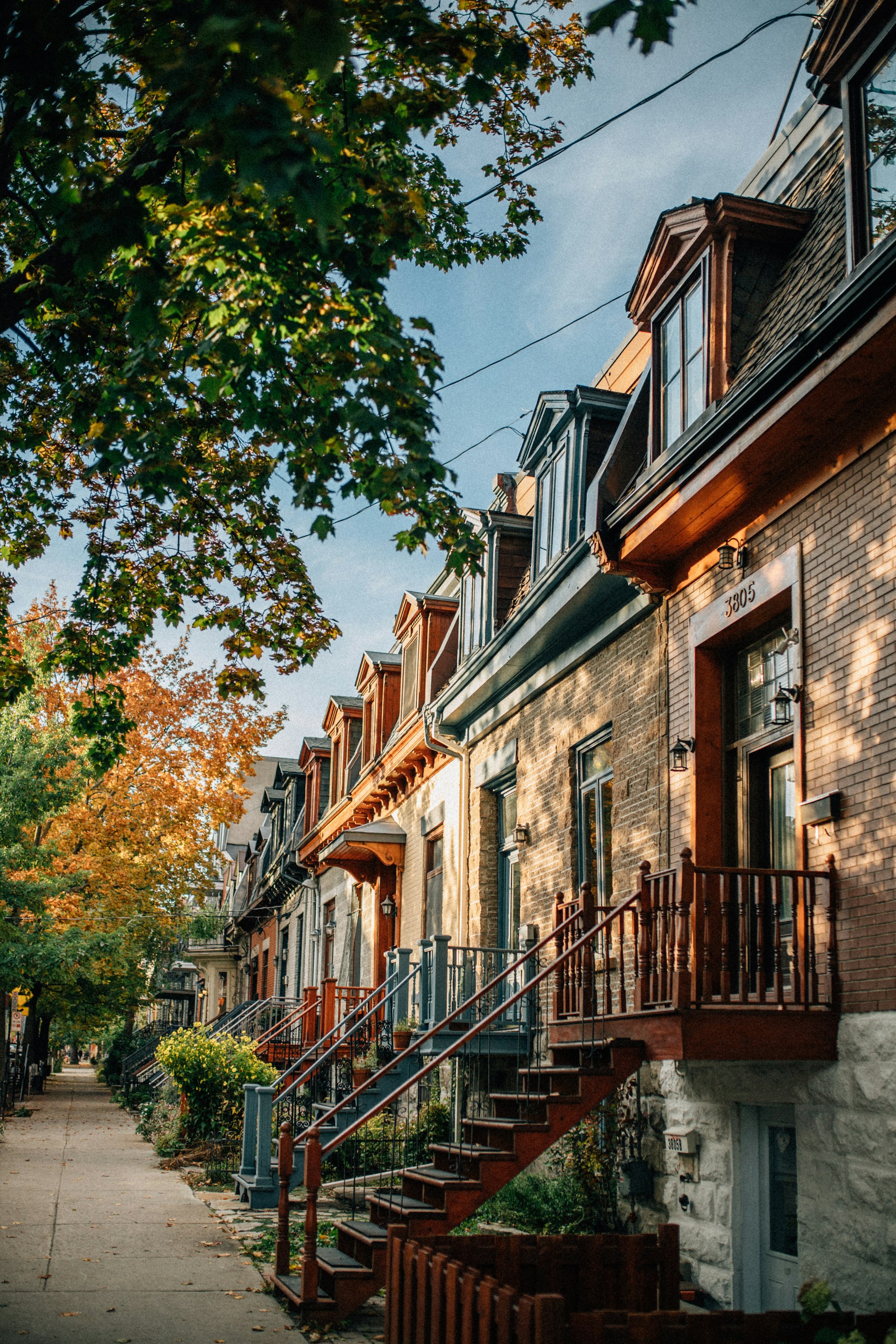
Rue Saint-Urbain between Jean-Talon and de Castelnau has that specific Montreal energy where a Portuguese churrasqueira, a Haitian patisserie, and a DJ equipment shop coexist on the same block without anyone writing a think piece about it.
Pro tip:Loup Rouge's hours are limited — they're typically open Thursday through Sunday, but check their Instagram before you go. They don't always update their website.
2. Jean-Talon Market before the crowds ruin it
Skip Jean-Talon after 10 a.m. on weekends. It becomes a slow-moving current of strollers and selfie sticks and people blocking the aisles to photograph tomatoes they have no intention of buying. Come at 7. The vendors are still setting up, the selection is better, and you can actually have a conversation with the person selling you mushrooms.
The chanterelles arrive in late August and run through October if the rains cooperate. Birri, the mushroom vendor near the north entrance, sells them loose by weight — expect to pay around $30-40 per pound depending on the week. Last September I bought a paper bag of golden chanterelles so fragrant I could smell them through my backpack on the métro ride home. I sautéed them in butter with shallots in my Airbnb kitchen and ate them on toast at 9 a.m. and considered it the best meal of the trip, which tells you something about the rest of the restaurants I tried that week.
Beyond mushrooms: the small Québécois producers at Jean-Talon sell ground cherries in late summer, fiddleheads in spring, and bags of cranberries from Centre-du-Québec in fall. The market is at 7070 Avenue Henri-Julien.
Pro tip:Bring cash for the smaller vendors. Several of the seasonal farmers don't take cards, or they take them reluctantly with a $10 minimum.
Stay in Montreal
Top-rated hotels near Montreal
Best locations · Verified reviews · Free cancellation
View deals
Expedia →3. Grape Crush: the festival nobody outside Quebec talks about
Here's my contrarian take: Grape Crush, Montreal's annual natural wine fair, is a better wine event than most of the famous ones in Europe. I've been to RAW in London and La Dive Bouteille in the Loire and neither had the energy of Grape Crush, where Québécois winemakers pour next to producers from the Jura and Georgia and everyone is crowded into a warehouse space and nobody is pretending to be important.
The festival typically runs in late November. Tickets have historically been around $60-70 and include all tastings. It sells out. The crowd skews young, opinionated, and deeply uninterested in conventional wine scores. You will hear the word "glou-glou" more times than you thought possible.
With maybe forty or fifty producers in the room, you're tasting directly from the people who made the wine, and most of them are happy to explain why their rosé is orange or why their red smells vaguely like a barnyard. If that description puts you off, natural wine events are probably not your thing, and that's fine.
4. Where to drink what you've learned to love
Cul-Sec on Avenue du Mont-Royal Est is the bar I keep coming back to. The wine list changes constantly, the staff knows every bottle, and the small plates — cured meats, marinated vegetables, cheese from Fromagerie Hamel — are right for an evening that starts at 6 and ends whenever. Glasses start around $14.
Skip Pullman Bar à Vin on Avenue du Parc. It's the consensus pick for best wine bar in the city, and I'll concede the by-the-glass list is extraordinary, but the room feels like it's trying too hard. Too much dark wood. Too many people in blazers. I'd rather drink a slightly cloudy Gamay at Cul-Sec next to someone in a Canadiens hoodie.
For bottles to take home, the SAQ Sélection locations carry a decent range of natural and biodynamic wines, but the real finds are at private import tastings and pop-ups, which cycle through Mile-Ex and Villeray. Follow @vabordeaux and @vifrancemtl on Instagram for schedules.
Pro tip:At Cul-Sec, sit at the bar if you're alone or in a pair. The tables fill up fast on Thursday and Friday nights, but bar seats turn over quicker.
5. The food that goes with all this wine
You cannot separate Montreal's wine moment from its food. The two grew up together in the same scraggly Mile-Ex soil.
Elena on Rue Notre-Dame Ouest does a tasting menu that changes with the Quebec seasons, and the wine pairings lean natural without being dogmatic about it. Expect $100+ per person before drinks — but the sourcing is meticulous, and they've done things with root vegetables in January that made me briefly forget it was minus twenty outside.
Dinette Triple Crown on Rue Rachel Est serves fried chicken and natural wine in a space the size of a subway car. The hot chicken sandwich is $18 and comes with a slaw that has real bite to it. There's a reason the line starts before they open on Saturdays.
I made the mistake of trying to do both in one evening once — tasting menu at Elena, then "one more glass" at Dinette Triple Crown — and I woke up the next morning feeling like I'd been gently hit by a Bixi bike.
Pro tip: Elena requires reservations, often a week or more out for Friday and Saturday. Book before you fly.
Stay in Montreal
Top-rated hotels near Montreal
Best locations · Verified reviews · Free cancellation
View deals
Expedia →6. The morning after, and why you need it
After all that wine, you need a Montreal breakfast, which means you need a café that takes eggs seriously and serves coffee strong enough to restart your circulatory system.
Regular coffee at Olimpico on Saint-Viateur. No latte. No oat milk. Just the dark espresso-based drip that the Italian nonnas in the neighborhood have been drinking since 1970. Take it standing at the counter if there's no seat.
Then walk. Through Parc Jeanne-Mance if the weather allows, or down Saint-Laurent below Sherbrooke where the bagel shops and the vintage stores and the remains of old Montreal nightlife coexist in a state of permanent, comfortable friction. The city metabolizes its own past without sentimentalizing it, which is something I wish more places knew how to do.
Essential tips
Most natural wine bars in Montreal don't list wines on Google Maps or their websites — the list changes too fast. Ask the sommelier what just came in rather than hunting for a specific bottle.
Jean-Talon Market is directly above the Jean-Talon métro station on the Blue Line. If you're coming from downtown, transfer at Snowdon — it's faster than taking the Orange Line to Castelnau and walking.
Chanterelle season peaks in September but varies year to year with rainfall. If you're planning a trip around the mushrooms, check Quebec foraging forums in late August for early reports.
Wine-bar prices in Montreal are significantly lower than in New York or Toronto — expect $12-18 per glass for natural wines that would cost $22+ in Brooklyn. Budget accordingly and drink better.
Ready to visit Montreal?
Book your hotel, flights, and activities through our Expedia-powered search.


