In This Guide
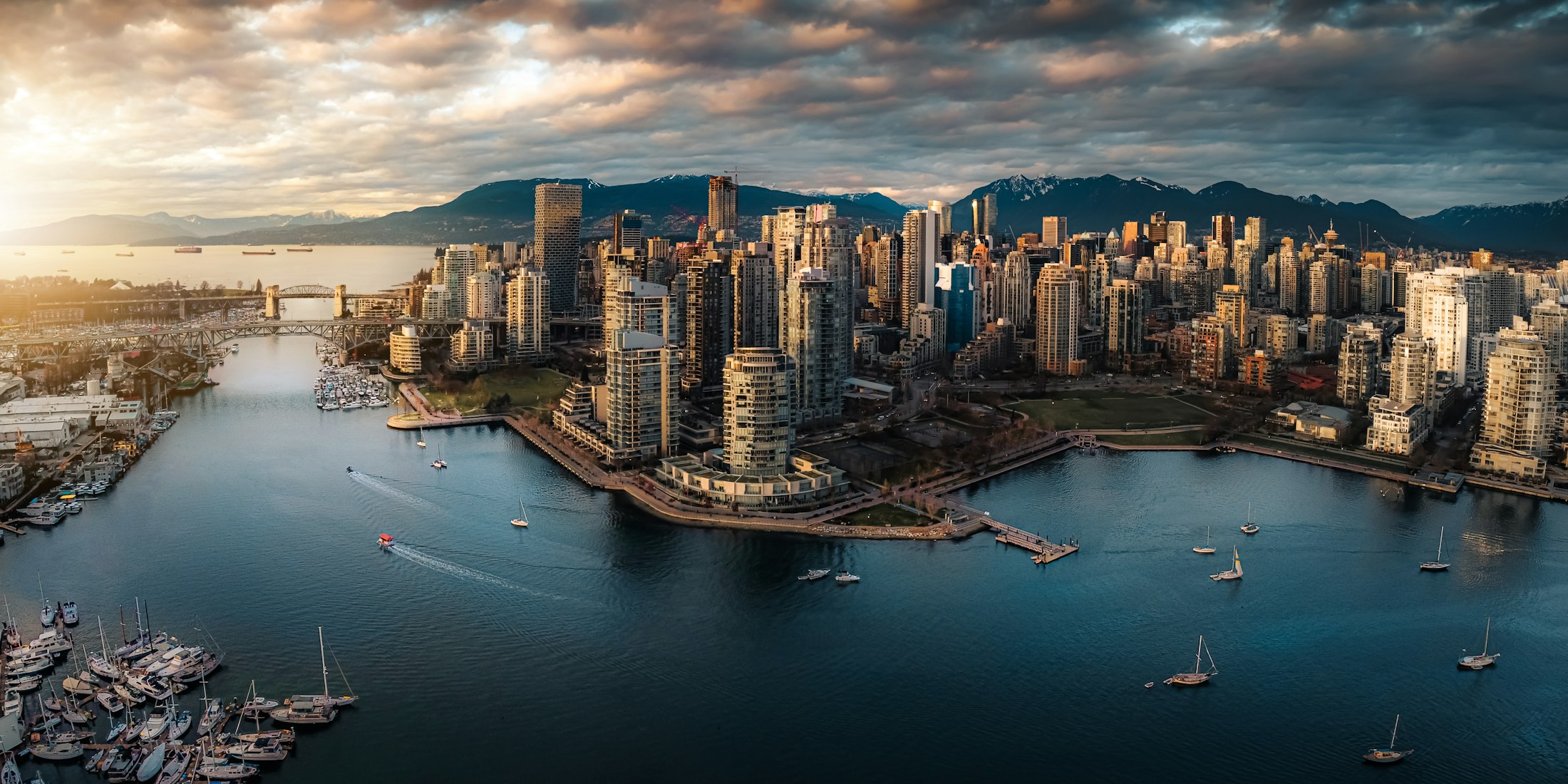
The alarm went off at 4:45 a.m. and I didn't hate it, which tells you something about what waits under the Granville Island Public Market awnings before the tour buses arrive. Sockeye season on False Creek runs roughly late June through August, and during those weeks the fishmongers at the market's south entrance are hauling whole fish onto ice while the rest of Vancouver is still asleep. The flesh is the color of a deep sunset — not the pale coral of farmed Atlantic salmon, and not the washed-out pink of frozen fillets that have traveled too far. This is the fish that defines the city's summer table, and the best way to understand it is to show up early, spend a few hours eating your way from raw dock-side sockeye to sake-paired nigiri, and leave before the afternoon crowds turn the aisles into a slow-moving parade of stroller traffic.
1. The fishmongers before 7 a.m.
Longliner Seafoods, on the market's western interior aisle, is where I always start. The staff will talk you through the difference between wild sockeye and wild coho without condescension, and they'll portion a whole fish for you in under two minutes if you ask. A whole sockeye typically runs $16–$22 CAD per pound during peak season, though prices swing depending on the catch — I've seen them jump $4 in a single week.
Skip the Lobster Man unless you're specifically after East Coast shellfish. The lobster rolls are fine, but people line up for twenty minutes during peak hours for something you could get faster and arguably better at any Halifax waterfront shack. You're here for Pacific fish.
The real trick is arriving before the market's official 9 a.m. opening. The fishmongers start setting up around 6:30, and if you're standing there looking interested and not in anyone's way, most of them will sell to you early. Last July I bought a side of sockeye at 6:50 a.m. from a vendor who hadn't even finished his coffee, and he threw in a handful of spot prawns because I was the first customer of the day. That kind of thing doesn't happen at noon.
Pro tip:Bring a small insulated bag if you're buying fish before breakfast — you'll want to keep walking and eating for another two hours, and July mornings warm up fast near the water.
2. Sake and sockeye at Edible Canada (and one place that does it better)
Edible Canada, at 1596 Johnston Street, is the spot most food writers point you toward for a sit-down sockeye dish on the island. The candied salmon is good. The smoked salmon chowder is good. Everything there is good in a way that feels slightly rehearsed, like a restaurant that knows exactly which publications have written about it and has calibrated accordingly. I don't dislike it. I just think you should eat there second.
Eat first at the Public Market's outdoor waterfront tables with a piece of sashimi-grade sockeye from the fish counter at Seafood City — they'll slice it for you if you ask nicely — and a cold can of something from the Artisan Sake Maker at 1339 Railspur Alley. Their Osake Junmai, around $7 CAD for a 200ml can, is dry and clean and works absurdly well with raw sockeye. It's one of the only sake producers in the country, and the tasting room is small enough that you can talk directly to whoever's pouring.
This pairing — raw fish, cold sake, morning light on False Creek with the Burrard Bridge in the distance — is the single best free-seating meal I've had in Vancouver. No reservation, no tip, maybe $20 all in.
Pro tip:The Artisan Sake Maker tasting room is closed Mondays. Check their hours if you're visiting midweek — they sometimes close early on Tuesdays too.
Stay in Vancouver
Top-rated hotels near Vancouver
Best locations · Verified reviews · Free cancellation
View deals
Expedia →3. What the smoking sheds smell like in August
Granville Island has a particular olfactory signature during sockeye season that I haven't encountered anywhere else: alder smoke, creosote from the old dock pilings, and the salt-mineral tang of fish being broken down in open air. Not delicate. Industrial and alive.
The Salmon Shop, inside the market near the east entrance, sells hot-smoked sockeye jerky that tastes like someone condensed an entire campfire dinner into a leathery strip. A 100g bag runs about $12 CAD. I buy three every time — one for the walk, two for the flight home. They also do a cold-smoked sockeye that's silkier and more traditional, but the jerky is the thing.
Plenty of people will tell you the smoked salmon at Granville Island is overpriced compared to buying it at a Lonsdale Quay vendor or even at a Save-On-Foods. They're not wrong about the math. But here you can watch the fish move from whole to filleted to brined to smoked within a hundred-meter radius, and that context changes the way it tastes — or at least the way you remember it tasting.
4. Staying long enough for the evening pour
Most visitors treat Granville Island as a morning destination and clear out by 2 p.m. Fair enough. But during sockeye season, the island has a second life after 5 p.m. when the market closes and the studios and bars take over.
Dockside Restaurant at the Granville Island Hotel serves a sockeye preparation that changes weekly during the run — last year it was a miso-glazed fillet with pickled daikon that I've thought about more than once since. The patio faces False Creek, and watching the water taxis cross back and forth while eating well-cooked fish with a glass of BC Pinot Gris is the kind of evening that makes you briefly furious at wherever you actually live. Mains hover around $34–$42 CAD.
Afterward, walk the seawall east toward the Aquabus dock. The light at 8:30 p.m. in late July does something specific to the water — turns it this flat, molten bronze — and the gulls are loud and theatrical. Nobody is trying to sell you anything. The island empties out and becomes, briefly, just a working waterfront again.
Pro tip:The Aquabus runs until 10:30 p.m. in summer and costs $3.75 CAD to cross to the West End side. It's a better exit than fighting for parking on Anderson Street.
Stay in Vancouver
Top-rated hotels near Vancouver
Best locations · Verified reviews · Free cancellation
View deals
Expedia →Essential tips
Sockeye season on False Creek peaks mid-July to mid-August, but the exact window shifts yearly based on the Fraser River run. Check the Pacific Salmon Commission's in-season estimates before booking your trip around a specific week.
Don't drive onto Granville Island before 9 a.m. on a Saturday — the one-lane entrance under the bridge backs up fast. Take the Aquabus from the foot of Hornby Street or the False Creek ferry from David Lam Park instead.
If you want to do a proper sake tasting at Artisan Sake Maker, go between 1–3 p.m. on a weekday. Weekend afternoons get crowded enough that the staff can't spend much time explaining the flights.
Most market fishmongers accept credit cards but a few of the smaller outdoor vendors are cash-only. Carry at least $40 CAD in bills if you want to graze without friction.
Ready to visit Vancouver?
Book your hotel, flights, and activities through our Expedia-powered search.


