In This Guide
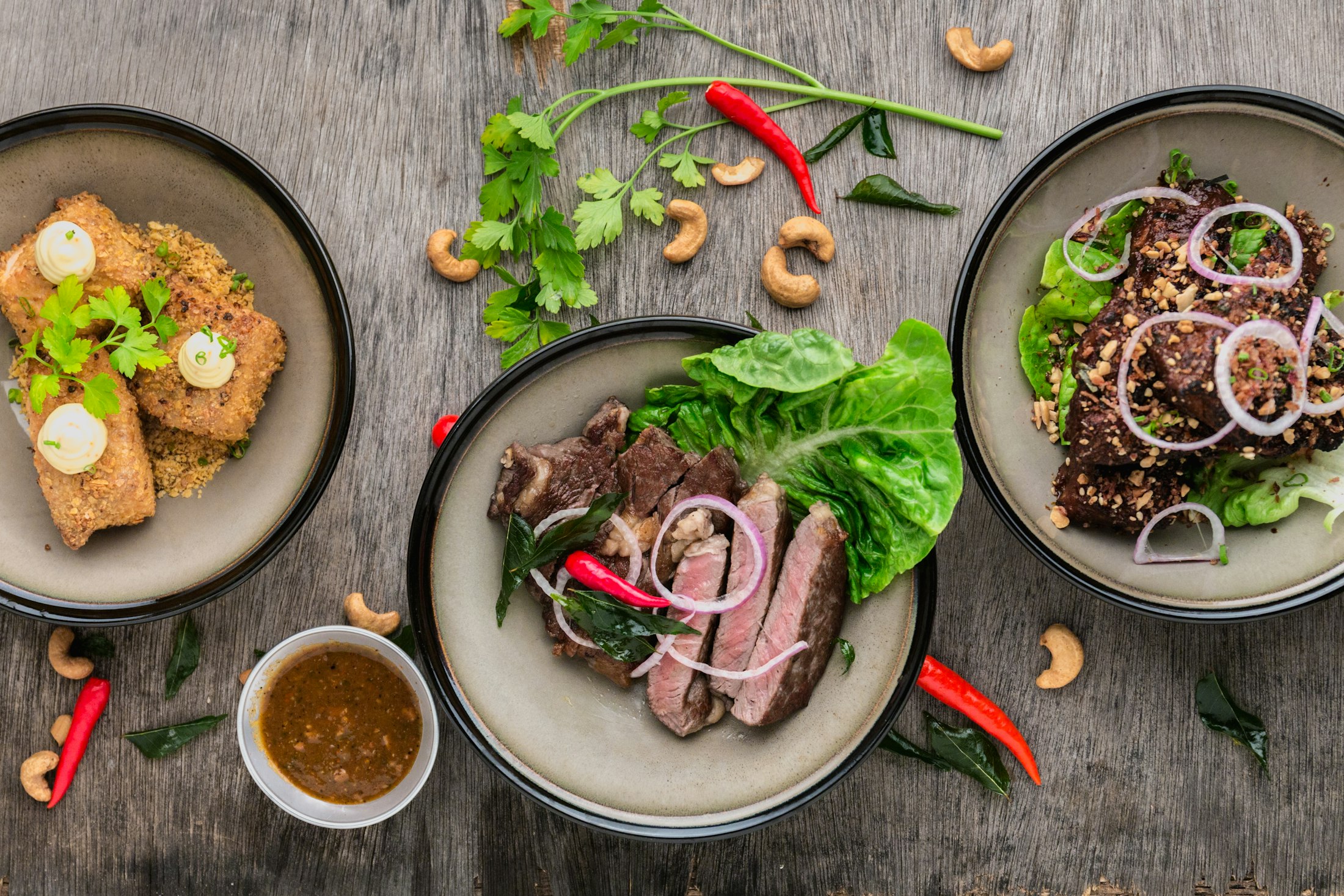
The smoke finds you before you find the grill. That's how San Sebastián works in July — the rain rolls through Mérida around 3 p.m., hard and fast, and when it clears, the charcoal fires come out. Poc chuc sizzling on blackened grates, the sour orange marinade cutting through wet air that still smells like pavement and lime trees.
San Sebastián sits south of the centro histórico, roughly bounded by Calles 59 and 69 running east-west, with Calle 74 as a loose southern edge. It's not where most tourists end up, which is part of why the food is priced for people who actually live here. I spent nine days in this neighbourhood last July, mostly because my Airbnb had a terrible lock and the landlord kept saying mañana. Ended up being the best accident of the trip.
1. The poc chuc situation on Calle 64
Poc chuc is pork pounded thin, marinated in sour orange and grilled over charcoal. Simple. The version you get in San Sebastián is not the same as what restaurants in Santa Lucía park serve tourists for 180 pesos. Here it runs 65–90 pesos a plate, and it comes with pickled onion that's aggressively purple and a bowl of black bean soup on the side.
The spot I kept returning to was a family operation on Calle 64 between 67 and 69 — no sign, just a corrugated metal roof and six plastic tables. They set up around 6 p.m. and close when the meat's gone, usually by 9. The grandmother runs the grill. The grandson takes orders and argues with his phone.
Skip the poc chuc at Restaurante Amaro up in the centro. It's fine, but you're paying three times the price for a plated version that lost the smoke somewhere between the kitchen and the courtyard. The whole point of this dish is the grill marks and the char.
Pro tip:Bring cash. Nobody on Calle 64's food row takes cards, and the nearest OXXO with a working ATM is on Calle 59 and 62.
2. July storms are the feature, not the bug
Most guides tell you to visit Mérida in the dry season. I think that's wrong. July's rain breaks the heat — temperatures drop from 38°C to 30°C in about twenty minutes — and the streets in San Sebastián drain fast because the colonial grid was actually engineered for runoff. You get maybe two hours of downpour, then the evening opens up cool and smelling like wet stone.
The trick is planning your day around it. Mornings are for walking. By 1 p.m. you want to be under a roof somewhere with a horchata. The rain hits, you wait it out, and then the neighbourhood comes alive around 5 p.m.
Bring real shoes. Not Tevas, not white sneakers. The sidewalks in San Sebastián are uneven limestone, and after rain they're slick enough to send you down hard. I watched a guy in Birkenstocks eat it on Calle 67.
3. Iglesia de San Sebastián and the park that actually has shade
The church anchors the neighbourhood at the intersection of Calles 59 and 68. Franciscan-era, pale yellow, usually locked during the week. What matters more is the park out front — Parque de San Sebastián — which has mature laurel trees dense enough to sit under at noon without wanting to die.
There's a bench culture here. Old men play dominoes. Women sell marquesitas from carts starting around 7 p.m., the crepe-like tubes filled with Edam cheese or Nutella, 25–35 pesos depending on filling. The Edam version is the one worth eating.
On weekend evenings, sometimes a jarana group sets up near the church steps. No schedule, no posted times. It either happens or it doesn't.
Pro tip: The marquesita carts cluster on the east side of the park. The one closest to the church corner consistently uses the crispiest batter — thinner, more caramelized.
4. What to drink when the air won't move
Fruit stands on Calle 65, between 68 and 70, sell plastic bags of juice for 15–20 pesos. Naranja, toronja, piña. They cut the fruit in front of you. Nothing is pre-squeezed.
But the real move is chaya water. Chaya is a leafy green native to the Yucatán, and when blended with lime and sugar over ice, it tastes like someone crossed lemonade with spinach in a way that actually works. A few lonchería-style restaurants in San Sebastián serve it, but the best I found was at a lunch counter on Calle 67 near the corner of 64. No name on the place — just a hand-painted menu board and a woman with a commercial blender.
I'll say this plainly: the craft cocktail bars up in Santiago and Santa Ana are overpriced if you want mezcal old-fashioneds for 160 pesos. Sitting in San Sebastián with a 20-peso bag of chaya water while the rain hammers the tin roof above you is better.
5. Getting there and getting around on foot
From the main plaza, San Sebastián is a 12-minute walk south on Calle 68. In July heat, that 12 minutes feels like 25, so budget accordingly or grab a colectivo on Calle 62 heading south — rides cost 8 pesos.
The neighbourhood is flat and walkable, maybe ten square blocks. You don't need a car. You don't need a rental car anywhere in central Mérida, honestly — parking is a nightmare of one-way streets and unmarked dead ends.
If you're coming from the airport, a taxi to the centro will run around 250–300 pesos, and San Sebastián is close enough that you can walk from any hotel in the old city core. Uber works too, usually 80–120 pesos from the ADO bus terminal on Calle 70.
Pro tip:Calle 68 is one-way heading north for cars, but the sidewalk runs both directions — obviously. I mention this because the GPS will try to route you on a 20-minute detour if you're navigating by car.
Stay in Mérida
Top-rated hotels near Mérida
Best locations · Verified reviews · Free cancellation
View deals
Expedia →6. Morning markets and the tortillería on 66
There's a small daily market on the south side of the neighbourhood, closer to Calle 69. Not the Lucas de Gálvez market — that's the big one further north, and it's worth going to separately. This one is three or four stalls selling produce, eggs, and dried chiles. Open by 7 a.m., mostly cleared out by 11.
The tortillería on Calle 66, between 65 and 67, runs corn through the press starting at 6 a.m. A kilo of fresh tortillas costs about 22 pesos. The line moves fast. Ground nixtamal and hot comal, drifting through the open windows before your alarm goes off.
Take a kilo back to wherever you're staying and eat them plain. They don't need anything.
7. Evenings after the rain clears
By 6 p.m. in July, the streets are still damp and the light goes golden through the remaining cloud cover. San Sebastián doesn't have a nightlife scene — no mezcal bars, no rooftop lounges. What it has is porches.
People drag chairs out front. Somebody's speaker plays trova yucateca or cumbia. The poc chuc grills fire up. Kids on bikes claim the streets because there's almost no car traffic after dark on the residential blocks south of 67.
I spent my last night in San Sebastián sitting on a borrowed plastic chair outside my Airbnb, eating a marquesita with Edam cheese, watching a thunderstorm build over the Gulf somewhere to the north. The landlord had finally fixed the lock. I almost wished he hadn't — would've given me a reason to come back sooner.
Pro tip:Mosquitoes peak right after the rain stops. Bring DEET-based repellent — the natural citronella stuff doesn't cut it in Yucatán humidity.
Stay in Mérida
Top-rated hotels near Mérida
Best locations · Verified reviews · Free cancellation
View deals
Expedia →Essential tips
Mérida's July rain usually hits between 2–4 p.m. and lasts 1–2 hours. Plan indoor time accordingly and keep a dry bag for your phone.
San Sebastián runs on cash. Most food stalls and small tiendas don't take cards. Withdraw pesos at the OXXO ATMs on Calle 59 — Banorte ATMs charge lower foreign transaction fees than BBVA.
Mosquitoes in July are aggressive, especially 5–8 p.m. after rain. Apply DEET repellent before you go out for the evening food stalls.
Wear closed-toe shoes with grip. The limestone sidewalks in San Sebastián are cracked, uneven, and dangerously slick after rain.
Street food in San Sebastián operates on evening hours — most grills and carts don't set up until 6 p.m. and close by 9:30. Don't show up at 5 expecting dinner.
Ready to visit Mérida?
Book your hotel, flights, and activities through our Expedia-powered search.


