In This Guide
- 1.Getting up to Santa Elena without losing your mind
- 2.Finca Silletera El Paso — the one to book first
- 3.Why July beats August, and I'll die on this hill
- 4.The lunch at Finca La Granja that nobody posts about
- 5.What to wear and what the weather actually does up there
- 6.Skip the Parque Arví cable car tourist loop
- 7.The flowers themselves — what's growing in July
- 8.Staying overnight in Santa Elena instead of commuting
- 9.Making it a full day without overcomplicating things
The silleta frames are leaning against barn walls all over Santa Elena in July, half-built, still bare of flowers. The Feria de las Flores doesn't kick off until early August, but the silleteros — the families who've carried enormous flower arrangements on their backs through Medellín's streets for decades — are already deep into rehearsal. And their farms are serving lunch.
I drove up from El Poblado on a Tuesday morning last July, forty minutes on a road that climbs from 1,500 meters to nearly 2,600, and the temperature dropped ten degrees Celsius by the time I parked. Bring a jacket. I cannot stress this enough: people pack for Medellín's eternal spring and then shiver through Santa Elena like fools. I was one of them once.
What you get in July is the work before the spectacle — silleteros wiring chrysanthemums onto wooden frames while their kitchens turn out bandeja paisa and sancocho for anyone who shows up. No crowds, no parade-day chaos, just flower farmers feeding you and letting you watch.
1. Getting up to Santa Elena without losing your mind
The drive from central Medellín takes 35–50 minutes depending on whether you leave before 8 a.m. or get stuck behind a truck hauling potting soil up the Carretera Santa Elena. Leave early. The road is two lanes, steep, and doesn't forgive impatience.
You can also take the bus from Terminal Caribe — look for the Santa Elena / Vereda El Plan route, roughly 4,500 COP. It drops you along the main road through the veredas, and from there you'll walk or hitch. Uber and InDriver both work for the trip up, but getting a car back down in the afternoon can take 20 minutes of waiting.
Skip renting a car unless you're comfortable with steep grades and motorcycles passing you on blind curves. I've seen rental sedans stall out on the steeper connectors between farms.
Pro tip:If you take a rideshare, screenshot the pin location of whichever farm you're visiting. Cell service gets spotty once you pass the Parque Arví turnoff.
2. Finca Silletera El Paso — the one to book first
Héctor Londoño's family has been silleteros for four generations. His farm, Finca Silletera El Paso in Vereda Barro Blanco, opens for visits year-round, but July is when it gets interesting. The commercial silletas that end up in the August desfile are under construction in the workshop behind the main house, and Héctor will walk you through the geometry of how a 70-kilo flower sculpture stays balanced on a human spine.
Lunch here is 35,000 COP per person and includes a soup course (usually sancocho de pollo), a main plate with beans and rice, and aguapanela. Nothing fancy. Everything good.
The farm also grows hydrangeas, roses, and cartuchos for export, and you can walk the rows without anyone rushing you. I spent an hour just sitting on a bench between the greenhouses, watching hummingbirds work the salvia beds.
Pro tip: Call ahead: 304 576 2831. They accept drop-ins but lunch portions are finite.
3. Why July beats August, and I'll die on this hill
The conventional wisdom is that you visit Santa Elena during the Feria de las Flores in August. I think that's wrong.
In August, the desfile de silleteros draws something like 500,000 people to the streets of Medellín. Hotels triple their rates. The farms themselves are mostly closed because every silletero is downtown carrying their creation. You're watching a parade, which is fine, but you're not seeing any of the craft.
July is workshop season. Frames get assembled. Families argue about color arrangements. Kids wire practice silletas after school. You eat at the farm table, not at a restaurant that jacked up prices for festival week. The flowers are being grown, not yet cut. Everything smells like wet soil and fertilizer, which is better than parade-day exhaust fumes.
4. The lunch at Finca La Granja that nobody posts about
Finca La Granja in Vereda El Plan serves a set lunch on weekends in July for 30,000 COP. It's a working flower and vegetable farm, and the meal changes based on what's ready to harvest. Last time I went, there was a trout they'd gotten from a neighbor's pond that morning, served with patacones and a tomato-onion hogao that had more garlic than most restaurants would dare.
The family doesn't have Instagram. They don't have a website. You find them by asking around in El Plan or calling the vereda community board. This is not me being coy — it's just how some of these farms operate.
After lunch, the grandmother showed us her late husband's silleta from 1987, preserved under plastic sheeting in a back room. Dried flowers, cracked wood, still dignified.
Pro tip: Bring cash. None of the smaller farms take card.
5. What to wear and what the weather actually does up there
Santa Elena sits around 2,550 meters. Mornings start at 12–14°C. By early afternoon, if the sun's out, it can feel like 20°C, and then a cloud bank rolls in and drops it back to 13°C with rain. Almost every day in July.
Bring a rain shell, not an umbrella. You'll be walking on dirt paths between greenhouses, and an umbrella is useless when the wind picks up. Rubber-soled shoes — not sandals, not white sneakers. The mud is real and it is red and it does not come out of fabric.
Layers, y'all. A t-shirt under a fleece under a shell. You'll peel them off and put them back on three times before lunch.

Stay in Medellín
Top-rated hotels near Medellín
Best locations · Verified reviews · Free cancellation
View deals
Expedia →6. Skip the Parque Arví cable car tourist loop
I know it's on every Medellín list. The Metrocable to Parque Arví is a fine engineering achievement, but once you get up there, it's a paved trail loop with overpriced trout restaurants and souvenir vendors selling the same stuff you'll find at Minorista downtown. The forest is pretty. The experience is a queue.
If you're already going to Santa Elena for the farms, Parque Arví is redundant. Better forest, better food, and actual conversation instead of standing in a cable car gondola with eleven strangers and someone's backpack in your face.
7. The flowers themselves — what's growing in July
July is peak growing season for the August parade, so the farms are loud with color. Chrysanthemums dominate — yellow, white, purple — because they're the backbone of most traditional silletas. You'll also see sunflowers, asters, and native montaña wildflowers that don't have English names I trust myself to spell.
The commercial export greenhouses grow roses and carnations year-round for the international cut-flower market. Colombia is the second-largest flower exporter in the world, and a lot of that volume comes from farms within an hour of where you're eating your sancocho. The silletero tradition grew directly out of this industry — farmers who carried flowers to market on their backs before there were roads.
One thing that surprised me: many silletero families grow a separate plot specifically for parade flowers, distinct from their commercial crop. The parade varieties are chosen for color impact at street level, not vase longevity. Different breeding priorities entirely.
Pro tip:Don't pick anything without asking. Some of these flowers represent months of work timed to a specific parade date.
8. Staying overnight in Santa Elena instead of commuting
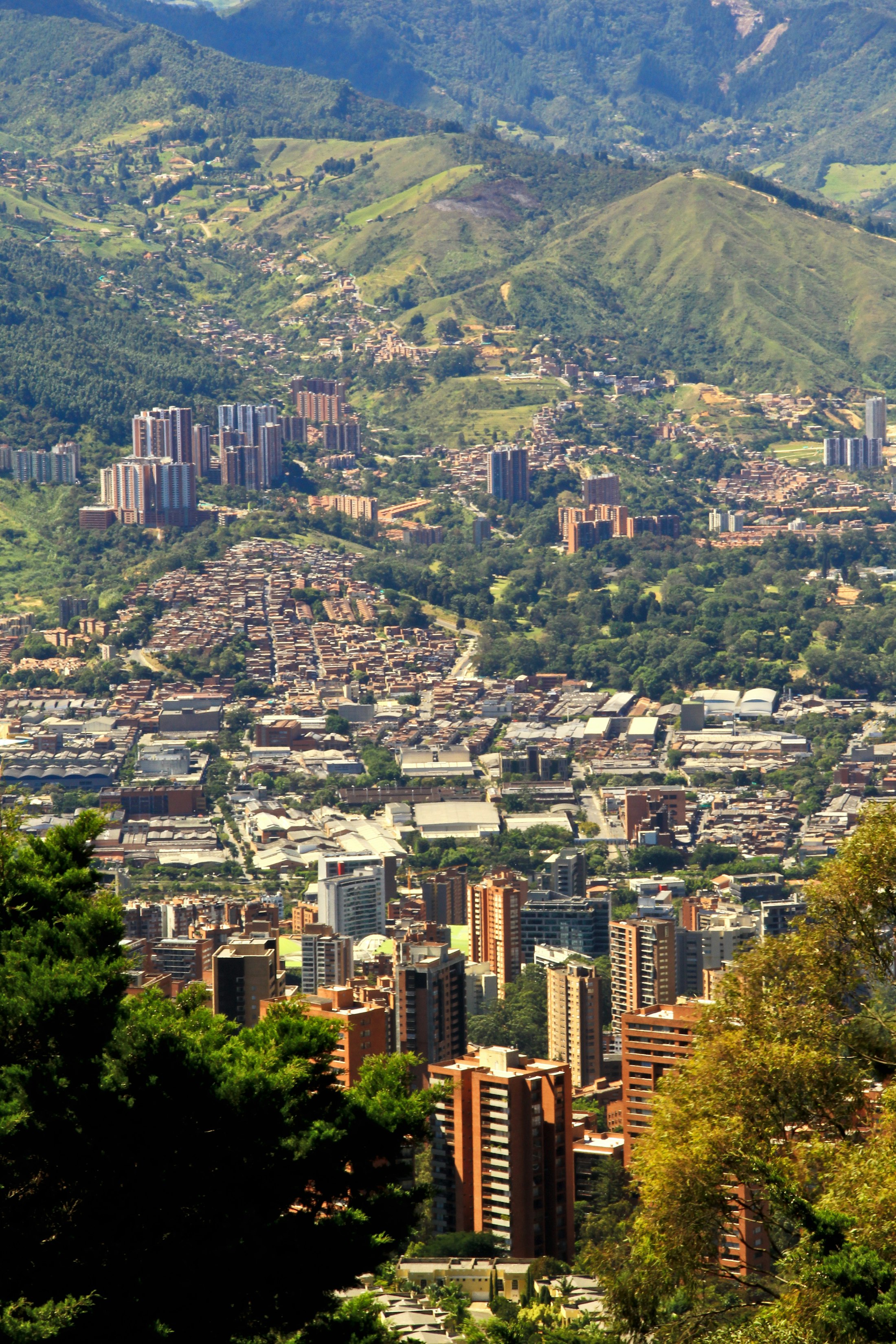
There are a handful of fincas and small hotels in the veredas that rent rooms. One night up here is worth it — mornings before the clouds build give you clear views down into the Aburrá Valley, coffee on a porch, quiet except for roosters.
Hotel Bosques de Santa Elena charges around 180,000–220,000 COP per night for a double room. Simple — tile floors, hot water that works most of the time, wool blankets. Breakfast included.
If you'd rather stay in a farmhouse, ask at Finca El Paso or through the Santa Elena silletero association. Some families rent spare rooms during July for 80,000–120,000 COP, though availability is word-of-mouth.
Pro tip:Hot water heaters in rural Colombian fincas are electric showerhead units. Don't touch the wiring. Adjust temperature by changing water pressure, not by fiddling with the device.
Stay in Medellín
Top-rated hotels near Medellín
Best locations · Verified reviews · Free cancellation
View deals
Expedia →9. Making it a full day without overcomplicating things
Here's the shape of a good July day in Santa Elena: leave Medellín by 8 a.m., arrive by 9, visit one silletero farm in the morning, eat lunch there, walk a second farm or the trails between veredas in the early afternoon, and head back down before 4 p.m. when the rain usually sets in hard.
That's it. Don't try to stack three farms and a waterfall and a coffee tasting. The whole point is slowness.
A single farm visit with lunch will run you 35,000–50,000 COP per person including a small tip to the family. Transport round-trip via rideshare is another 60,000–80,000 COP. Full day for under 130,000 COP — roughly $32 USD at current rates. Cheaper than a mediocre dinner in Laureles.
Pro tip:Afternoon rain on the descent makes the road slick. If your driver is going too fast, say something. "Más despacio, por favor" works.
Essential tips
July afternoon rain is nearly guaranteed in Santa Elena. Plan farm visits for the morning and carry a rain shell, not an umbrella.
Bring cash in small denominations — 10,000 and 20,000 COP bills. Most farm lunches and rural stays don't accept cards or digital payments.
Cell service (Claro and Tigo) drops out past the Parque Arví turnoff. Download offline maps and screenshot directions before you leave Medellín.
Wear dark-soled shoes you don't mind staining. Santa Elena's red clay mud is permanent on light-colored fabric and leather.
Ready to visit Medellín?
Book your hotel, flights, and activities through our Expedia-powered search.


