In This Guide
- 1.Getting there without losing your morning
- 2.The trout farms are the point
- 3.What the weather actually does here
- 4.Hiking to Alto de Padre Amaya
- 5.Skip the central park on Sunday afternoon
- 6.Where to eat besides trout
- 7.Staying overnight (and whether you should)
- 8.The Yarumalito road and why you should walk it
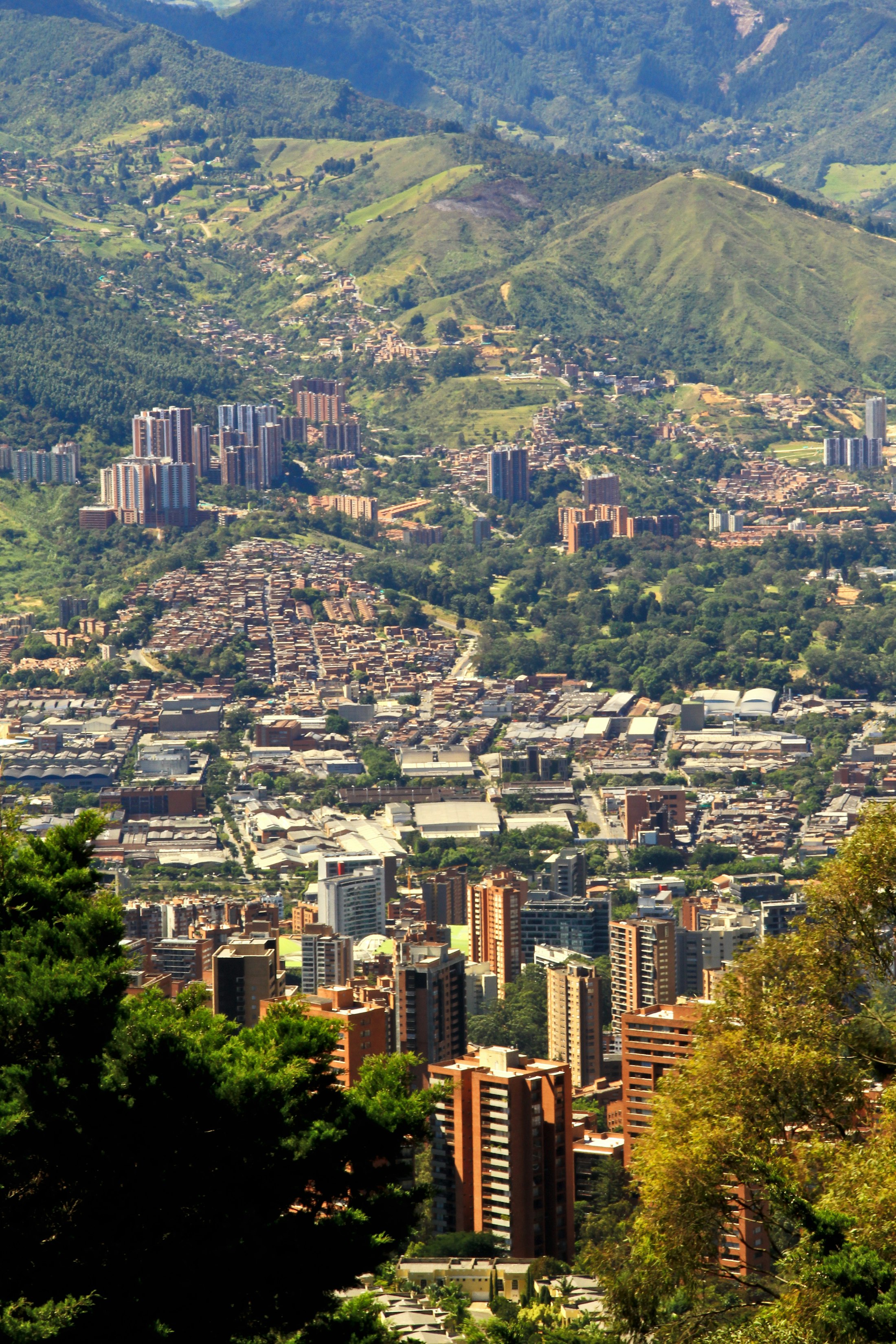
The rain quit around 6 a.m. and the valley opened up like someone had wiped a lens clean. I was standing on the shoulder of the road that drops from Medellín's southwestern edge into San Antonio de Prado, watching fog lift off trout ponds and tin roofs dry in real time. Most people who fly into Medellín never make it past El Poblado or Laureles, and I get it — those neighborhoods deliver. But San Antonio de Prado sits about 40 minutes by bus from the city center, and it runs on a completely different clock.
It's a corregimiento, one of Medellín's five rural townships, and it feels more like a small Andean farming town than a suburb. The main drag has a church, a handful of tiendas, and a bakery that smells like cheese bread by 7 a.m. The surrounding hills are scored with trout farms, strawberry patches, and hiking trails that don't appear on most English-language maps. After three visits over two years, I'm convinced this valley deserves more foot traffic — just not too much.
1. Getting there without losing your morning
From Medellín's San Javier metro station, catch a bus marked "San Antonio de Prado" — they leave every 10 to 15 minutes from the station's integrated bus terminal. The ride takes 35 to 45 minutes depending on traffic, and the fare is around 2,800 COP. A taxi from El Poblado will run you roughly 35,000 to 45,000 COP one way, but the real cost is time: that same trip during weekday rush hour can stretch past an hour.
Go on a Saturday or Sunday morning. Leave before 7:30 a.m. if you want to hike or eat trout for lunch without competing with Medellín families who show up around noon. The road in is two lanes and winds through steep neighborhoods before opening into green valley floor, so drivers prone to carsickness should sit up front.
Pro tip:Tell your bus driver "el parque principal" so you get dropped at the central park rather than continuing further into the valley. It's an easy landmark to orient from.
2. The trout farms are the point
San Antonio de Prado's identity is trout. The cold-water streams that run down from the Alto de Padre Amaya feed dozens of family-run piscícolas, where you can catch your own fish, have it cleaned and fried, and eat it at a plastic table next to the pond you pulled it from. It's not a theme park. It's agriculture with a lunch counter bolted on.
Most farms charge between 18,000 and 25,000 COP per trout, which includes cooking. The standard preparation is trucha frita — whole fried trout with patacones, rice, salad, and a bowl of soup that arrives first whether you asked for it or not. Some places offer trucha al ajillo (garlic butter), which is worth requesting if you see it on the board.
I've heard people compare this to tourist trout experiences in Guatapé. That comparison is wrong. Guatapé's fish farms cater to day-trippers off tour buses, with marked-up prices and a carnival atmosphere. The piscícolas in San Antonio de Prado serve their neighbors. You'll eat better and pay less.
Pro tip: Piscícola La Acuarela, about a 10-minute walk uphill from the park along the road toward Yarumalito, has some of the freshest ponds. Get there before 11 a.m. on weekends or the tables fill.
3. What the weather actually does here
San Antonio de Prado sits at roughly 1,950 meters above sea level, slightly cooler than Medellín proper. Morning temperatures hover around 15°C (59°F), and afternoons can climb to 24°C (75°F) before the rain rolls in. And it will rain. The valley funnels moisture up from the Cauca River basin, and most afternoons between March and May, and again from September to November, you'll get a solid downpour between 2 and 4 p.m.
Pack a rain jacket. Not a poncho from a street vendor — an actual jacket with sealed seams. The trails get slick fast.
The best weather window is December through February, when you can sometimes get a full dry day. I was there in late January and hiked four hours without a drop. The valley after rain is something else entirely: the fog threads through the ridgelines and the whole place smells like wet grass and woodsmoke.
4. Hiking to Alto de Padre Amaya
The trail to Alto de Padre Amaya starts at the upper end of the valley and climbs through dairy farms and cloud forest to a summit around 3,100 meters. Round trip takes five to seven hours depending on your pace and how many times you stop to stare. The path is mostly dirt track — wide enough for a motorcycle in places, single-track in others — and it's marked inconsistently, so download offline maps before you go. Maps.me has the trail; Google Maps does not.
Bring at least two liters of water and real food. There's nowhere to buy anything once you leave the trailhead. The elevation gain is about 1,100 meters, which is no joke if you just arrived from sea level. Give yourself at least three days in Medellín to acclimatize before attempting this one.
At the top, on a clear morning, you can see both the Aburrá Valley and the western cordillera dropping toward the Pacific lowlands. Clear mornings happen maybe half the time, even in dry season.
Pro tip:Start hiking by 6:30 a.m. The summit clouds over by 10 most days. If you're still on the trail at noon, the views are already gone.
5. Skip the central park on Sunday afternoon
I know it sounds counterintuitive — Sunday is when the town is most alive. But "alive" here means loudspeakers blasting vallenato, kids on bumper cars, and a crowd thick enough that you can't see the church facade. If you want to photograph the park or sit quietly with a coffee, come on a weekday morning. The Iglesia de San Antonio de Padua is a modest white church that looks its best in early light with nobody in front of it.
Sunday afternoon is for locals doing local things, and you will be in the way.
6. Where to eat besides trout
There's a bakery on the main road about half a block from the park — I never caught the name, but it has a green awning and a glass case of pandebono and buñuelos. The pandebono is better than most of what you'll find in Medellín proper: crisp outside, dense and cheesy inside, and it costs 1,500 COP. Get two.
For a full meal that isn't fish, look for the corrientazo signs. A corrientazo is a set lunch — soup, main plate with rice and beans, meat or chicken, and a juice — and it runs between 12,000 and 15,000 COP in the restaurants near the park. Nothing fancy. Good fuel.
The strawberries sold by roadside vendors on the way into town are worth stopping for. Small, intensely sweet, sold in plastic bags for around 3,000 COP. Last time I was there in January, I bought three bags and ate them all before I reached the trout farm.
Pro tip:If you're staying overnight in the valley, finca hotels in the surrounding hills offer meals included in room rates. Ask about "alojamiento con alimentación" — lodging with food — when you call ahead.
Stay in Medellín
Top-rated hotels near Medellín
Best locations · Verified reviews · Free cancellation
View deals
Expedia →7. Staying overnight (and whether you should)
Most visitors treat San Antonio de Prado as a day trip, and honestly, that works. But if you want to hike Padre Amaya at dawn or just decompress away from Medellín's noise, a night in the valley changes things. The town goes quiet by 9 p.m. Dogs bark. Roosters start around 4:30 a.m.
There are a few fincas that rent rooms, mostly found through Booking.com or by asking at tiendas in the park. Expect to pay between 80,000 and 150,000 COP per night for a basic room with hot water and a view of cow pasture. Wi-Fi is unreliable outside the town center.
Don't expect hotel amenities. This is farmhouse lodging. The mattresses vary. The showers are electric-heated and occasionally temperamental. But you'll wake up to fog burning off the valley, and that earns the minor discomforts.
Pro tip: Call ahead — showing up without a reservation is a gamble, especially on holiday weekends when Medellín families book the fincas for gatherings.
Stay in Medellín
Top-rated hotels near Medellín
Best locations · Verified reviews · Free cancellation
View deals
Expedia →8. The Yarumalito road and why you should walk it
Past the trout farms, the road narrows and continues toward the vereda of Yarumalito. Paved for about a kilometer, then packed dirt. Walking this stretch on a weekday morning is the quietest thing you can do near a city of three million people. Dairy cows stare at you. A truck passes every twenty minutes. That's about it.
The road follows a creek lined with guadua bamboo, and the light filters through in columns when the sun is low. No destination, really — you walk until you feel like turning around. Two hours out and back is a good length.
You don't need a guide for this. Just shoes with grip and a willingness to get muddy.
Essential tips
Buses from San Javier metro to San Antonio de Prado run roughly every 10-15 minutes. Last return buses leave around 9 p.m., but confirm with your driver — schedules shift on holidays.
Tap water in the valley is treated but tastes mineral-heavy. Bring a bottle from the city or buy water at the tienda near the park before heading to trails.
Rain arrives most afternoons between 2-4 p.m. during the wet seasons (March-May, Sept-Nov). Plan outdoor activities for morning and bring a waterproof layer with sealed seams — not a garbage-bag poncho.
Cell signal (Claro and Tigo) is decent in the town center but drops to nothing on the Padre Amaya trail above 2,500 meters. Download offline maps before you leave Medellín.
Carry cash in small bills. Most trout farms, bakeries, and roadside vendors don't accept cards. The nearest ATM is back toward San Javier.
Ready to visit Medellín?
Book your hotel, flights, and activities through our Expedia-powered search.


