In This Guide
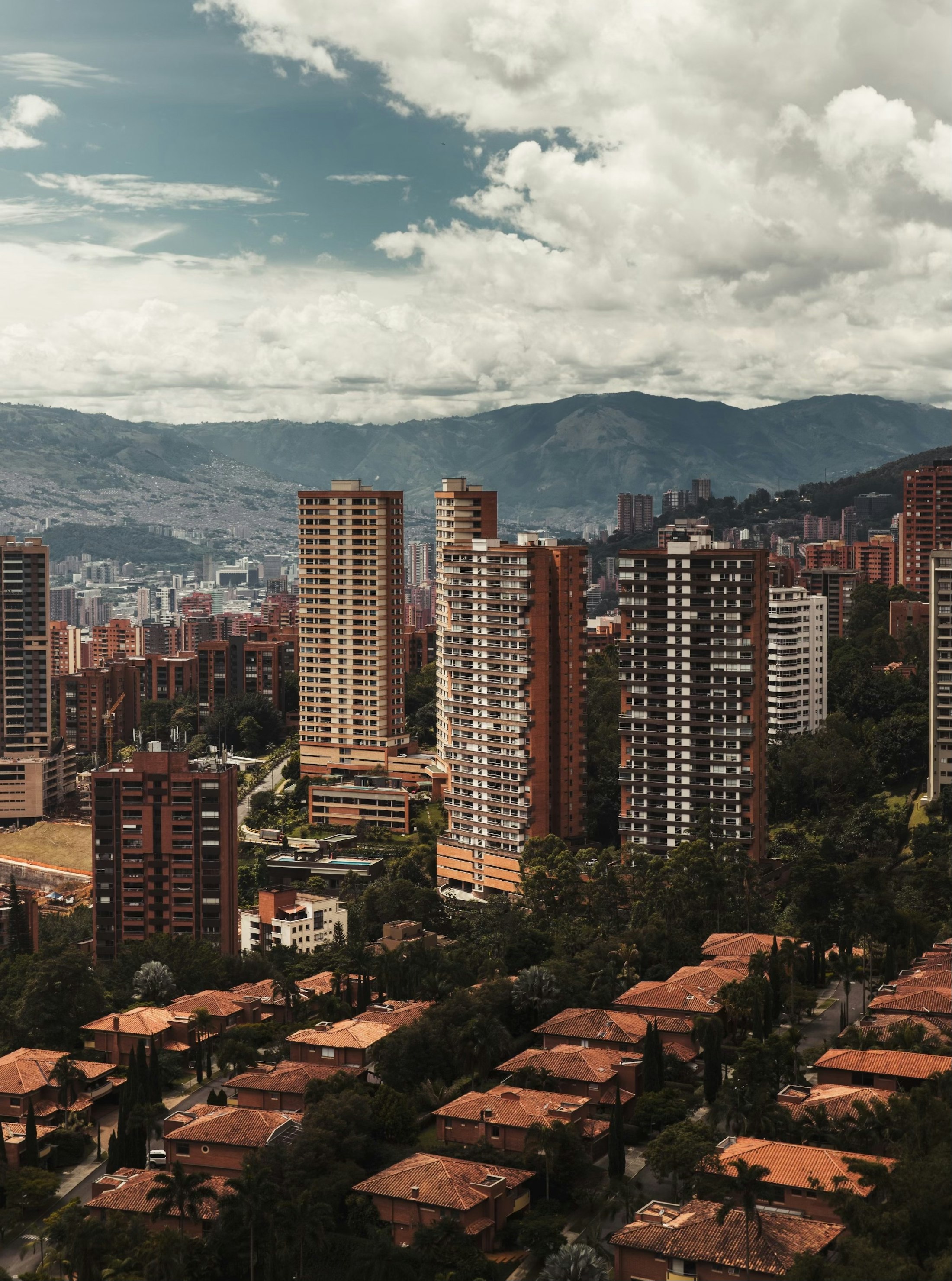
The Feria de las Flores ends on a Sunday night, and Medellín wakes up Monday with a hangover it earned. The silletas are stacked in garages, the confetti in Parque Lleras has been hosed into the gutters, and El Poblado moves at maybe forty percent speed. This is my favorite morning in the neighborhood all year.
I first stumbled into it by accident — booked a cheap flight home for Tuesday, had a dead Monday to kill, and ended up eating caldo de costilla at a plastic table on Calle 10 while the city exhaled. The recovery morning has its own rhythm: slow, soupy, honest. If you time it right, you get a version of El Poblado that the rest of the year buries under brunch menus and rooftop DJs.
1. Caldo de costilla is the point
The dish is simple — beef short rib simmered until the broth goes cloudy, served with potato, cilantro, and a side of rice if you ask. On this particular Monday, half the neighborhood runs on it. The places worth sitting down at don't advertise; they just have a pot going by 6:30 a.m.
Restaurante Doña Luz on Carrera 35 near Calle 10A has been my go-to. The caldo runs about 12,000 COP and comes with an arepa that's charred just past the point most Americans would accept. That char is the whole thing. Don't ask them to go lighter.
Skip Café Pergamino on this morning. I know, I know — everyone loves it, and on a normal Wednesday I'd agree. But the Monday after Flores it's half-shuttered and the crowd is tourists who missed the festival entirely, scrolling through other people's Instagram stories. You want to be elbow-to-elbow with paisas who danced for three days straight, not sipping a pour-over in silence.
Pro tip: Ask for a second arepa separately — most caldo spots charge only 1,000–1,500 COP extra, and one is never enough.
2. The walk down Calle 10 before 9 a.m.
Calle 10 is the spine of El Poblado's older commercial strip, and on recovery Monday it's practically suburban. Shops don't open until ten or later.
Walk downhill from Parque El Poblado toward the Poblado metro station. The grade is steep enough that your knees know it, maybe a fifteen-minute walk if you don't stop. You'll pass pandería shops pulling out almojábanas — cheese bread, still hot, about 2,000 COP each. Buy two and keep moving. The air at this hour sits around 18°C, which in Medellín terms means you might want a light layer. By 10 a.m. it'll be 26°C and you'll be stuffing that layer into your bag.
The jacaranda trees along the lower stretch drop purple petals on the sidewalk. Nobody's swept yet.
3. Parque Lleras: the morning-after version
Most travel advice will tell you Parque Lleras is the nightlife center of El Poblado. That's accurate and also the least interesting thing about it. On recovery Monday morning the park belongs to maintenance crews, a few hungover expats nursing Gatorade on benches, and street cats who own the place year-round.
I actually think Parque Lleras is a better park than people give it credit for. The consensus online treats it as a party zone to either celebrate or avoid, but the physical space — the ceiba trees, the sloped lawn sections, the way the surrounding buildings frame it — deserves a slow lap when nobody's trying to sell you a club entry. Walk through around 7:30 a.m. and you'll hear birds, not reggaeton.
The Tostao café on the northeast corner opens early, and a tinto there is 2,400 COP. Chain coffee, nothing special, but the outdoor seats face the park and the price is right for sitting and doing nothing.
Pro tip: The public bathrooms near the south end of the park are unreliable. Use the ones inside Tostao or any restaurant on the perimeter — buying a coffee earns you the right.
Stay in Medellín
Top-rated hotels near Medellín
Best locations · Verified reviews · Free cancellation
View deals
Expedia →4. Why you should take the Metro on a hangover Monday
Poblado station is a ten-minute walk downhill from the park zone, and on this Monday the metro cars are half-empty. That almost never happens. Medellín's metro is one of the cleanest urban rail systems I've used in Latin America, and the city takes visible pride in it — no food, no litter, genuine social pressure to behave.
Ride north to Caribe station if you want to see the flower festival's infrastructure getting torn down around the Plaza de Toros area. Or just ride to Parque Berrío in Centro and walk around. This is the one Monday all year when the train feels spacious.
A single ride costs 2,950 COP loaded onto a Cívica card. The card itself is 5,000 COP at any station kiosk. Just get the card — paying per ride in cash isn't an option anymore, and fumbling at the turnstile while commuters queue behind you is a specific kind of embarrassment I've lived through.
Pro tip: Load at least 20,000 COP onto your Cívica. The card works on metro, buses, and the Metrocable, and kiosk lines are shorter at Poblado than at busier stations like San Antonio.
5. The drive to Santa Elena, if you're not done with flowers
Most silleta makers live up in Santa Elena, the rural corregimiento east of the city where the whole flower tradition started. On the Monday after the parade, some families open their fincas to visitors who want to see how the silletas were built. This isn't a formal tour — you show up, ask politely, sometimes pay 10,000–15,000 COP, and someone walks you through the flower frames drying in the yard.
The drive from El Poblado takes about 40 minutes via the road past the Santa Elena tunnel, but budget an hour because the curves are tight and Monday-morning truck traffic from the flower farms clogs the two-lane sections. Altitude climbs from about 1,500 meters to 2,500 meters, so the temperature drops hard. Bring a jacket that actually works, not a fashion layer.
I'd argue this side trip is worth more than the parade itself. The parade is spectacle — loud, a genuine source of civic pride. But sitting in a flower farmer's yard while they explain which orchid variety holds up best under sun and which one they'd never use again? That's the story behind the spectacle.
Pro tip:Don't rent a car for this. Grab a taxi from the Éxito supermarket on Calle 10 — drivers there know the Santa Elena route, and you can negotiate a round trip with wait time for around 80,000–100,000 COP.
Stay in Medellín
Top-rated hotels near Medellín
Best locations · Verified reviews · Free cancellation
View deals
Expedia →6. Lunch: the ajiaco question
By noon you'll be hungry again, and someone will suggest Mondongos on Calle 10 #38-38. It's the default recommendation for traditional Antioqueño food in El Poblado, and the bandeja paisa there is fine — generous, reliable, about 38,000 COP. But the ajiaco is better.
Ajiaco is technically a Bogotá soup, and paisa purists will tell you it doesn't belong on a Medellín table. I disagree. Mondongos does a version with three kinds of potato, shredded chicken, capers, and a side of cream and avocado that holds up against anything I've had in La Candelaria. On a recovery Monday when your body is asking for salt and starch, it answers every question.
The wait at Mondongos is usually 20–30 minutes on weekends. On this Monday, I've walked straight to a table twice.
7. Afternoon rain and knowing when to stop
Medellín's weather pattern is predictable enough to plan around. Morning sun, clouds by 1 p.m., rain between 2 and 4 most days during August (which is when the Feria usually falls). The rain is vertical and committed.
This is your cue to be indoors. Not at a bar — it's Monday, and the bars that are open are sad about it. Find a seat at one of the bookshop-cafés on Carrera 37 near the Iglesia de San José, order another tinto, and let the rain do its thing. The neighborhood sounds different in the rain. Quieter than quiet.
Or just go back to wherever you're sleeping. Nap. The recovery morning isn't a full-day itinerary. It's a half-day that earns its hours by not trying to be more.
Pro tip: Pack a compact umbrella, not a poncho. Ponchos in El Poblado mark you as a tourist in a way that actually matters — street vendors double their opening prices.
Essential tips
August in Medellín means afternoon rain almost daily. Plan outdoor time before 1 p.m. and carry an umbrella after noon.
Many El Poblado restaurants now accept card, but caldo spots and panaderías on Calle 10 are cash-only. Carry at least 50,000 COP in small bills.
Use the InDriver or Didi apps for rides — Uber technically operates but drivers sometimes cancel. Taxis are metered but confirm they'll turn the meter on before you close the door.
El Poblado mornings in August hover around 17–19°C. If you're heading to Santa Elena, expect 12–14°C. Layer accordingly — the temperature swing across a single day can be 14 degrees.
Ready to visit Medellín?
Book your hotel, flights, and activities through our Expedia-powered search.


