How Aircraft Pressurization Systems Keep Passengers Safe at Cruise Altitude
Modern jetliners maintain cabin environments equivalent to 8,000 feet while cruising above 30,000 feet through sophisticated air-management systems that protect occupants from oxygen-starved high-altitude conditions.
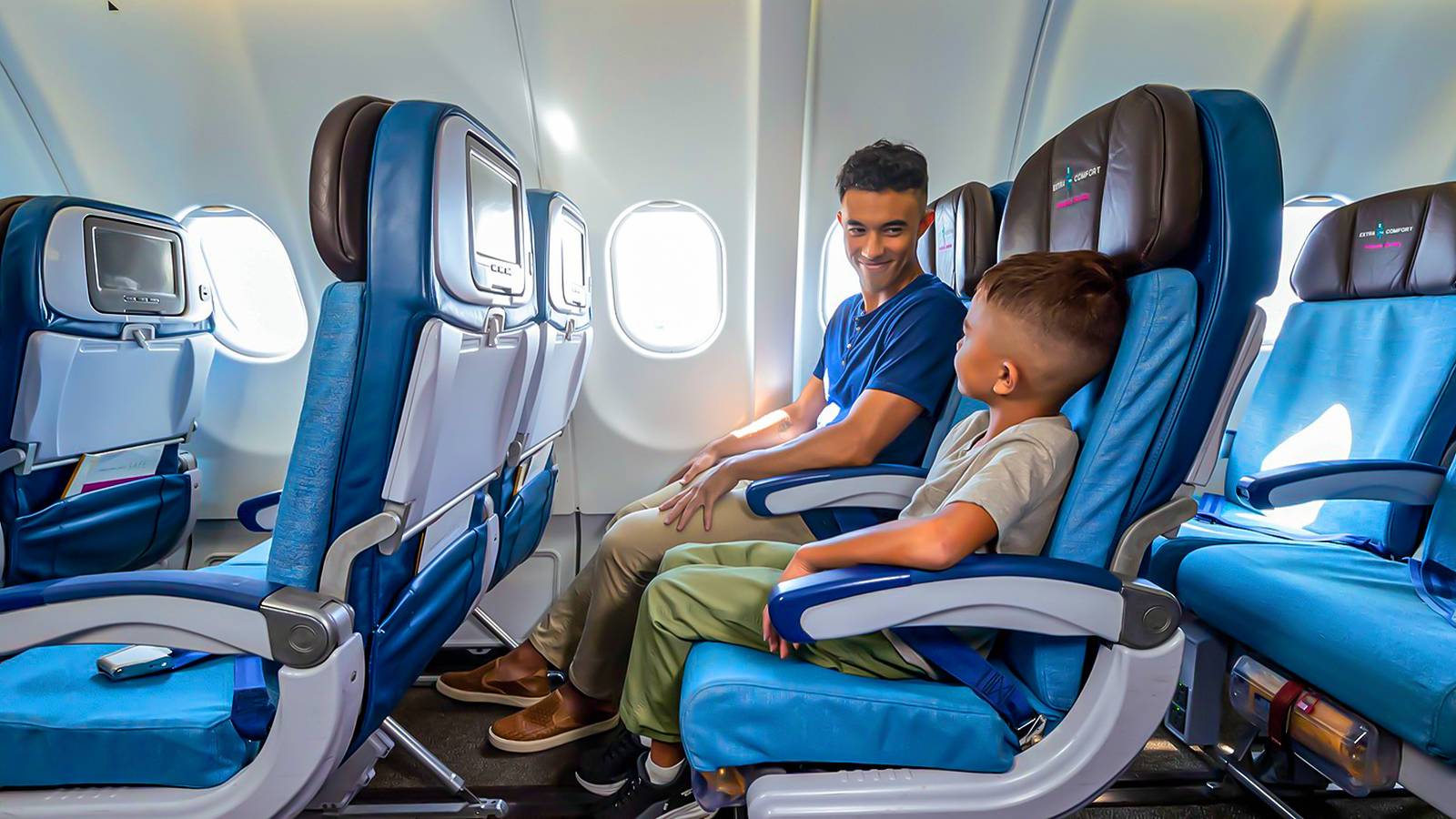
Commercial aircraft routinely operate at altitudes between 28,000 and 35,000 feet to optimize fuel efficiency and avoid adverse weather, but these heights pose severe physiological risks without environmental controls. At typical cruise levels, atmospheric pressure drops so dramatically that an exposed individual would suffer loss of consciousness in less than 60 seconds due to oxygen deprivation.
Pressurization systems address this hazard by transforming the sealed cabin into a controlled environment. Airlines typically maintain interior conditions simulating approximately 8,000 feet of elevation—high enough to reduce structural stress on the airframe, yet low enough to keep passengers and crew comfortable and safe throughout the flight.
The majority of jetliners source pressurized air directly from engine compressors, a method known as bleed-air extraction. This hot, compressed gas passes through environmental control units that cool and filter it before distribution throughout the cabin. The system's core component is the outflow valve, which regulates how quickly air escapes the fuselage. By admitting fresh air faster than the valve releases it, the system sustains steady interior pressure while limiting the differential between cabin and outside air—a critical safeguard against overstressing the aircraft structure.
During climb, pressurization controllers gradually raise cabin altitude alongside the actual aircraft altitude, maintaining passenger comfort while monitoring differential pressure limits. Once maximum differential pressure is reached on a continuing climb, that pressure gap remains constant even as cabin altitude increases. Regulatory guidelines cap cabin altitude at 8,000 feet, effectively limiting how high an airliner can cruise.
Flight crews continuously monitor three key parameters: cabin altitude, rate of cabin climb or descent, and differential pressure. Although the systems operate automatically, pilots verify proper function and can intervene manually. A safety valve provides backup protection by preventing cabin overpressurization, equalizing pressure if outside air exceeds interior levels, and allowing crews to rapidly depressurize the cabin when necessary.
These interconnected safeguards represent decades of aerospace engineering focused on a single objective: making high-altitude flight routine and survivable for millions of passengers daily, even as aircraft traverse an environment fundamentally hostile to human life.