FAA Clears First Beyond-Sight Drone Flight Over Gulf Waters
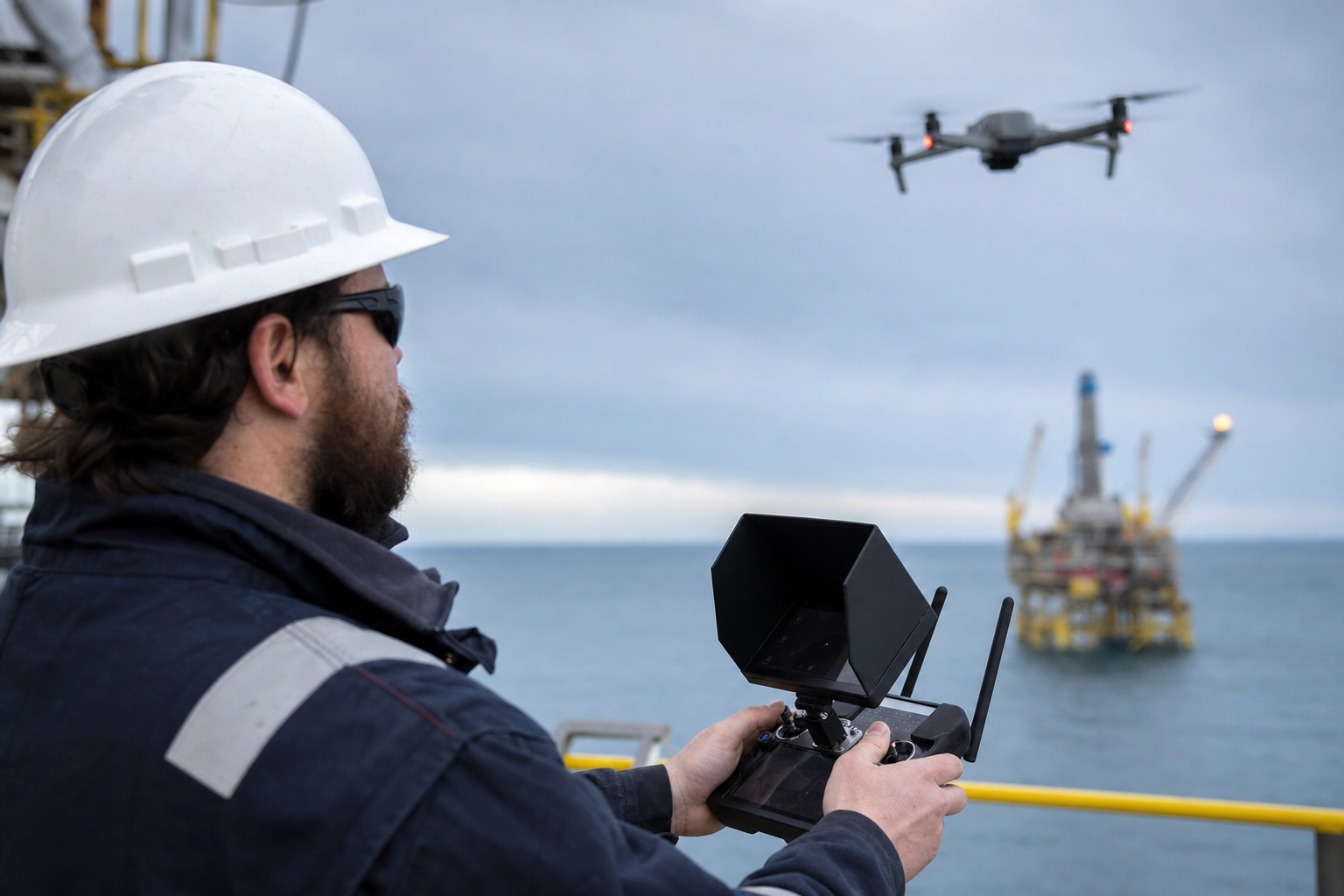
The agency authorized Skyways to fly an uncrewed aircraft beyond an operator's line of sight from a Louisiana facility to a Shell platform offshore, the first approval of its kind for drone flights over the Gulf.
What travelers need to know
- What happened: The FAA issued its first authorization for a drone to fly beyond visual line of sight from the U.S. coastline over the Gulf of America.
- Who's affected: Drone operator Skyways and energy company Shell, whose offshore infrastructure will be inspected and supplied by the flight.
- Where: From Shell's SPLC facility in Gibson, Louisiana, to a Shell platform in the Gulf of America.
- When: Announced .
- What to do: No traveler action required; this is a commercial and regulatory milestone, not a change to passenger air travel.
The Federal Aviation Administration said Monday it has authorized Skyways to fly an autonomous drone beyond its operator's visual line of sight over the Gulf of America, the first approval of its kind for long-range operations over the water. The FAA called the move a milestone for uncrewed aviation and said it reflects a broader push to expand commercial drone capabilities beyond current limits.
The authorization covers Skyways' autonomous V2 vertical takeoff and landing aircraft, which will fly from Shell's SPLC facility in Gibson, Louisiana, out to a Shell platform offshore. According to the FAA, the mission will include a pipeline right-of-way inspection along with a simulated delivery of equipment to the platform — a test of whether drones can take over tasks now handled by crewed helicopters or boats servicing offshore infrastructure.
Advertisement
Waiver bypasses standard rulemaking process
The FAA granted the authorization under Section 927 of the Reauthorization Act of 2024, a provision that lets the agency approve certain drone operations through a waiver instead of the longer rulemaking or exemption process. That pathway, the agency said, is meant to let it approve innovative drone operations faster while regulators continue building out a broader framework for scaling up the technology.
Flying beyond visual line of sight has long been one of the biggest regulatory barriers facing the drone industry in the United States. Operators have typically been restricted to flights they or an observer can see directly, which limits most commercial drone work to short-range jobs. The Gulf authorization signals the FAA is willing to approve longer-distance flights over water on a case-by-case basis while it works out permanent rules.
Michael Kratsios, Assistant to the President for Science and Technology and Director of the Office of Science and Technology Policy, framed the approval as part of a wider administration push on drone policy. "The Trump Administration envisions a future where advanced drone operations are routine," Kratsios said. "This authorization marks an important step toward that vision, demonstrating the potential of American innovation and ingenuity to transform offshore operations as we work to establish a regulatory framework that enables these capabilities safely and at scale."
FAA frames approval as model for offshore drone use
Acting FAA Deputy Administrator Liam McKenna said the agency is working directly with industry to move past traditional restrictions on drone flights. "The FAA is focused on safely unlocking the full potential of American drone technology and ensuring our regulatory framework keeps pace with innovation," McKenna said, adding that the authorization shows how the agency and companies like Skyways can collaborate on the next generation of commercial drone operations.
Advertisement
The Shell partnership gives the flight a direct commercial use case: inspecting a pipeline right-of-way and testing equipment delivery to an offshore platform, tasks that oil and gas operators currently handle with crewed aircraft or vessels at higher cost. If the model proves workable, it could open the door to wider drone use across offshore energy infrastructure in the Gulf and beyond. The FAA has not said whether additional beyond-line-of-sight authorizations over water are pending, but the agency's emphasis on Section 927 as a waiver pathway suggests more case-specific approvals could follow as it continues shaping permanent rules for long-range drone flight.
Advertisement
Plan this trip
Here's what it costs.