Opinions, reviews, analyses & recommendations are the author’s alone, and have not been reviewed, endorsed or approved by any of these entities.
Alaska Airlines Adds Seattle Nonstops to Osaka and Tahiti
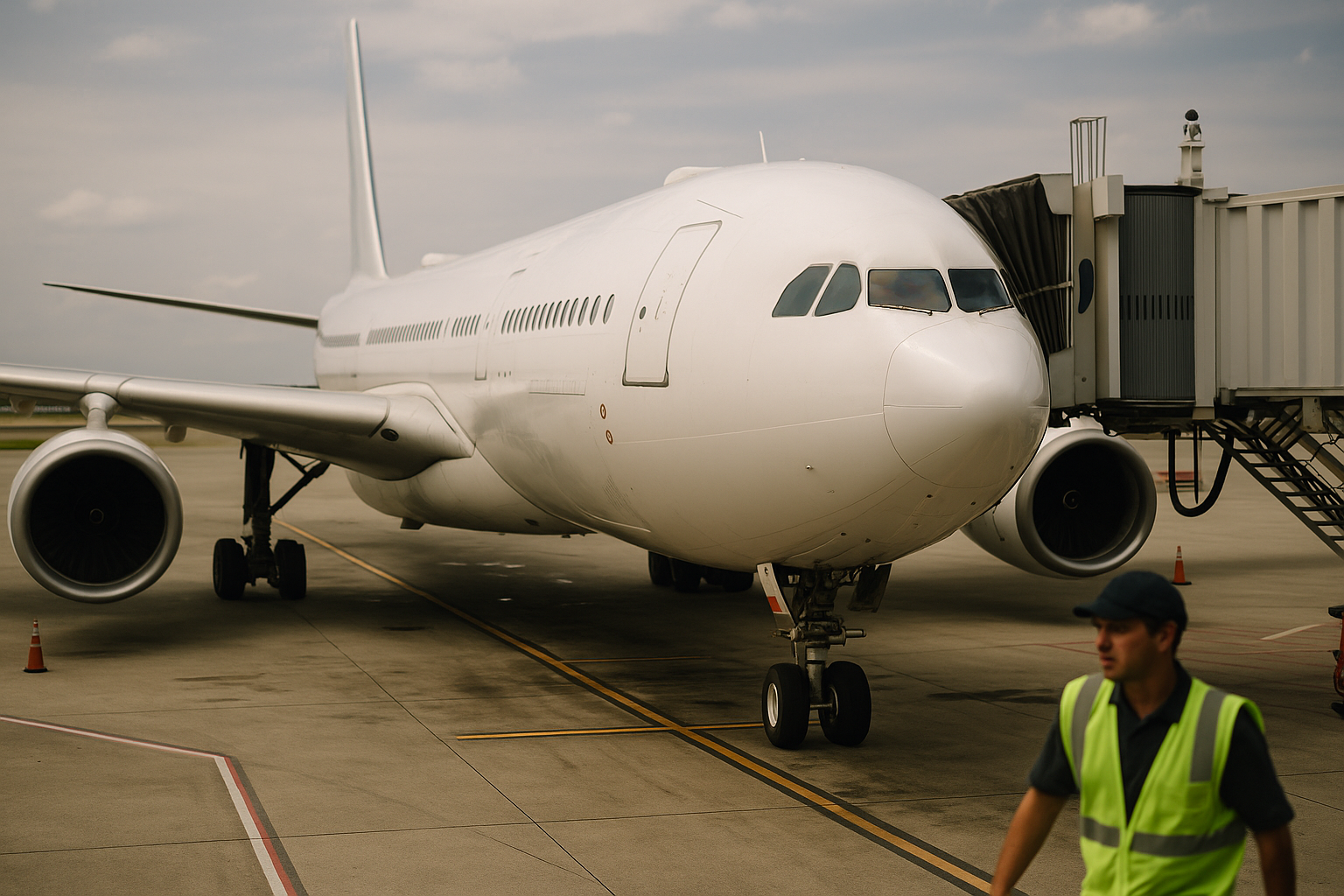
The carrier will use Hawaiian Airlines Airbus A330s to launch Seattle flights to Kansai and Papeete in 2027, pushing further into Asia-Pacific long-haul while reviving a Tahiti route its partner airline abandoned after steep losses.
What travelers need to know
- What happened: Alaska Airlines will launch nonstop flights from Seattle-Tacoma International Airport (SEA) to Osaka Kansai (KIX) and Papeete, Tahiti (PPT), operated with Hawaiian Airlines Airbus A330-200s.
- Who's affected: Travelers flying SEA to North Asia or French Polynesia, Alaska's Atmos Rewards members, and connecting passengers from across the US and Canada routed through Seattle.
- Where: Seattle-Tacoma International Airport to Osaka Kansai International Airport and to Faa'a International Airport in Papeete, Tahiti.
- When: Seattle-Osaka begins ; Seattle-Papeete begins .
- What to do: Schedules have been filed with reservations systems, according to AeroRoutes, so fares and award space are expected to open for booking ahead of the 2027 launch dates.
Alaska Airlines is adding two long-haul nonstop routes out of its Seattle hub, deploying Hawaiian Airlines widebodies to Osaka and Tahiti as it builds out the international network it inherited through its Hawaiian acquisition. Both routes will fly Airbus A330-200s, and both mark Alaska's continued tilt toward Asia-Pacific growth over expansion into Europe, according to Simple Flying.
The Osaka route launches first. Alaska will fly SEA-KIX four times weekly starting May 14, 2027, departing Seattle at 12:10 p.m. and landing in Osaka at 4 p.m. the next day; the return leaves Kansai at 6 p.m. and lands back in Seattle the same day at 12:20 p.m., per schedules reported by AeroRoutes and cited by both outlets. The route covers roughly 4,380 nautical miles each way, according to OAG data cited by Simple Flying. Delta Air Lines last flew the route in 2019, having picked it up from Northwest Airlines after originally launching service between 2010 and 2013. Only about 27,000 round-trip passengers used the SEA-KIX market indirectly in the 12 months to August 2026, per Simple Flying's data, but that reportedly made it Seattle's largest unserved market in North Asia. Fares in that market ran 36% below equivalent pricing out of San Francisco, the outlet noted, largely reflecting lighter premium demand.
Advertisement
Alaska joins a crowded field at Kansai
Alaska will become the second US carrier flying nonstop between the continental United States and Kansai next year, alongside United Airlines, which serves KIX from both Los Angeles and San Francisco. Add Air Canada's flights from Vancouver and Toronto, and three North American carriers will serve the airport. Alaska is also set to join the transpacific joint venture already shared by American Airlines and Japan Airlines, a move View from the Wing says gives the Osaka launch a stronger rationale than the Tahiti route. Seattle's position as a connecting hub for both US and Canadian traffic is expected to matter heavily in filling the aircraft, with Los Angeles alone representing a pool of roughly 129,000 passengers in the broader market, Simple Flying reported.
Tahiti route revives a market Air Tahiti Nui couldn't sustain
The Papeete route starts June 11, 2027, flying three times a week with an 11:55 p.m. departure from Seattle arriving in Tahiti at 7:20 a.m. the next day; the return leaves at 5 p.m. and lands back in Seattle at 6 a.m. the following morning, according to the filed schedule reported by View from the Wing. The timing isn't new territory for Alaska: Air Tahiti Nui launched Seattle-Papeete service in October 2022 with Alaska as a partner, only to suspend the twice-weekly route effective January 31, 2026, after racking up what View from the Wing reported was a roughly $16 million loss in 2024 alone. A subsequent study had recommended dropping Seattle altogether.
This time Alaska controls the operation directly rather than relying on a partner airline, keeping full revenue from connecting itineraries instead of splitting it with an independent long-haul carrier. That gives Alaska more levers to pull — marketing directly to frequent flyers, selling upgrades, and tying the destination to its Atmos Rewards credit card — though it also means absorbing the seats and costs of connecting flights that could otherwise be sold elsewhere. Hawaiian Airlines already flies to Tahiti, so Alaska isn't entering the destination cold. The schedule's early-morning Papeete arrival leaves room for same-day connections onward to Bora Bora or Moorea, avoiding an overnight stay, while the late-night Seattle departure and early return are built to catch domestic connections on both ends.
Advertisement
Plan this trip
Here's what it costs.