In This Guide
- 1.Why cloves, and why Pemba specifically
- 2.Staying on a clove farm (and what that actually means)
- 3.The harvest itself
- 4.Chake Chake is enough — skip the resort daydream
- 5.Misali Island — worth the hype, but time it right
- 6.The mangrove channels around Ras Mkumbuu
- 7.What to eat (and what to skip)
- 8.Getting there and getting around
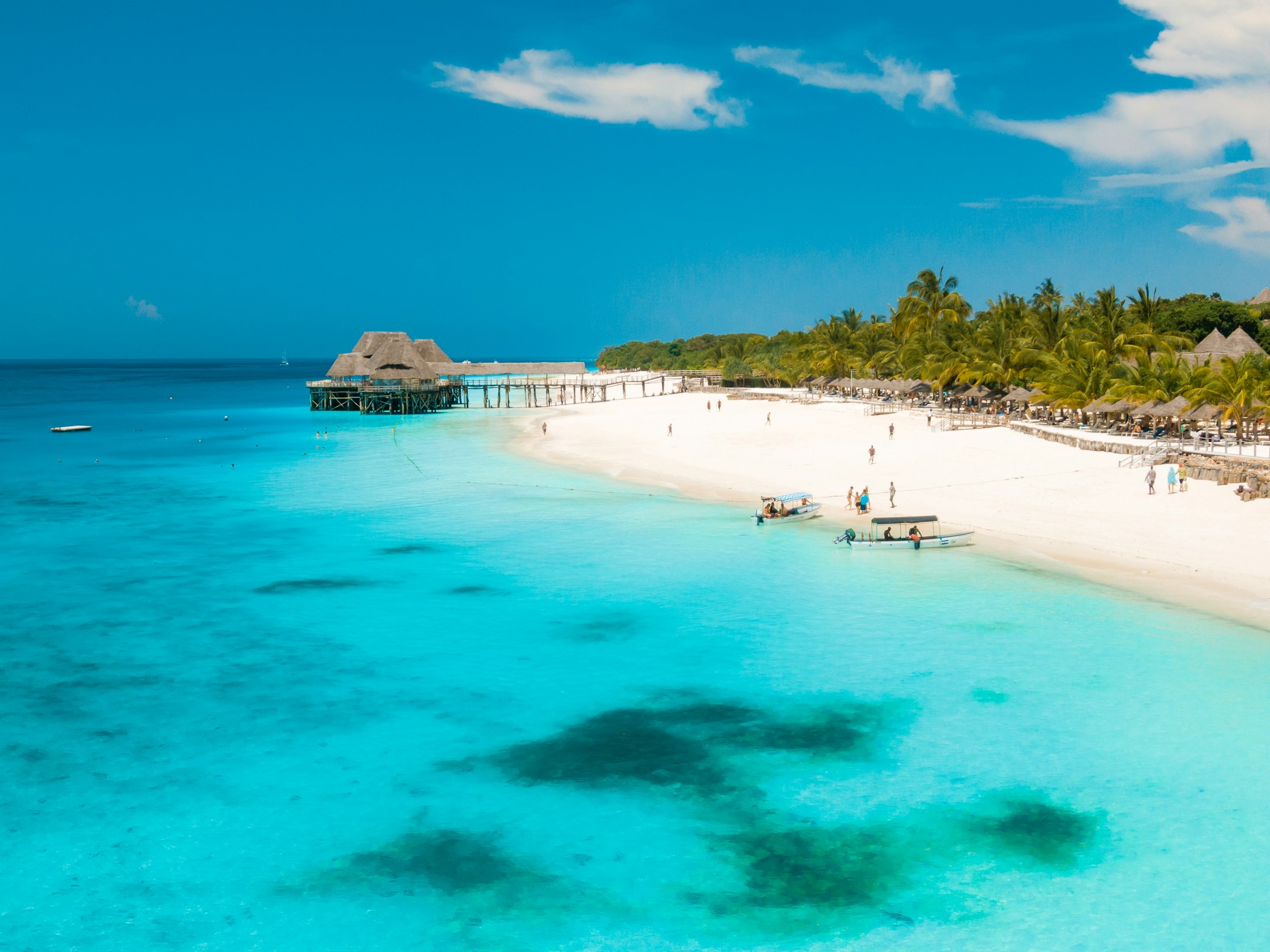
The air hit me before the runway did. Pemba's airport is a single-strip affair where you walk across tarmac to a building that looks like someone's ambitious garage, and the whole time the wind is carrying clove oil and wet earth straight into your lungs. This is Zanzibar's northern island — forty minutes by prop plane from Stone Town, separated by the Pemba Channel's deep blue trench — and almost nobody comes here.
That's not an exaggeration. Unguja, the main island most people mean when they say "Zanzibar," pulls roughly 500,000 tourists a year. Pemba sees a fraction of that, and most of those visitors are scuba divers headed for the Misali Island reef. The rest of the island — its clove plantations, its mangrove inlets, its farmers who still harvest by hand in July and August — exists in a kind of productive quiet that Unguja lost two decades ago.
1. Why cloves, and why Pemba specifically
Pemba produces roughly 70% of Zanzibar's cloves, which once made the archipelago the world's largest exporter. The Omani sultans who consolidated control in the 1830s forced the crop onto the islands using enslaved labor, and the trees they planted — Syzygium aromaticum, originally from the Moluccas — turned out to love Pemba's deeper soil and higher rainfall more than Unguja's flatter terrain.
That history matters because it's everywhere. The plantations you'll walk through aren't quaint heritage sites. They're working farms whose ownership lines trace back through land reforms, revolution, and colonial extraction. When a farmer hands you a dried bud and tells you to bite it, the numbing heat on your tongue is the same commodity that once justified an entire economy of forced labor.
Today, clove prices on the global market fluctuate between $8,000 and $15,000 per metric ton, and most Pemba farmers see very little of that. Some farm stays are trying to shorten the chain.
Pro tip:The clove harvest peaks from July through October. Visit outside that window and you'll see drying but not picking — still interesting, but not the full picture.
2. Staying on a clove farm (and what that actually means)
Let me be specific about what "farm stay" means here, because it's not Tuscany. You're sleeping in a simple room, sometimes with a concrete floor and a mosquito net that's seen better days. The showers are cold. The food is extraordinary.
The best-known operation is the Pemba Eco Lodge in the Chake Chake district, which partners with surrounding smallholders and runs half-day harvest walks during peak season. Rates hover around 80,000–120,000 TZS per night for a double, breakfast included. There's no air conditioning, but the cross-breeze through the louvered windows at night is enough if you aren't coming in January.
Smaller, less-formalized stays exist in villages around Wete and Mkoani. These are arranged through local contacts rather than booking platforms — ask at the Wete port or at the Zanzibar Commission for Tourism office in Chake Chake. I made the mistake of trying to pre-book one of these through a Dar es Salaam travel agent and ended up paying double for a middleman who'd never set foot on Pemba.
Pro tip:Bring a headlamp. Power cuts happen, especially in rural areas, and phone flashlights drain battery you'll want for morning photos in the groves.
3. The harvest itself
Clove picking is vertical work. The trees grow to ten or twelve meters, and the buds — which are flower buds, not seeds — cluster at the tips of branches near the canopy. Pickers climb barefoot, snapping off clusters by hand into woven baskets. A good picker harvests five to eight kilograms of fresh buds a day.
After picking, the buds are spread on woven mats along the roadside to dry in the sun for three to five days. You'll see these mats everywhere during harvest season — lining the red-dirt roads between Chake Chake and Wete, stacked with green buds that darken to brown as the days pass. The smell is sweet and medicinal and constant. It gets into your clothes and stays for a week after you've left.
The leaves and stems get distilled separately into clove oil at small local stills, some of them just a drum over a fire with copper tubing. The oil sells for about 30,000 TZS per liter locally.
4. Chake Chake is enough — skip the resort daydream
Pemba has a handful of high-end lodges aimed at divers, most of them on the western coast. They charge $300–$600 a night and helicopter you over the mangroves and that's fine if what you want is a reef vacation with a clove-scented candle in the bathroom. But you won't learn anything about the island from behind a resort gate.
Chake Chake is where the island actually lives. The market runs daily but is best on Thursday mornings, when farmers from the southern peninsula bring in jackfruit, cassava, and bundles of dried cloves sold by the kilo. There's a small museum in the old fort — honestly, it's one room with some colonial-era photographs and a few rusted tools, but the caretaker, if he's around, will talk your ear off about the 1964 revolution in a way no placard could.
For food, the night market near the port sets up around 6 p.m. Grilled octopus with lime and chili, urojo soup, Zanzibar pizza stuffed with egg and minced beef — most items 2,000–5,000 TZS. The octopus vendor closest to the water usually has the freshest catch.
Pro tip: Thursday market wraps up by noon. Arrive by 8 a.m. for the best selection and the light through the corrugated roof, which photographers will appreciate.
Stay in Zanzibar
Top-rated hotels near Zanzibar
Best locations · Verified reviews · Free cancellation
View deals
Expedia →5. Misali Island — worth the hype, but time it right
Misali sits about fifteen kilometers off Pemba's west coast, inside a marine conservation area. The coral there is in good shape — hard corals, soft corals, reef sharks if you're patient — and the snorkeling alone justifies the boat trip. Dive operators in Chake Chake and Wesha charge around 80,000–100,000 TZS for a snorkel day trip including the 30,000 TZS conservation fee.
Here's my contrarian take: most people go to Pemba exclusively for Misali, and that's a waste of the island. The reef is excellent, yes. But spending four days on Pemba and three of them underwater means you've treated the island as a dock. Give Misali one day — a full one — and spend the rest on land.
Pro tip: Afternoon swells pick up on the western side. Morning boats (departing 7–8 a.m.) give you calmer water and better visibility at the reef.
6. The mangrove channels around Ras Mkumbuu
On the western peninsula, about an hour by hired motorbike from Chake Chake, sit the ruins of Ras Mkumbuu — a Swahili trading settlement dating to at least the 11th century. A mosque, some tombs, coral-rag walls slowly being reclaimed by fig roots. Not fenced. Not ticketed. You just walk in.
The ruins themselves take maybe forty minutes to explore, but the mangrove channels you pass through to get there are the real draw. Hire a local boat from the village of Mkia wa Ng'ombe — expect to pay around 20,000–30,000 TZS for a two-hour paddle through narrow tidal creeks thick with mangrove roots. The water is clear enough to see juvenile fish darting below the hull.
Last time I was there in September, the boatman pointed out a spot where octopus fishers walk the exposed reef flats at low tide, flipping rocks. We watched them work for half an hour. Nobody said much.
Stay in Zanzibar
Top-rated hotels near Zanzibar
Best locations · Verified reviews · Free cancellation
View deals
Expedia →7. What to eat (and what to skip)
Pemba's cuisine overlaps with Unguja's but skews heavier on cassava and coconut. Pilau rice cooked with whole cloves and cardamom is standard at any local restaurant, and on Pemba the spices are often pulled that morning from a tree in the yard.
Skip the tourist-oriented "spice tour lunches" that a few operators have started offering near Chake Chake. They're imported from the Unguja playbook — a guide walks you past labeled trees, you taste some lemongrass, everyone claps. Overpriced and performative. On Pemba, you can get the same experience for free by asking your farm-stay host to walk you through their plot.
What you should seek out: mkate wa sinia, a cardamom-and-coconut rice cake baked in a charcoal-heated pan. The women who make it in the Wete market sell it by the slice for 500 TZS. The version at the Chake Chake night market is good but dryer — Wete's is the one.
Pro tip:If you're vegetarian, communicate this early and clearly. Default Pemba cooking uses fish stock or octopus in most sauces. Hosts will accommodate but need advance notice.
8. Getting there and getting around
Two options from Unguja: fly or ferry. Auric Air and ZanAir run small prop planes from Zanzibar's Abeid Amani Karume Airport to Pemba's Karume Airport (confusingly, same name). Flights take about thirty minutes and cost roughly 150,000–250,000 TZS one way depending on season and how far ahead you book.
The ferry — operated by Azam Marine — runs several times a week, takes around four hours, and costs between 40,000 TZS (economy) and 85,000 TZS (business class, which gets you air conditioning and a seat that reclines). The sea is rough in kusi season, roughly June through September. Fly during those months unless you enjoy testing your stomach.
Once on Pemba, dalla-dallas (shared minibuses) connect Mkoani port, Chake Chake, and Wete for 2,000–5,000 TZS per ride. They're slow and unpredictable. Hiring a motorbike with a driver for the day — about 30,000–40,000 TZS — gives you real freedom and is how most locals get around anyway.
No ride-hailing apps work here. Cash only, and bring smaller bills — breaking a 50,000 TZS note in a village shop is an event.
Pro tip:Book Auric Air flights directly through their office in Stone Town (Malindi Road, near the port) rather than online. The website occasionally ghosts on confirmations; the desk clerk won't.
Essential tips
ATMs exist in Chake Chake but are unreliable. Bring enough Tanzanian shillings from Stone Town or Dar es Salaam to cover your full stay. Cards are accepted essentially nowhere outside high-end lodges.
Pemba has higher malaria transmission rates than Unguja. Take prophylaxis seriously — start malarone or doxycycline before arrival and use DEET-based repellent, especially at dusk near the mangrove areas.
Tigo and Airtel SIM cards get patchy coverage outside Chake Chake and Wete. Download offline maps (Maps.me has better Pemba coverage than Google Maps) before you leave the mainland.
Pemba is conservative and predominantly Muslim. Cover shoulders and knees when walking through villages, and avoid eating visibly in public during Ramadan — dates shift yearly, so check before booking.
Ready to visit Zanzibar?
Book your hotel, flights, and activities through our Expedia-powered search.