In This Guide
- 1.Start at the Zattere and just walk east
- 2.Cantina del Vino Già Schiavi — the one bar you actually need
- 3.Skip Punta della Dogana unless you're there for Pinault
- 4.The canals behind Campo Santa Margherita go quiet after 21:00
- 5.Where to stay in Dorsoduro without hearing suitcase wheels at 6 a.m.
- 6.Gallerie dell'Accademia without the line
- 7.Estro — if you want one real dinner
- 8.The gondola yard you can see for free
- 9.Last drink at Il Caffe Rosso
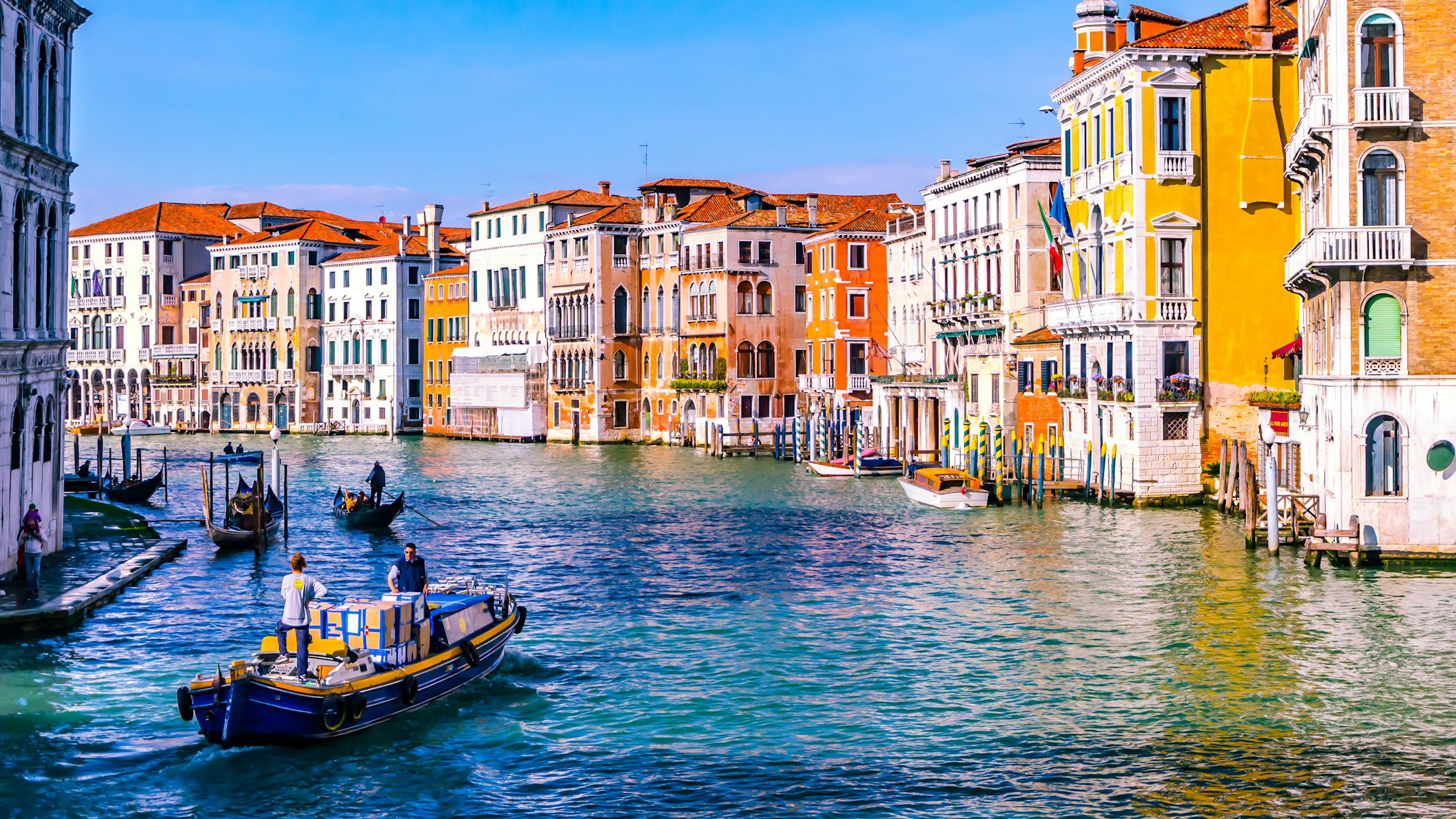
The vaporetto pulls into Zattere on a Wednesday afternoon in late September, and there are maybe six people on the dock. Six. In Venice. The light has shifted from August's flat white blaze to something lower, more amber, and the Giudecca Canal has that strange stillness where you can actually hear water lapping against stone. Dorsoduro in September is the neighborhood Venice promised you before you saw the cruise-ship crowds at San Marco.
I first came here in a rainy September three years ago, mostly to avoid the Biennale stragglers, and ended up spending four days barely crossing a bridge out of the sestiere. The wine bars stay open. The students start returning to Ca' Foscari. The mosquitoes finally die. What leaves is the performance of Venice — what stays is a residential quarter where people buy bread and argue about football and drink spritzes that cost €3.50 instead of €7.
1. Start at the Zattere and just walk east
The Fondamenta delle Zattere runs the full southern edge of Dorsoduro, facing the Giudecca across maybe 300 meters of open water. In September, the afternoon sun hits this quay at a low enough angle that you actually want to sit on it. The benches near the Magazzini del Sale — the old salt warehouses — are usually empty after 17:00.
Don't bother with a map for this first stretch. Walk east from the Zattere vaporetto stop (line 2 or 5.1) and let the fondamenta do its thing. You'll pass gelateria Nico, which has been here since 1935 and still does a proper gianduiotto — a block of hazelnut-chocolate gelato drowned in whipped cream, served on a small plastic plate for €4.50. Get it to go and eat it on the waterfront. The indoor seating is cramped and fluorescent-lit.
Pro tip: Vaporetto line 2 from Tronchetto or San Marco hits Zattere directly. Line 5.1 circles the perimeter and is often less packed in the late afternoon.
2. Cantina del Vino Già Schiavi — the one bar you actually need
Fondamenta Nani, 992. This is where the argument begins and ends for Dorsoduro wine bars. The place is a slip of a room across from the Squero di San Trovaso, the gondola boatyard, and it has been run by the same family since 1944.
The cichetti — small open-faced sandwiches, most topped with baccalà mantecato, artichoke cream, or speck — run €1.50 to €2.50 each. A glass of house prosecco is €2. You stand outside along the canal wall with your wine and your little plate and watch the gondola workshop across the water. In September, you can actually do this without someone's selfie stick in your peripheral vision.
They close around 20:30 most evenings. Don't show up at 20:15 expecting a full round.
People will tell you Cantinone Già Schiavi is interchangeable with any other bacaro in Venice. It is not. Most bacaros in the tourist zones have quietly raised cichetti prices to €3.50–€4 and started serving them on brioche. Già Schiavi hasn't flinched.
Pro tip:Closed Sundays. Go between 17:30 and 18:30 on a weekday — busy enough to feel alive, not so packed you're blocking the bridge.
3. Skip Punta della Dogana unless you're there for Pinault
I'll catch heat for this. The tip of Dorsoduro, where the Grand Canal meets the Giudecca Canal, is one of those spots every guidebook tells you to watch the sunset from. And sure, the geometry is dramatic. But in practice, you're standing on a narrow triangle of stone with twenty other people doing the exact same thing, and the view is dominated by San Giorgio Maggiore, which you've already seen from every other angle.
If you're going to Punta della Dogana, go for the Pinault Collection inside — Tadao Ando's renovation of the old customs house is worth the €15 admission on its own. The contemporary art rotates seasonally. But if you're just walking there for the view, save your legs and watch the same sunset from the Zattere benches 400 meters west. Fewer people. Same water.
4. The canals behind Campo Santa Margherita go quiet after 21:00
Campo Santa Margherita is Dorsoduro's living room — a long, irregular square where Ca' Foscari students drink cheap Aperol spritzes and kids kick footballs against 500-year-old walls. During the day and into early evening, it has real energy. But the canals feeding into it — Rio di San Barnaba, Rio Terà Canal — go dead silent by nine o'clock on September weeknights.
Walk south from the campo down Calle della Chiesa and you'll hit a sequence of residential stretches where the only sound is your own footsteps and, occasionally, a television through a window. No shops. No restaurants. Just stone, water, and the particular Venice smell of salt and old brick.
5. Where to stay in Dorsoduro without hearing suitcase wheels at 6 a.m.
The northern edge of Dorsoduro, along the Grand Canal near Ca' Rezzonico, gets heavy foot traffic from tourists crossing to San Polo. The southern side, closer to the Zattere, is dramatically quieter. Anything on or near Fondamenta delle Zattere or Fondamenta Nani will give you mornings where you can actually hear birds.
September pricing drops hard after the first week. Hotels that charge €280/night in August often come down to €160–€190 by mid-September. The sweet spot is the second and third week — the Biennale preview crowds are gone, the weather is still warm enough for evening walks in a t-shirt, and the acqua alta hasn't started yet.
Avoid anything marketed as "steps from Piazza San Marco" that claims to be in Dorsoduro. That's Dorsoduro technically, the way Newark is technically near Manhattan.
Pro tip:Book accommodation with a canal-facing window if you can. Not for the view — for the cross-breeze. Many Dorsoduro buildings don't have air conditioning, and September can still hit 28°C.
Stay in Venice
Top-rated hotels near Venice
Best locations · Verified reviews · Free cancellation
View deals
Expedia →6. Gallerie dell'Accademia without the line
In July, the queue at the Accademia stretches past the bridge. In September, I've walked in at 10:30 on a Tuesday and had Room V — the one with Giorgione's "La Tempesta" — nearly to myself.
Admission is €12 (€2 if you're an EU citizen aged 18–25). The museum opens at 08:15 on Tuesdays through Sundays, closes at 19:15. Monday it closes at 14:00. The Bellini rooms on the upper floor are worth slowing down for. The Veronese canvases on the ground floor are enormous and overpowering in the way only oil paint at that scale can be.
Skip the gift shop. Same postcards and tote bags you'll find at every museum in Italy.
Pro tip:Buy tickets online through the official Gallerie dell'Accademia site to avoid even the short September line. The booking fee is €1.50.
7. Estro — if you want one real dinner
Calle Lunga San Barnaba, 3778. Estro started as a wine bar and evolved into something more ambitious, but it never lost the informality. The room is narrow, maybe ten tables. The wine list runs deep into natural and biodynamic Italian producers — the staff will steer you well if you tell them what you like and what you want to spend.
The menu changes, but I've had a seared baccalà here with a polenta that had clearly been stirred for the better part of an afternoon. Mains run €18–€26. A good bottle of wine starts around €30. For Venice, where a mediocre tourist-menu dinner easily clears €50 per person, this is a serious meal at a reasonable number.
Reservations are smart but not always necessary in September. Call ahead or book through their website. Closed Mondays.
Pro tip: Ask for a seat near the back. The front tables catch foot traffic noise from the calle.
Stay in Venice
Top-rated hotels near Venice
Best locations · Verified reviews · Free cancellation
View deals
Expedia →8. The gondola yard you can see for free
Squero di San Trovaso, directly across the canal from Cantina del Vino Già Schiavi, is one of the last working gondola boatyards in Venice. You can see it from the fondamenta — no ticket, no tour, no rope line. The wooden structure looks like an Alpine chalet dropped into a canal-side lot, which is exactly what it is: the builders originally came from the Dolomites and built in the style they knew.
In September, with fewer people gawking from the bridge, you might actually see someone working on a hull. Gondolas take roughly 500 hours to build. The wood is a mix of eight species — cherry, elm, fir, larch, lime, mahogany, oak, walnut — and each hull is intentionally asymmetric, curved slightly to the right to compensate for the gondolier's stroke on the left.
You can't go inside. Don't try to go inside.
9. Last drink at Il Caffe Rosso
Campo Santa Margherita, 2963. Locals call it Caffè Rosso because of the red awning, though the official name is just Il Caffè. It's been the default late-evening bar on the campo for decades, outlasting trendier places that opened and closed around it.
A spritz here is €3.50. A glass of wine starts at €2.50. The outdoor tables face the campo, and by 22:00 in September, the square has cleared out enough that you can hear conversations from three tables away. Six stools at the bar inside.
Last September I sat here until closing on a Thursday and watched a cat cross the entire campo without breaking stride. No one chased it, no one took its picture.
Pro tip: They sometimes have a DJ on weekend nights, which changes the atmosphere entirely. Go on a weekday if you want quiet.
Essential tips
Venice has public drinking fountains throughout Dorsoduro — the one on the north side of Campo Santa Margherita works year-round. Refill there instead of paying €2.50 for water.
The stone pavement in Dorsoduro is polished smooth by centuries of foot traffic and gets dangerously slick when wet. Rubber soles grip better than leather. September rain showers come fast.
Buy a 48-hour vaporetto pass (€40) if you're staying two full days. Individual rides are €9.50 each, so the math works after just five trips. Buy at ACTV machines at major stops, not from resellers.
Most Dorsoduro bacaros and small cafés still prefer cash for transactions under €10. ATMs (bancomat) are at the Ca' Rezzonico vaporetto stop and near the Accademia bridge.
Ready to visit Venice?
Book your hotel, flights, and activities through our Expedia-powered search.