In This Guide
- 1.Getting there and how long it actually takes
- 2.The tango thing is real, but it's not what you think
- 3.Where to eat without getting steered to a tourist menu
- 4.July weather: what the afternoon rain actually means for your day
- 5.Casa Gardeliana and the ghost of Carlos Gardel
- 6.Street art that earns the wall it's on
- 7.Drinking after the rain clears
- 8.Safety, honestly
- 9.Who this neighborhood is for (and who should stay in El Poblado)
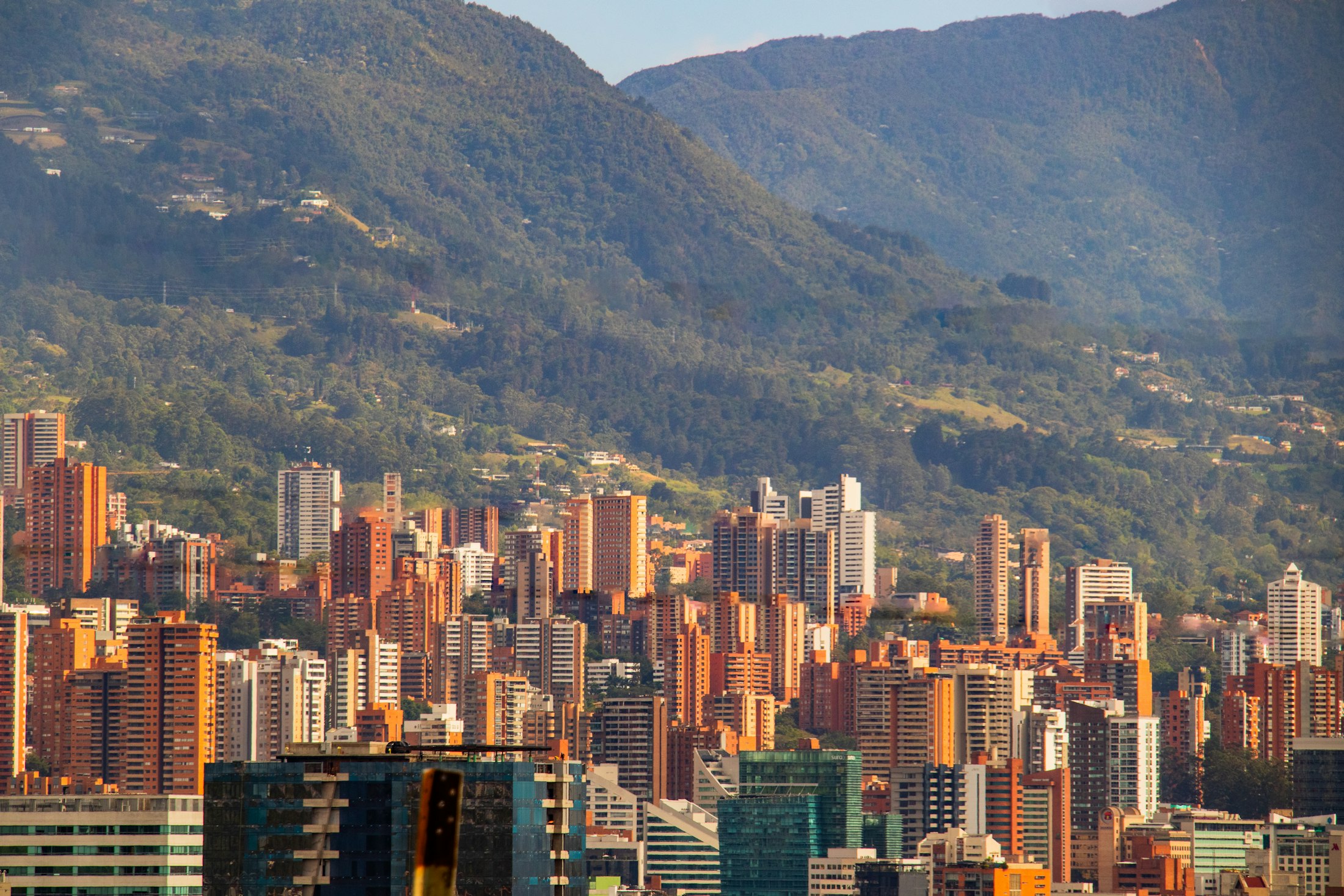
The rain in Buenos Aires barrio doesn't fall so much as hang. July is Medellín's second wet season, and in this hillside quarter on the city's southeast flank, the afternoons turn gray around 2 p.m. with a reliability you could set a watch to. The streets go slick. Tango music leaks out of doorways. And the neighborhood, which has spent the last two decades reinventing itself from one of the most dangerous zones in Colombia into a genuine cultural district, feels more like its namesake Argentine capital than anywhere else in this country.
I walked into Buenos Aires on a Tuesday evening last July with a cheap umbrella and shoes that had no business being on cobblestone. Lost a sole on Charrera 42 before I even found dinner. If you're heading here in the wet months — and honestly, you should, because the crowds thin and the locals actually talk to you — pack shoes that grip and a rain layer that breathes. The heat doesn't quit just because it's raining.
1. Getting there and how long it actually takes
From El Poblado, Buenos Aires is a 20-minute taxi ride that'll run you about 12,000–15,000 COP depending on traffic. From Laureles, add another ten minutes. The Metro won't get you there directly — your closest station is San Antonio on Line A, and from there it's a 15-minute walk uphill on Carrera 46 or a quick cab.
Don't trust Google Maps' walking estimates in this neighborhood. The grade is steep enough that what looks like a flat 10-minute stroll is actually a sweaty 20-minute climb. If you're arriving after dark, take a taxi to your specific address rather than wandering.
The barrio sits roughly between Calle 44 and Calle 50, east of Avenida El Poblado. Knowing that grid helps more than any dropped pin.
Pro tip: Taxi apps like InDriver and DiDi work better here than Uber — drivers in this part of the city tend to cancel Uber rides because the algorithm underprices the uphill return trip.
2. The tango thing is real, but it's not what you think
Most travel blogs will tell you Buenos Aires barrio is Medellín's tango district and leave it at that. Here's what they skip: the tango scene here is participatory, not performative. This isn't a dinner-show situation. The milongas — social tango dances — happen in community halls and on closed-off streets, and they're populated almost entirely by local dancers, many of whom have been coming for years.
Salón Málaga on Calle 45 hosts milongas on Friday and Saturday nights starting around 9 p.m. Cover is usually 10,000 COP. The floor is wood, the sound system is old, and nobody cares what you're wearing. Beginners are welcome if you actually dance — wallflowers get gently nudged onto the floor by regulars who've appointed themselves as unofficial hosts.
The contrarian take you won't hear from the tourism board: Buenos Aires barrio's tango culture is more interesting than Buenos Aires, Argentina's tourist-facing version. In Argentina, the milongas in San Telmo have become largely transactional — tourists pay, performers perform. Here, the dancing still belongs to the neighborhood.
Pro tip: If you want a lesson before the Friday milonga, Escuela de Tango de Medellín offers drop-in classes earlier in the evening. Ask at Salón Málaga for the current schedule — it shifts monthly.
3. Where to eat without getting steered to a tourist menu
Restaurante Versalles on Carrera 42 near Calle 46 does a bandeja paisa for about 18,000 COP that's big enough to split. The beans are cooked with hogao — a tomato-and-onion sofrito — and the chicharrón is fried to order rather than sitting under a heat lamp. Get there before 12:30 p.m. for lunch or you'll wait.
For something lighter, the empanada carts along Calle 49 sell fried corn empanadas filled with spiced potato for 2,000 COP each. They're best between 4 and 6 p.m., when they're being made fresh for the after-work crowd.
Skip the handful of "fusion" spots that have opened on Carrera 43 in the last year or two. They're overpriced, the portions are small, and they're clearly aimed at digital nomads who wandered uphill from El Poblado. You didn't come to Buenos Aires barrio for a 35,000 COP açaí bowl.
4. July weather: what the afternoon rain actually means for your day
Here's the pattern. Mornings in July are warm and partly cloudy, temperatures sitting around 22–24°C. By 1 or 2 p.m., clouds stack up over the eastern hills and the rain starts — sometimes a drizzle, sometimes a downpour that turns the steep calles into streams. It usually clears by 5 or 6 p.m., and the evenings are cool enough for a long-sleeve layer.
Plan your outdoor walking for the morning. Plan your indoor stuff — museums, cafés, tango lessons — for the 2-to-5 window. Plan your eating and drinking for the evening. That rhythm matches what the locals do, and it means you're never caught standing in a doorway cursing your itinerary.
July averages about 150 mm of rain spread across 15–18 days of the month. It rains often but rarely all day. The real nuisance isn't getting wet — it's the humidity afterward, which makes the hills feel twice as steep.
Pro tip: Carry a dry bag or a Ziploc for your phone. The rain here comes sideways when the wind picks up, and umbrella coverage is unreliable on the narrow streets.
Stay in Medellín
Top-rated hotels near Medellín
Best locations · Verified reviews · Free cancellation
View deals
Expedia →5. Casa Gardeliana and the ghost of Carlos Gardel
Carlos Gardel, the most famous tango singer who ever lived, died in a plane crash at Medellín's old airport in 1935. Buenos Aires barrio adopted him as a patron saint of sorts, and Casa Gardeliana on Carrera 45 #76-50 is the physical expression of that devotion. Part museum, part community center, part shrine. Admission is free.
The collection is modest — photographs, vinyl records, a few personal items attributed to Gardel — but the building itself is worth the visit. It's a preserved Republican-style house with tile floors and iron balconies that creak when you lean on them. On weekends, they sometimes host live tango performances in the courtyard.
One room upstairs is dedicated to the crash itself, with newspaper clippings and a timeline of events. It's sobering, standing in a sunny room reading about a runway disaster that happened less than three kilometers away.
Pro tip: Visit on a Saturday morning. The weekday hours are inconsistent, and the staff — all volunteers — sometimes close early without notice.
6. Street art that earns the wall it's on
Buenos Aires has murals. A lot of neighborhoods in Medellín have murals. What separates this barrio is that most of the street art here was commissioned by the community council rather than dropped in by an international festival. The subjects are local — tango dancers, neighborhood elders, the hills themselves.
The densest concentration runs along Calle 49 between Carreras 41 and 44. Walk it slowly. Some of the pieces are four stories tall; others are small enough to miss if you're looking at your phone.
A few of the murals include QR codes that link to short documentaries about the artists and the people depicted. Whether those QR codes still work depends on the month — the hosting has been spotty. But the murals don't need the context.
7. Drinking after the rain clears
The evening drinking culture in Buenos Aires barrio is aguardiente-forward. If you're looking for craft cocktail bars, you're in the wrong neighborhood and possibly the wrong city. What you'll find are tiendas — small corner stores with plastic chairs out front — where a bottle of Aguardiente Antioqueño runs about 35,000 COP and gets shared around.
Bar El Tango Porteño near Calle 47 is one of the few dedicated bars in the area. Small, plays tango and old vallenato, and the aguardiente comes in proper glasses rather than plastic cups. Beers run about 5,000 COP.
The post-rain hours between 6 and 9 p.m. are the sweet spot. The air cools, the streets dry, and people come outside. That window on a Friday night in July is when the barrio feels most alive — tango drifting from three different directions, somebody grilling chorizo on a corner, kids playing fútbol on wet concrete.
Pro tip:If you don't drink aguardiente, order a Club Colombia Roja. It's the local red lager and it pairs better with street food than the ubiquitous Poker beer that dominates cheaper bars.
Stay in Medellín
Top-rated hotels near Medellín
Best locations · Verified reviews · Free cancellation
View deals
Expedia →8. Safety, honestly
Buenos Aires barrio has a complicated history and people will warn you about it. Some of those warnings are outdated by twenty years; some are still relevant. Here's what I'd tell a friend.
Daytime is fine. Walk around, take photos, eat lunch, talk to people. The neighborhood is used to visitors and generally welcoming. Stick to the main carreras and calles — the ones I've named in this article — and you'll be on well-trafficked streets.
After dark, stick to the blocks immediately around whatever milonga or bar you're visiting. Don't wander the residential hillsides at night with a visible camera or phone. Take a taxi back to your accommodation rather than walking downhill to the Metro. These are the same precautions you'd take in any unfamiliar urban neighborhood anywhere in Latin America, but they matter more on steep, poorly lit streets.
Don't let fear keep you away. Do let common sense keep you alert.
9. Who this neighborhood is for (and who should stay in El Poblado)
Buenos Aires barrio rewards people who like texture more than comfort. The sidewalks are uneven. The signage is sparse. Nobody is going to hand you a laminated walking-tour map. If your idea of exploring a city involves air-conditioned food halls and reliable Wi-Fi, El Poblado is ten minutes downhill and will treat you fine.
But if you want to understand why Medellín calls itself a city of reinvention — not just in the TED Talk way but in the literal, street-level way — spend a full day and evening here. Walk the murals in the morning. Eat a real lunch. Wait out the rain in a café. Dance badly at a milonga. Drink aguardiente with strangers who will teach you the words to a Gardel song you've never heard.
That last part isn't hypothetical.
Essential tips
July rain arrives like clockwork between 1-3 p.m. and clears by 5-6 p.m. Schedule outdoor walks for the morning and indoor activities (museums, tango classes) for the wet window.
Wear shoes with actual grip. The streets are steep cobblestone and polished concrete, and they get treacherous in the rain. Leave the sandals at your hotel.
Carry cash in small denominations — 5,000 and 10,000 COP notes. Most tiendas, empanada carts, and milonga doors don't take cards. The nearest reliable ATM cluster is on Avenida El Poblado near San Antonio Metro.
Use InDriver or DiDi rather than Uber for rides to and from the barrio. Uber drivers frequently cancel because the algorithm doesn't account for the steep hills on the return trip.
Ready to visit Medellín?
Book your hotel, flights, and activities through our Expedia-powered search.


