In This Guide
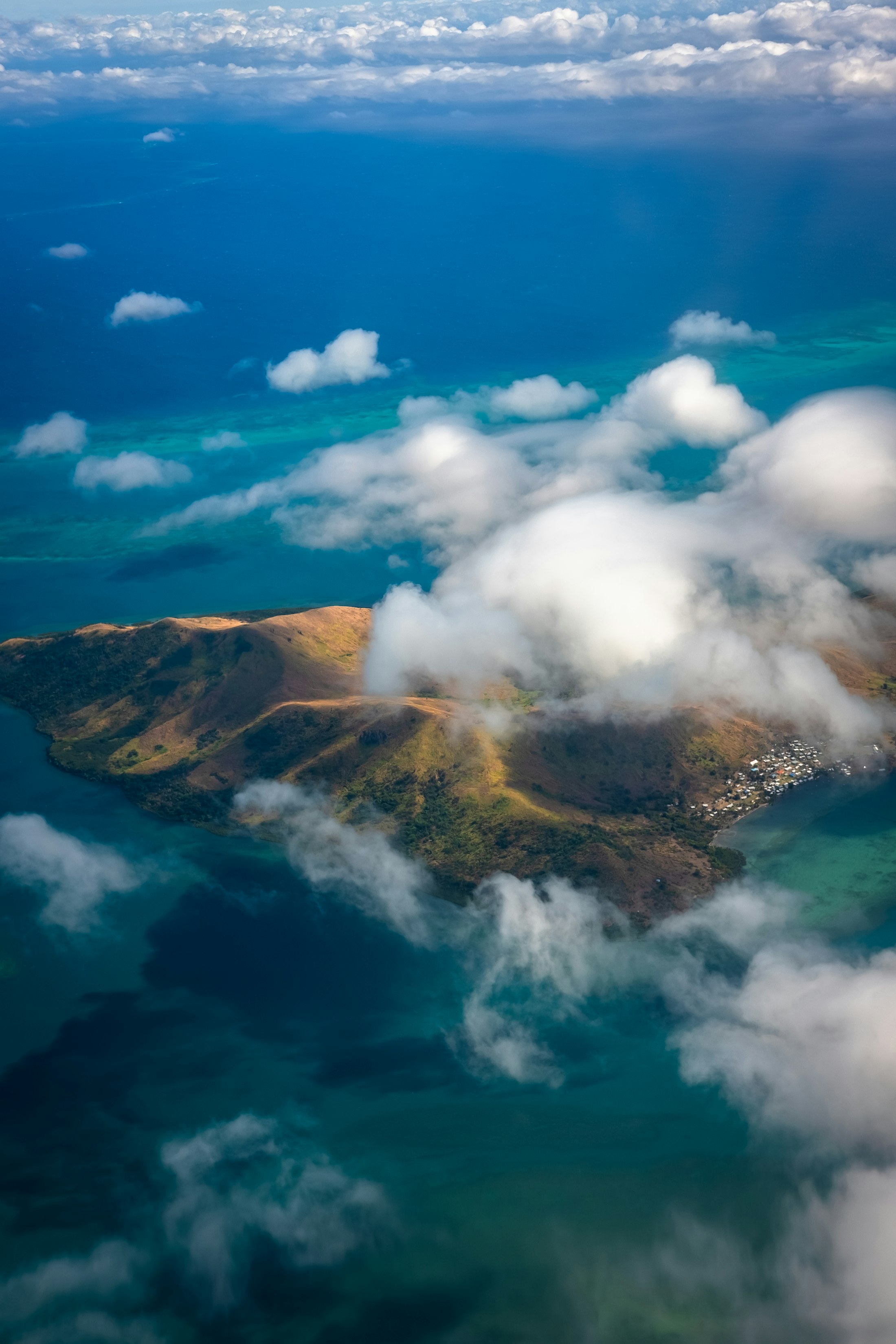
The bus from Nadi to Suva takes five hours if the driver is feeling charitable, and from Suva the ferry to Savusavu takes another twelve. I mention this not to discourage you but because the inconvenience is the point. Fiji's second city — a term I use generously, since the population hovers around five thousand — earns its quiet by being annoying to reach.
July is dry season, which in Savusavu means overcast mornings that burn off by ten and afternoons warm enough to swim but cool enough to sleep without air conditioning. It also means the vanilla harvest is underway, the kava is freshly pounded, and the yacht crowd hasn't yet descended for August's regatta season. The town smells like woodsmoke and curing vanilla. You can walk its entire main road in nine minutes. I timed it.
1. The vanilla farms actually let you in
Vanua Levu produces most of Fiji's vanilla, and July is when the green pods come off the vine. Several farms along the Hibiscus Highway between Savusavu and Buca Bay accept visitors, but the one worth your time is the operation run by the Tui family about 12 kilometers east of town. No sign. You ask at the petrol station near the Catholic church and someone will call ahead.
The tour is informal — you walk the rows, they explain the hand-pollination process (each flower gets one morning to be pollinated or it drops), and you end up in a curing shed that smells so intensely of vanilla it borders on medicinal. Pods sell for about FJD 15–20 each depending on grade. The B-grade pods, cosmetically imperfect, taste identical.
Skip the "vanilla experience" packages sold through resort concierges. They bus you to a different farm, charge FJD 90 per person, and add a coconut-oil demonstration that feels like a timeshare pitch.
Pro tip: Bring cash. None of the farms take cards, and the nearest ATM is back in Savusavu at the Westpac branch on the main road.
2. Kava is not a tourist activity here
Every guidebook frames kava as something you "try" in Fiji, like it's an item on a checklist. In Savusavu it's closer to infrastructure. The market vendors drink it. The bus drivers drink it. The guy fixing the outboard motor behind the copra shed is drinking it right now.
If you sit at the Planters Club on the waterfront — a low-slung building with ceiling fans and not much else — someone will eventually invite you into a circle. The protocol: clap once, accept the bilo with both hands, drink it in one go, clap three times. The taste is muddy and numbing. Your lips go rubbery. It is not delicious, and anyone who tells you otherwise is performing.
The kava circle is where you'll actually talk to people, hear about fishing conditions, learn which road washed out last week. Better travel intelligence than any tourism office I've encountered.
A bag of waka-grade kava at the Savusavu market runs about FJD 30–40. Bring one as a sevusevu — a gift offering — if you're visiting any village. Not optional.
3. Where to stay without paying resort prices
The resort industry on Vanua Levu would like you to believe you need an overwater bure and a private plunge pool. You don't.
Hot Springs Hotel, right on the main road near the actual hot springs, runs about FJD 120–150 per night for a double room with air conditioning. The rooms are plain. The restaurant downstairs does reasonable fish curry. Everything — the market, the Copra Shed Marina, the Westpac ATM — is within five minutes on foot.
Daku Resort, a few kilometers east, has self-contained bures starting around FJD 250 and a kitchen if you want to cook your own catch. The grounds are overrun with fruit trees, and the staff will leave you alone, which I consider a feature.
I'd avoid the places that market themselves with words like "exclusive" and "sanctuary." They're fine, but you'll spend FJD 800+ per night to be fenced off from the town that makes this place worth visiting.
Pro tip:Book direct by email or phone. Third-party booking sites often show Savusavu properties as sold out when they're not — the owners just haven't updated availability.
Stay in Fiji
Top-rated hotels near Fiji
Best locations · Verified reviews · Free cancellation
View deals
Expedia →4. The hot springs are underwhelming, and that's fine
Savusavu bills itself as the "hot springs town" and technically delivers: there are geothermal vents along the shore near the wharf, some of them hot enough to boil eggs. Locals actually do boil eggs in them. That's about it.
If you're expecting Rotorua or some kind of developed geothermal park, recalibrate. There's no boardwalk, no interpretive signage, no gift shop. Just some steaming ground near a parking area. You look at the steam, you touch the warm rock, you move on with your day. Ten minutes, tops.
5. The Copra Shed Marina and what to eat near it
The old copra warehouse on the waterfront has been converted into a small marina complex with a few shops and restaurants. On Saturday mornings the adjacent produce market fills up by 7 a.m.
Surf n Turf, inside the Copra Shed, does a solid kokoda — raw fish marinated in lime and coconut cream — for around FJD 18. The fish changes depending on what came in that morning. Last time I was there in July, it was walu, which has enough fat to almost cure itself in the acid. Order that and a Fiji Gold and you've spent under FJD 25 for lunch.
The market itself is worth an early visit. Root crops, bundles of duruka (a Fijian asparagus-like vegetable), banana varieties you won't find exported, and bags of freshly ground kava. Prices are not negotiable — the women who run the stalls set fair prices and don't appreciate haggling. Respect that.
Pro tip: The market thins out by 10 a.m. on Saturdays and barely operates other days. Get there by 7 if you want selection.
6. Getting there and getting around without a rental car
Fiji Link flies from Suva's Nausori Airport to Savusavu several times a week; the flight takes about 40 minutes and costs roughly FJD 300–450 one way depending on how far ahead you book. The airport is a grass strip. Do not be alarmed.
The alternative is the ferry from Suva, operated by Goundar Shipping. Economy class runs about FJD 60. The overnight crossing takes approximately twelve hours, arrives around 6 a.m., and the onboard food is negligible — bring your own. I once made the mistake of relying on the canteen and ended up eating plain crackers for dinner. Pack a thermos and sandwiches.
Local buses run along the Hibiscus Highway east toward Buca Bay and west toward Labasa. Fares are a few dollars FJD. Old Hinds with no air conditioning, windows permanently open, drivers who know every stop by heart even though nothing is marked. Tell the driver where you're going and they'll shout when it's your stop.
Taxis exist but are unnecessary for most of what you'll want to do in town. The drivers quote fair prices — FJD 5–10 for most trips within Savusavu — but the bus costs FJD 1 and goes to the same places.
Pro tip:If you take the Goundar ferry, book a cabin (around FJD 150) for the overnight. The economy deck seats don't recline and the fluorescent lights stay on all night.
Stay in Fiji
Top-rated hotels near Fiji
Best locations · Verified reviews · Free cancellation
View deals
Expedia →Essential tips
Carry FJD cash. Savusavu has exactly one Westpac ATM on the main road and it occasionally runs dry on weekends. Credit cards work at some hotels but almost nowhere else.
July is drier but mosquitoes persist near the mangroves at dusk. Bring DEET-based repellent from home — the local shops stock citronella sprays that are functionally decorative.
The Savusavu bus to Lesiaceva Point (about 30 minutes, FJD 2) gets you to a reef flat where you can snorkel without booking a boat trip. Bring your own mask — there's no rental operation.
Buy a Vodafone Fiji SIM at Nadi airport before you leave for Vanua Levu. Data coverage in Savusavu town is adequate; outside town it drops to nothing.
Ready to visit Fiji?
Book your hotel, flights, and activities through our Expedia-powered search.


