
In This Guide
- 1.Start at Plaça del Sol, but not for the reason everyone says
- 2.Bodega Cal Pep and why first-press cava matters
- 3.The pa amb tomàquet test
- 4.Mercat de l'Abaceria before it disappears entirely
- 5.Contra the consensus: Casa Usher is better at lunch
- 6.Plaça de la Vila de Gràcia and the long sit
- 7.Churrería on Carrer de Bruniquer
- 8.One last glass at Viblioteca
The last paper lantern from the Festa Major de Gràcia came down weeks ago, but the neighborhood still smells like vermouth and warm bread at eleven in the morning, which is really all you need to know about it. I walked back into Gràcia on a Thursday in late September, after the decorations had been stripped from Carrer Verdi and the tourist buses had rerouted themselves toward the Sagrada Família, and the difference was immediate — the plazas were half-empty, the café chairs were available, and nobody was trying to sell me a mojito.
This is when Gràcia is actually worth your time. Not during the festival, when every square meter of sidewalk is spoken for, but after, when the cava bars remember they don't have to shout.
1. Start at Plaça del Sol, but not for the reason everyone says
Every guide points you to Plaça del Sol for its "atmosphere," which in practice means you'll sit on a stone bench next to someone playing a djembe while their dog sniffs your ankles. I like it anyway, but not for the ambiance — I like it because Bar Canigó, on the northwest corner, pours a no-nonsense vermut de grifo for about €2.50 and doesn't try to upsell you on gin tonics. Order the vermouth, ask for a handful of olives, and watch the plaza do its thing.
The real reason to start here is orientation. From Plaça del Sol you're a three-minute walk to nearly every place on this list, and the slight downhill slope toward Travessera de Gràcia means you can eat and drink your way south without ever feeling like you're working for it.
Pro tip:Bar Canigó closes earlier than you'd expect — around midnight most weeknights. Don't plan it as your last stop.
2. Bodega Cal Pep and why first-press cava matters
I'll be honest: most cava I've had in Barcelona tastes like sparkling apology. It's thin, it's too cold, and it exists mainly to justify a €14 lunch menu. The stuff at Bodega Cal Pep on Plaça de la Revolució is different. They pour cava from small producers in the Penedès — the kind of bottles that don't make it onto supermarket shelves — and when you ask for a primera premsada, a first-press, you actually get something with weight and yeast and a finish that tastes like bread dough and green apple.
A glass runs €3 to €4.50 depending on the producer. The space is small, tiled in that old-Barcelona way that makes everything echo, and the staff will talk your ear off about fermentation if you let them. Let them.
Skip the cava bars along Passeig de Gràcia. They exist to move volume and charge you €8 for something you'll forget before you've finished the glass.
3. The pa amb tomàquet test
I judge every neighborhood in Barcelona by its pa amb tomàquet. It's the simplest dish in the Catalan repertoire — bread, tomato, olive oil, salt — and the hardest to fake. When the bread is stale or the tomato is mealy or the oil tastes like the inside of a tin can, you know exactly what kind of kitchen you're dealing with.
At La Pepita (Carrer de Còrsega, 343), they get it right. The bread is toasted dark enough to hold up under the tomato without turning into a crouton, and the oil is sharp, the kind that catches in the back of your throat. Order it as a starter before their bikini trufa, which is a toasted ham-and-cheese sandwich with truffle that sounds absurd and costs around €9 but works because they don't overthink it.
Two things worth knowing: La Pepita doesn't take reservations, and from about 9 to 10 p.m. on weekends the wait can push past forty-five minutes. Go at 8 p.m. or go on a Tuesday.
Pro tip:If you're comparing, try the pa amb tomàquet at Bar Bodega Quimet (Carrer de Vic, 23) the same day. It's a rawer version — thicker bread, rougher tomato. Two versions, same neighborhood, completely different philosophies.
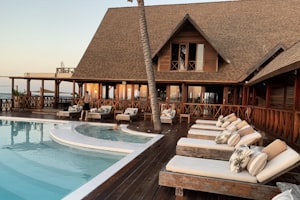
Stay in Barcelona
Top-rated hotels near Barcelona
Best locations · Verified reviews · Free cancellation
View deals
Expedia →4. Mercat de l'Abaceria before it disappears entirely
The Mercat de l'Abaceria Central on Travessera de Gràcia has been in various stages of renovation and uncertainty for years. Parts of it are open, parts of it are scaffolding, and whether the whole thing survives in its current form is anyone's guess. Go now.
What's still operating — a handful of fishmongers, a cheese stall with Garrotxa rounds that smell like damp cellar, a few fruit vendors — gives you a better sense of how Gràcia feeds itself than any restaurant can. I bought a wedge of aged Manchego and a bag of Padrón peppers for under €7 last September and ate them on a bench in Plaça de la Virreina like a feral person. No regrets.
Pro tip: Morning only. Most stalls wind down by 2 p.m., and by 3 the metal gates are coming down.
5. Contra the consensus: Casa Usher is better at lunch
Everyone treats Casa Usher (Carrer de Torrent de l'Olla, 172) as a nighttime wine bar. They're wrong, or at least they're missing the better version. At lunch, when the light comes through the front windows and there are maybe four other people inside, you can actually taste what you're drinking without shouting over someone's birthday party. The natural wine list rotates, but last time I sat at the bar they had a pét-nat from the Empordà that tasted like cider and limestone and cost €5 a glass.
They do small plates — cheese, charcuterie, conserves — and none of it is trying to be clever, which is exactly what you want when the wine is doing the work.
6. Plaça de la Vila de Gràcia and the long sit
Not every plaza in Gràcia deserves your time. Skip Plaça del Diamant if you're not specifically there for the Mercè Rodoreda connection — it's smaller and duller than you expect.
Plaça de la Vila de Gràcia, though, earns it: a clock tower, a few café terraces that don't gouge you, and enough foot traffic to keep things interesting without making you feel like you're in a theme park. Sol Soler, on the east side, does a decent tortilla and a glass of house red for around €4. That's it. That's the pitch.
I made the mistake once of trying to do Gràcia as a speed-run — twelve stops in four hours, the kind of itinerary that looks efficient on paper and leaves you bloated and irritable by sundown. The better move is to pick one plaza, order something, and sit until you feel like moving. Gràcia rewards patience more than ambition.
The clock tower has been the symbolic center of the neighborhood since 1862. The kind of landmark that matters to the people who live here and means almost nothing to anyone else.
Pro tip: If Sol Soler is full, walk thirty seconds to Café del Sol on Plaça del Sol. Similar prices, similar energy, worse tortilla but better people-watching angles.
Stay in Barcelona
Top-rated hotels near Barcelona
Best locations · Verified reviews · Free cancellation
View deals
Expedia →7. Churrería on Carrer de Bruniquer
No name on the storefront, or at least none I could make out under the grease-stained awning. Just a window counter, a fryer, and a woman who has clearly been doing this longer than I've been alive.
Churros at €1.50 for a generous handful. Thick, not the pencil-thin tourist version. The chocolate for dipping is optional and costs an extra euro, but you want it — it's dark, barely sweet, and dense enough that the churro stands up in it.
Morning only; I've walked past after noon and found the shutters down. Carrer de Bruniquer runs parallel to Travessera de Gràcia, a block north. Look for the small crowd.
8. One last glass at Viblioteca
Viblioteca (Carrer de Vallfogona, 12) is the kind of wine bar that would be insufferable if it weren't so genuinely good. The interior looks like a library that lost a fight with a wine cellar — shelves of bottles where books should be, dim lighting, a chalkboard menu that changes when it changes. They specialize in small-batch Catalan wines, and the servers know enough to steer you without performing expertise at you.
A glass of something interesting will run you €5-€7. Their cheese board, built around Catalan producers, is worth ordering if you haven't eaten yourself into oblivion already. I ended my last Gràcia evening here at around 11 p.m. on a Wednesday, slightly drunk on pét-nat and Garrotxa, and walked back to my hotel through streets that were quiet enough to hear my own shoes on the pavement.
Pro tip:Ask for whatever they've just opened. Viblioteca's staff will pour you a taste of something they're excited about before you commit — take them up on it.
Essential tips
Take the L3 to Fontana and walk north into the neighborhood. The Diagonal stop feels closer on the map but spits you out on a noisy avenue with no sense of arrival.
Gràcia eats late even by Barcelona standards. Most kitchens don't hit their stride until 9 p.m. If you show up at 7:30 you'll eat alone, which is either a problem or a strategy depending on your temperament.
Carry cash for the smaller bars and the churrería. Card terminals exist in theory but seem to break down on a rotating basis.
Avoid the week of the Festa Major de Gràcia (mid-August) unless crowds are specifically what you want. The food stalls during the festa are mostly afterthoughts — hot dogs and canned beer at festival markup.
Ready to visit Barcelona?
Book your hotel, flights, and activities through our Expedia-powered search.