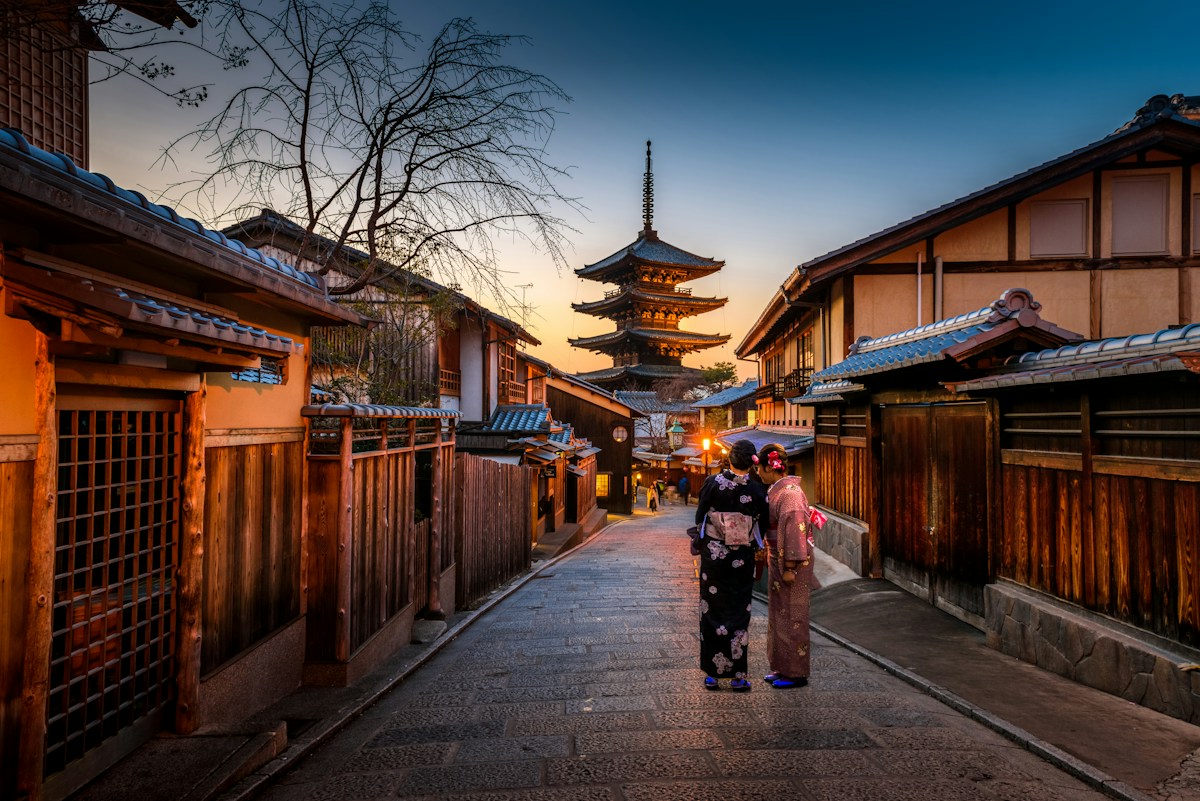
Kyoto asks you to slow down and mean it
Fifteen centuries of ritual have made Kyoto the rare city where patience is the actual point.
Advertisement
The city that resists your schedule
Most cities reward momentum. Kyoto punishes it. Arrive with a packed itinerary and the place will simply refuse to cooperate — the light changes, a monk passes, a garden demands ten minutes of sitting that you hadn't planned for. We've learned to let it. The Ryōan-ji rock garden, fifteen stones arranged in raked white gravel, is where this lesson lands hardest. There is no correct reading of the composition, no placard that resolves it. You stand at the wooden veranda and the smell of old timber and damp moss rises up, and either you stay until something shifts inside you, or you take the photograph and leave with nothing.
Craft here is not performance
Kyoto's artisan culture is sometimes marketed as spectacle, a living museum for tourists to file past. That framing is wrong and slightly insulting to the people doing the work. At Ichihara Heibei Shōten, a brush shop on Teramachi-dori that has been operating since 1864, the staff will spend fifteen minutes helping you choose a single calligraphy brush. They are not performing tradition. They are doing their job, which happens to require the same materials knowledge it required in the Meiji era. The bristles of a high-grade brush feel like cool water drawn across the back of your hand — that specificity is the point of the place, not the age of the building.
What the river understands about September
By mid-September the Kamo River has dropped from its summer height, and the stepping stones between Marutamachi and Sanjō bridges emerge from the water like a sentence resuming after a pause. Couples sit on the sloped banks in that particular Kyoto posture — equidistant from one another, the informal city ordinance that locals joke about and tourists slowly realize is real. The light at dusk on the eastern mountains turns a color that the Japanese call tasogare-doki, the hour when you can no longer recognize a face. We find this a more honest description than anything a travel writer would manufacture for it.
The city is structured around return — the same garden in different weather, the same street in morning light instead of afternoon.
The tea ceremony is not a tourist attraction
We know how that sounds. But there is a difference between the thirty-minute tourist experience and sitting a proper chanoyu session at Urasenke, one of the three grand tea houses that have transmitted the Rikyū school since the sixteenth century. The difference is the silence. In a legitimate session, the only sounds are the iron kettle's low, oceanic hiss — matsukaze, pine-wind, is what the schools call it — and the soft weight of a bowl being placed on tatami. The architecture, the scroll in the alcove, the single seasonal flower chosen that morning: all of it is pressure applied against distraction. That is the practice. Walking out afterward, Kyoto feels louder and more deliberate than it did before.
Advertisement