Why No US Carrier Ever Flew The Airbus A380 Superjumbo
Despite dominating global aviation through major hubs, America's Big Three airlines opted for flexibility over capacity when Airbus introduced its double-decker jet nearly two decades ago.
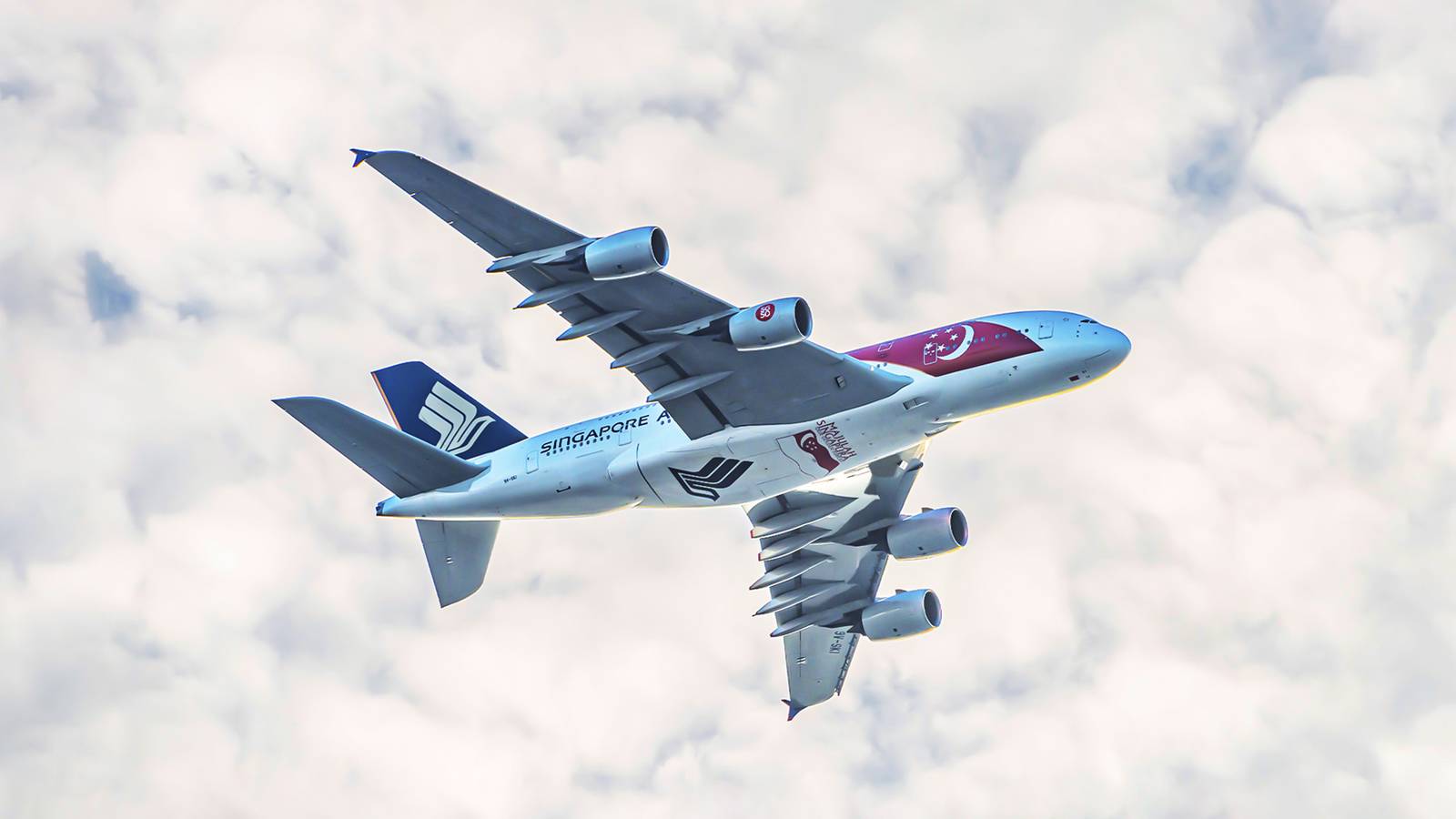
When Airbus launched commercial service of its A380 superjumbo in 2007, the manufacturer anticipated strong interest from US carriers operating hub-focused networks. Yet nearly twenty years later, no American airline has ever placed the double-decker aircraft into service — a conspicuous absence given the domestic industry's reliance on major hub airports.
The European planemaker began developing the A380 in the early 1990s as a solution to mounting congestion at the world's busiest airports. The aircraft's core proposition centered on moving larger passenger volumes per flight movement, an approach designed for the hub-to-hub operational model that dominated long-haul aviation at the time. However, by the jet's market debut, the industry had already begun shifting toward more distributed route networks enabled by fuel-efficient twin-engine aircraft.
The mismatch between the A380's design philosophy and US carrier strategies becomes apparent when examining network structures. American Airlines, Delta Air Lines, and United Airlines — the country's Big Three carriers — collectively operate from 27 hubs spanning 22 airports, according to their published route maps. These facilities serve dual purposes: connecting international travelers to global destinations while anchoring extensive domestic networks that crisscross the continent.
This multi-hub configuration proved incompatible with the superjumbo's economics. Where the A380 excelled at shuttling high volumes between mega-hubs like London and Dubai, American carriers needed aircraft capable of serving dozens of city pairs from multiple home bases. The proliferation of hubs — rather than concentration at a few gateway airports — meant passenger loads would be distributed across numerous routes, leaving the 500-plus-seat superjumbo oversized for most markets.
The emergence of long-range twin-engine jets offered US airlines an alternative that aligned with their operational preferences. These aircraft provided the flexibility to open point-to-point routes while maintaining the range necessary for intercontinental service, ultimately delivering the network versatility that proved more valuable than raw passenger capacity in the American market.