US Marine Corps and Navy Pilots Earn Identical Base Salaries Under Unified Military Pay Scale
Despite different training requirements and missions, military aviators across all US armed forces branches receive the same officer compensation based solely on rank and years of service.
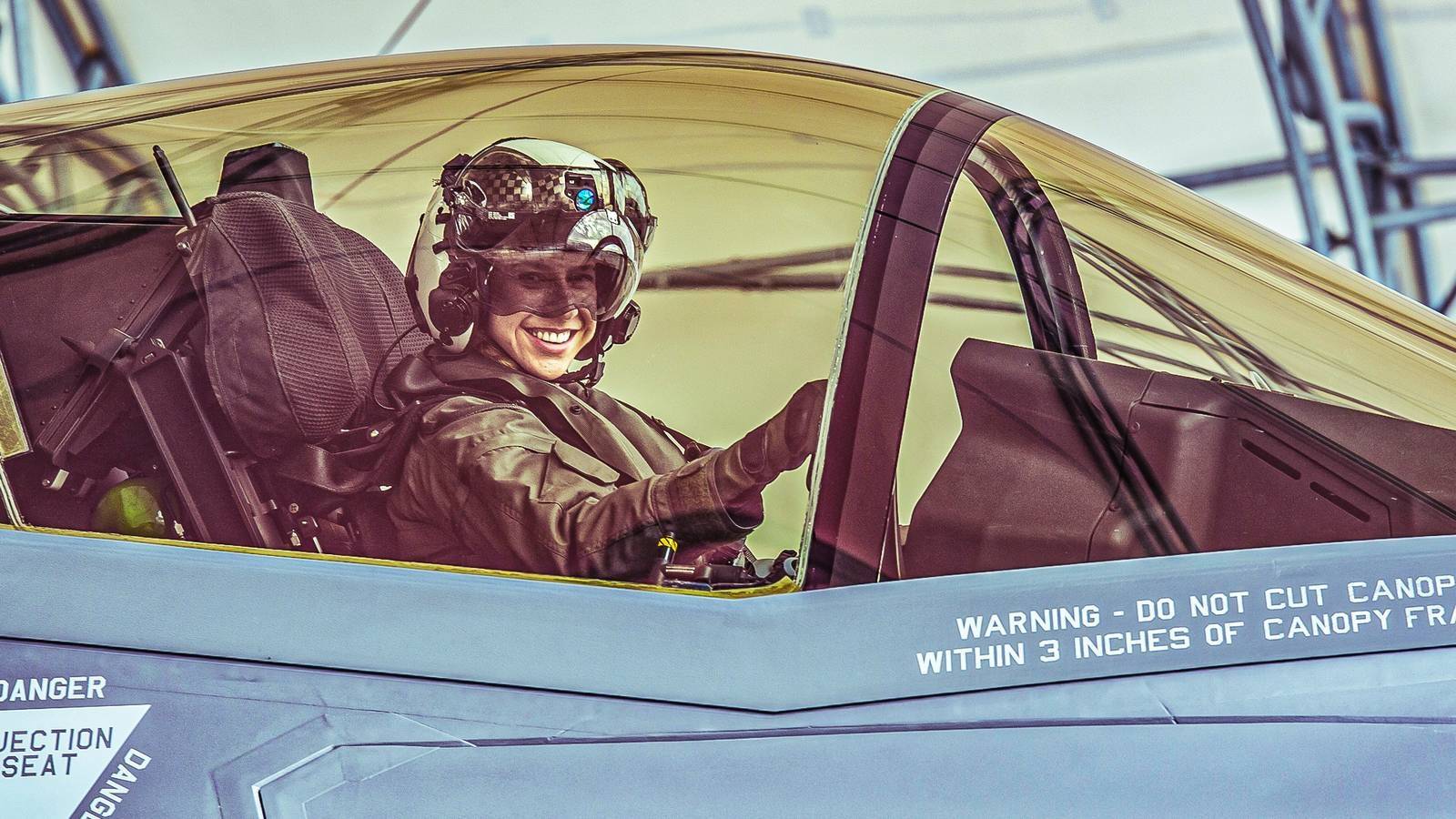
Prospective military aviators considering service in the US Marine Corps or US Navy will find no difference in base compensation between the two branches, as all military officers receive identical pay determined by rank and time served rather than service branch or specialty.
Marine Corps pilots face distinct training requirements compared to their Navy counterparts, beginning with a mandatory six-month ground combat leadership course at The Basic School before aviation training can commence. Aspiring USMC aviators must first earn a four-year college degree and commission as officers through pathways including Officer Candidates School, Platoon Leaders Class, the Naval Academy, or Naval ROTC. Candidates must also pass the Aviation Selection Test Battery and meet stringent medical standards.
Despite these additional requirements, compensation remains standardized across all armed forces branches. Entry-level Second Lieutenants (O-1) earn approximately $56,000 annually, while First Lieutenants (O-2) receive roughly $68,000 and Captains (O-3) earn around $87,000 in base pay. Officers typically advance to O-2 after 24 months of active commissioned service and reach O-3 at the five-to-six-year mark.
Senior officer ranks command significantly higher compensation, with Majors (O-4) earning about $101,000 yearly, Lieutenant Colonels (O-5) receiving approximately $121,000, and Colonels (O-6) earning $144,000 in base pay. Unlike junior promotions, advancement to these senior positions requires competitive selection based on service records, accomplishments, and fitness evaluations, typically occurring only after a decade or more of military service.
The Marines' emphasis on infantry training first reflects the service branch's distinct philosophy that all Marines are riflemen regardless of specialty. This approach differentiates USMC aviators from Air Force and Navy pilots in mission focus and mindset, even though the financial compensation structure remains uniform across the military's officer corps.