US Air Force Extends B-1B Bomber Service to 2037 Amid Combat Losses
The service has reversed plans to retire its Lancer fleet by 2030, opting instead for a $350 million upgrade program following heavy aircraft losses and depleted missile stocks during recent combat operations.
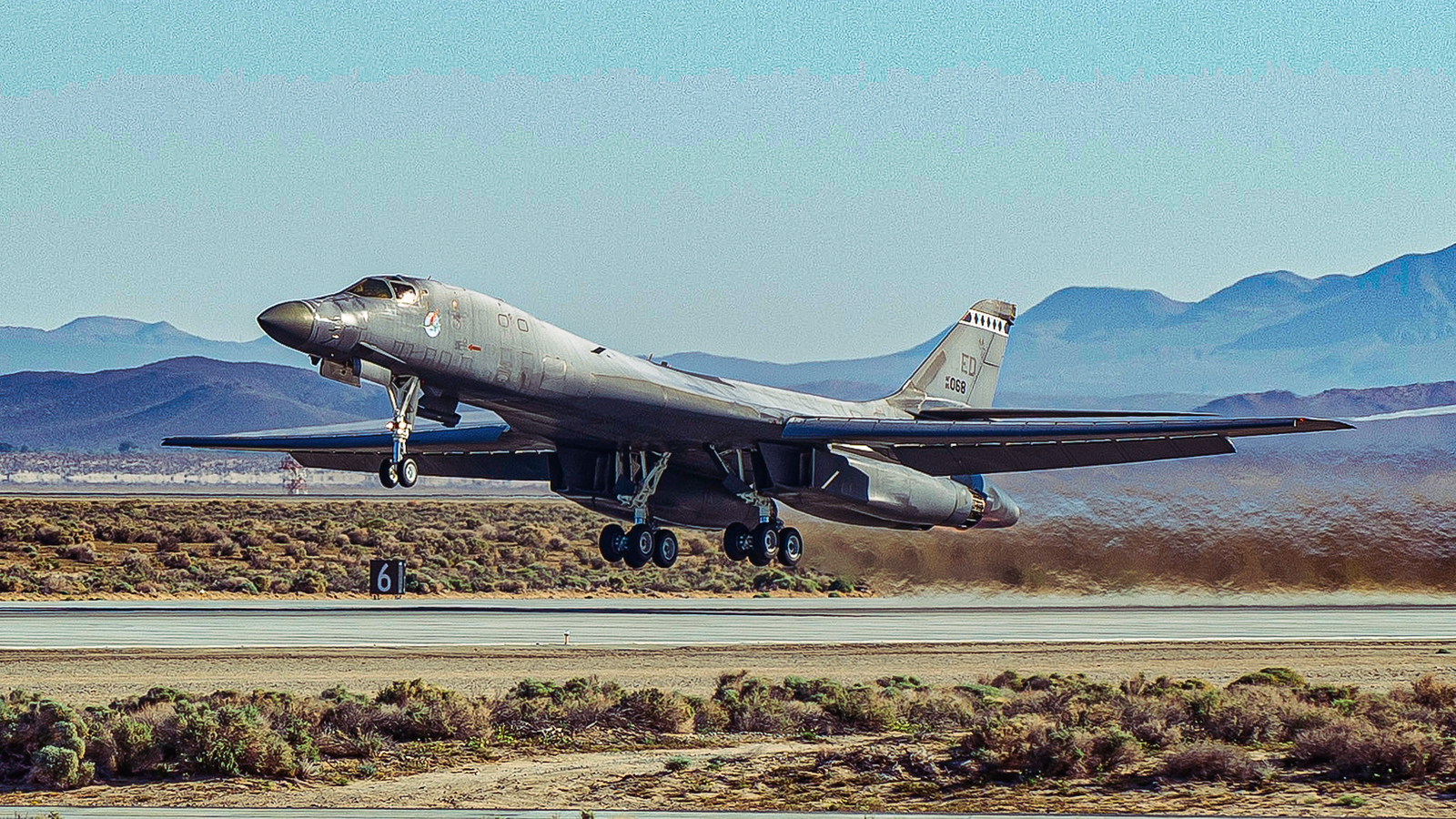
The US Air Force has abandoned its timeline to sunset the B-1B Lancer supersonic bomber by decade's end, announcing the Cold War-era platform will now remain in service until at least 2037 following operational losses and modernization delays across its bomber fleet.
A service life extension valued at nearly $350 million will retrofit 44 of the swing-wing aircraft over the next four to five years, the Air Force confirmed this week. The reversal stems from what the service characterizes as unanticipated combat attrition during Operation Epic Fury, where 42 aircraft were destroyed and strategic cruise missile inventories were critically drawn down—circumstances the original divestment blueprint had not accounted for.
The Lancer, originally conceived as a nuclear-capable penetration bomber during the Reagan administration, evolved into a close air support workhorse following the Soviet Union's collapse. During Epic Fury, the bombers launched AGM-158B JASSM-ER standoff cruise missiles from bases including Diego Garcia, operating alongside B-52 Stratofortresses and B-2 Spirits in a campaign that independent tracking indicates involved more than 13,000 sorties.
"The B-1 is a tried and true asset that provides real combat value that is needed now," according to the report, which notes the extension bridges a capability gap until Northrop Grumman's sixth-generation B-21 Raider can assume full operational capacity. Though the stealthy new platform's introduction is proceeding relatively on schedule, production increases of 25 percent and $1.7 billion allocated to modernize the B-2 fleet still leave the service short of bomber capacity in the near term.
The upgraded Lancers, nicknamed "Bones" by their crews, could potentially serve into 2040 under the revised plan—a decade beyond the original sunset date and more than half a century after the type's 1980s entry into service.