Trump Civil Rights Official Questions Uber Driver Etiquette in Social Media Post
A Justice Department official sparked debate after publicly questioning whether ride-share drivers should assist passengers with luggage at airports, raising concerns about expectations and potential conflicts of interest.
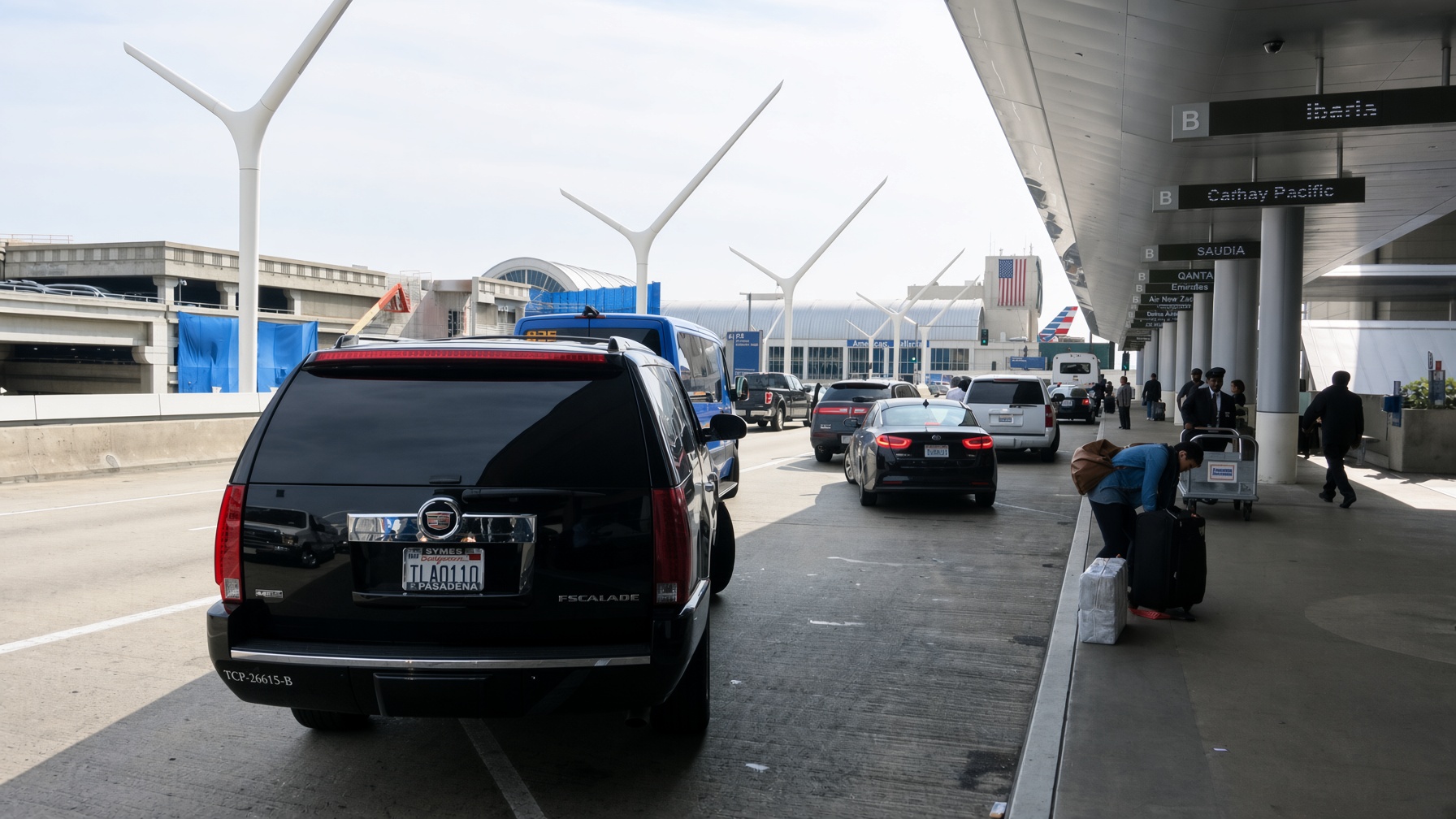
The Assistant Attorney General for Civil Rights has drawn attention after posting on social media about an Uber driver who declined to assist with luggage during an airport trip, prompting questions about service expectations and the appropriateness of public officials criticizing companies they may regulate.
In a post on her personal social media account, Harmeet K. Dhillon described a ride-share experience where her driver, whom she characterized as an "able-bodied (seemingly) male" individual, did not help load what she termed a "modest carry-on" bag into the vehicle's trunk. The official questioned followers about how such service should affect tipping decisions and noted the driver offered no "colorable excuse" for declining assistance.
The incident has raised questions about service standards across Uber's product tiers. According to industry observers, Uber Black—a premium service featuring professional drivers—officially includes luggage assistance as a standard offering, while the standard UberX product does not explicitly promise such help. The distinction between these services has reportedly blurred in recent years, with the primary differences now centering on vehicle type and airport pickup locations rather than service levels.
The post has generated debate on multiple fronts. Critics have questioned whether a senior civil rights enforcement official should publicly characterize service providers based on perceived gender and physical ability, particularly when such assessments might conflict with anti-discrimination principles. Others have raised concerns about whether public complaints from government officials carry implicit regulatory threats, even when posted from personal accounts that reference official positions.
The discussion also highlights ongoing debates about ride-share compensation structures. Industry analysis suggests that when Uber introduced tipping functionality, the company simultaneously reduced base driver pay, effectively shifting compensation burden to customers rather than increasing total driver income. This mechanism reportedly works because drivers psychologically overvalue potential tips compared to guaranteed higher trip fees, allowing platforms to reduce their direct labor costs while maintaining driver participation.