Sixth-Generation Fighters Set to Surpass F-22 and F-35 Capabilities
The U.S. Air Force's next wave of combat aircraft will leverage distributed electronic warfare, advanced sensors, and emerging technologies to outperform current fifth-generation platforms.
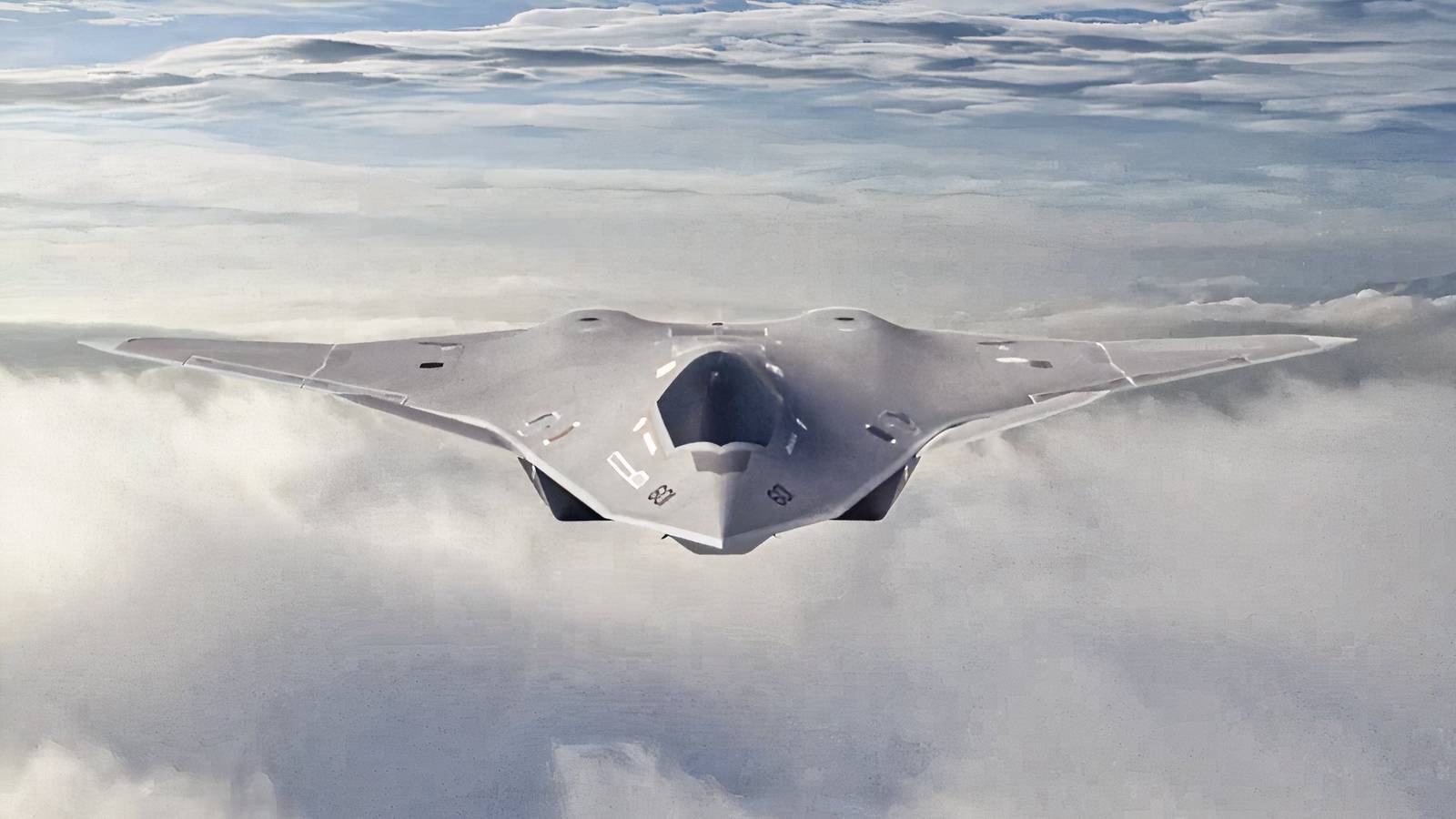
The United States Air Force is developing sixth-generation fighter aircraft that will reportedly exceed the capabilities of its current frontline jets, the F-22 Raptor and F-35 Lightning II, according to a detailed analysis of emerging military aviation technology.
While fifth-generation platforms currently dominate aerial combat through stealth, sensor fusion, and network-centric warfare capabilities, the next generation of fighters is expected to incorporate several technological leaps that will define air superiority for decades to come. Among the anticipated advances are distributed electronic warfare systems, more capable propulsion units, directed-energy weaponry, and the integration of semi-autonomous unmanned aerial vehicles that can operate alongside piloted aircraft.
Electronic warfare represents one area where sixth-generation designs will reportedly advance beyond current platforms. The F-35 currently employs the AN/ASQ-239 electronic warfare suite for disrupting, degrading, or deceiving adversary systems that rely on the electromagnetic spectrum. Next-generation aircraft are expected to distribute sensing and electronic warfare capabilities across multiple apertures positioned around the airframe, rather than depending primarily on forward-facing sensor arrays. This distributed architecture could enhance situational awareness and electronic attack capabilities across a broader operational envelope.
The electromagnetic spectrum encompasses radio frequencies, radar bands, infrared, ultraviolet, and other wavelengths that modern militaries use for communications, targeting, and battlefield coordination. Control of this spectrum allows forces to blind opponent sensors, disrupt command networks, and create conditions favorable for kinetic strikes against physical targets. By advancing electronic warfare technology, sixth-generation platforms are intended to establish information dominance before engaging in direct combat.
Defense analysts suggest that the combination of sixth-generation aircraft working alongside legacy F-22 and F-35 platforms will create a layered combat capability for both the Air Force and Navy. Rather than replacing fifth-generation fighters immediately, the new aircraft are expected to complement existing fleets while introducing capabilities tailored to emerging threat environments characterized by great power competition and increasingly sophisticated air defense networks.