Russia's Il-96 Revival Stalls As Cuba Retires Last Commercial Units
Plans to resurrect the Soviet-era widebody have faltered, with upgrade programs moving backward and Cubana de Aviación no longer operating the type despite a 2025 refurbishment effort.
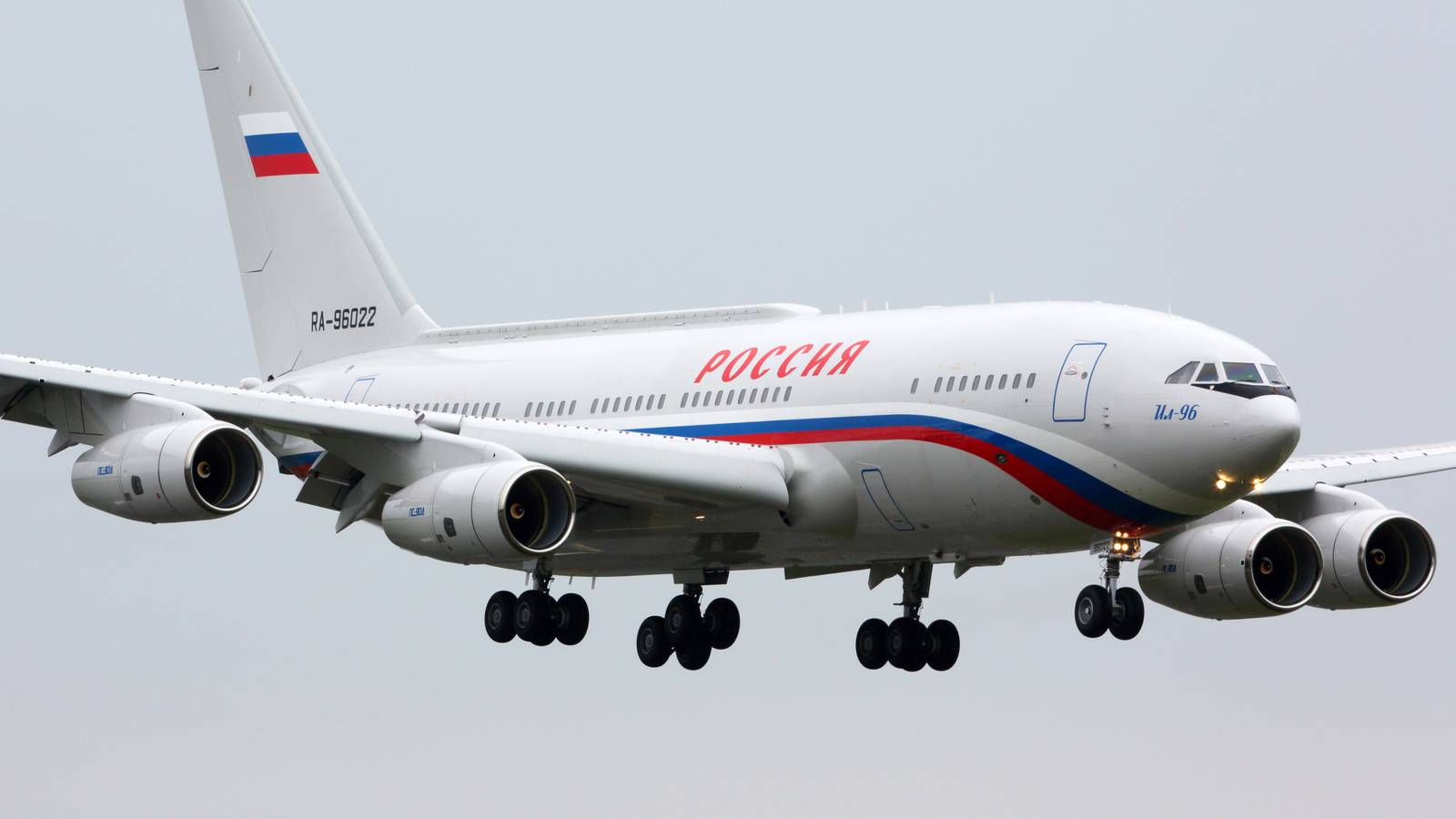
Russia's ambitious plans to revive the Ilyushin Il-96 widebody airliner have encountered significant setbacks, according to a recent industry analysis, with the aircraft's brief commercial comeback now effectively over.
Following international sanctions imposed after the 2022 invasion of Ukraine, Moscow appeared poised to breathe new life into the Soviet-designed widebody as Western aircraft became unavailable. The strategy initially seemed viable when Cuba's Cubana de Aviación continued operating the type, even refurbishing one aircraft that returned to service in 2025. However, no Il-96s currently remain in commercial passenger operation with the carrier, and Russia's domestic upgrade initiative has reportedly lost momentum.
The failed resurrection highlights a fundamental challenge facing Russian aviation: while the country retained substantial aerospace manufacturing capability from the Soviet era, it has grown critically dependent on Western technology. Modern Russian aircraft programs, including the Sukhoi SuperJet regional jet and the MC-21 narrowbody, rely on approximately 60–80 percent imported components, particularly engines, which now face export restrictions from Western nations.
Russia's isolation extends beyond American and European suppliers. The country can no longer import aircraft from China's COMAC or Brazil's Embraer, as these manufacturers incorporate Western-controlled components subject to the same trade limitations. This leaves Moscow dependent on its inherited Soviet-era production infrastructure, which by 1992 had already fallen considerably behind Western designs in commercial aviation technology.
The Il-96 has survived in extremely limited numbers since the Soviet collapse, sustained primarily through sporadic Russian government orders for military and VIP transport rather than airline demand. Domestic carriers like Aeroflot abandoned Soviet types for Airbus and Boeing equipment in the 1990s, effectively dismantling Russia's commercial aviation sector overnight. Even airlines in countries like Vietnam discontinued purchases of Russian-built airliners during that period.
The widebody's failure to attract operators—even among airlines now cut off from Western aircraft—underscores the difficulty of competing with modern Airbus and Boeing products using decades-old airframe designs, regardless of sanctions-driven market conditions.
Plan this trip
You've read what changed in Russia. Here's what it costs.