Riyadh Air Launches Scheduled Service, Expands to Eight Cities
Saudi Arabia's second flag carrier has transitioned from invitation-only flights to public operations, adding multiple European, Middle Eastern, and Asian destinations within its first two months.
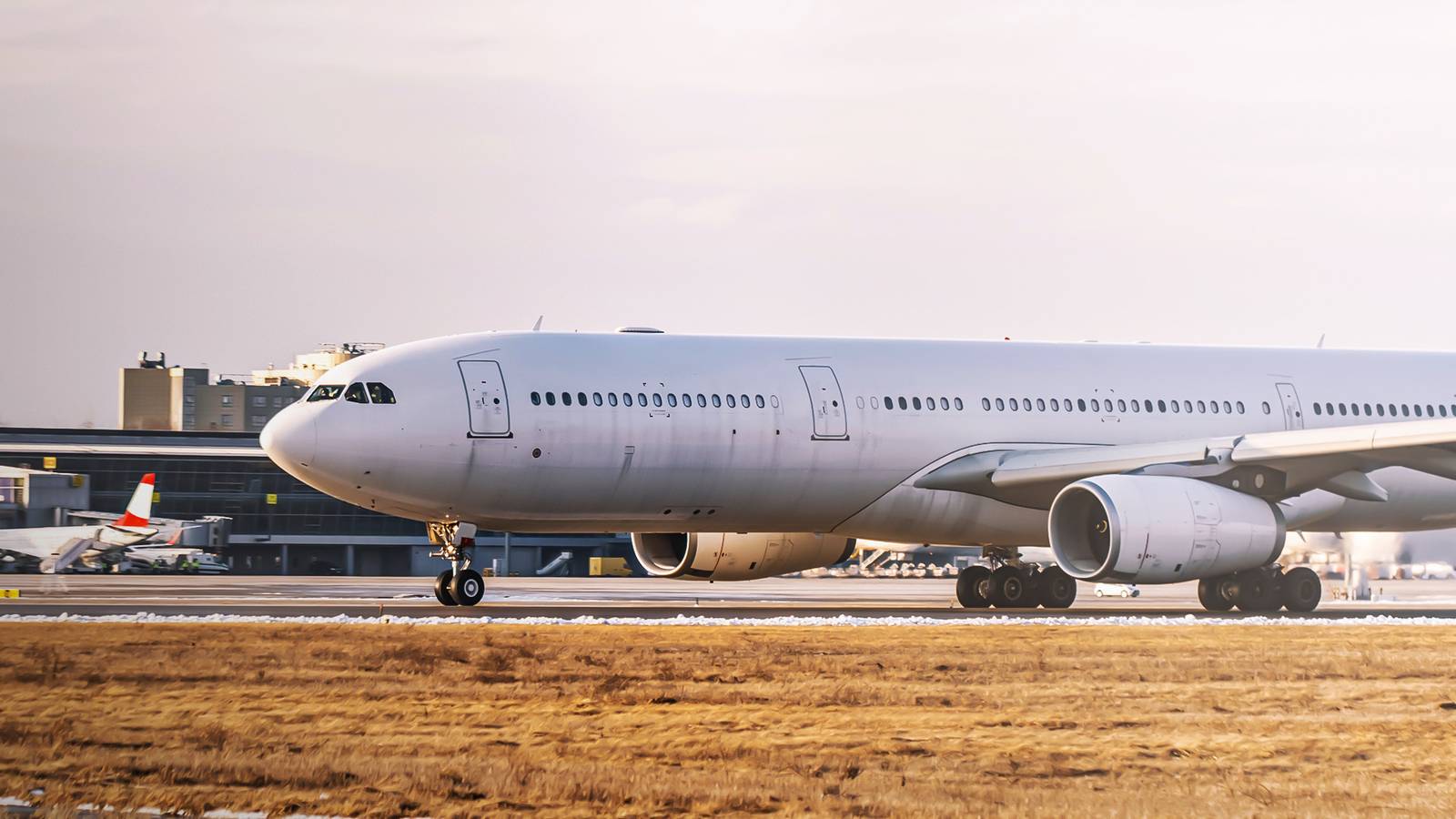
Saudi Arabia's Riyadh Air has commenced regular passenger operations after completing a multi-month invitation-only testing phase, marking the kingdom's latest push to diversify its aviation sector beyond national carrier Saudia.
The airline opened its network to paying customers in June with Boeing 787-9 service linking Riyadh and London Heathrow. That followed an eight-month "Pathway to Perfect" program beginning in October 2025, during which the carrier flew employees and invited passengers on a leased Dreamliner previously operated by Oman Air, according to the report.
By late July, the fledgling carrier had extended operations to seven additional points. Daily frequencies now connect the Saudi capital with Cairo and Dubai, while three-times-weekly service reaches Madrid, Manchester, and the leisure market of Malaga. The Spanish coastal city represents seasonal summer flying, a category often reserved for more mature airlines.
Further expansion is slated for late summer, with three-weekly Kuala Lumpur flights beginning July 30 and daily Dhaka service launching August 7. Several of the destinations had previously lacked nonstop links from Riyadh, giving the new airline an opportunity to capture unserved demand in both business and visiting-friends-and-relatives traffic.
The rapid buildout reflects broader ambitions in the kingdom, where aviation development forms a pillar of economic diversification efforts. Riyadh Air's entry adds competitive pressure to existing Gulf carriers and creates new one-stop options for travelers connecting between Europe, the Middle East, and South Asia.
Industry observers note the airline's choice to serve both high-frequency business routes and seasonal leisure markets simultaneously, a strategy that balances load factors across its small but growing fleet of widebody jets.