Pilots Highlight Cockpit Design Shifts Moving From 737 MAX to A320neo
Transitioning aviators report immediate differences in workspace dimensions, control philosophy, and automation approach between Boeing's latest narrowbody and Airbus's fly-by-wire competitor.
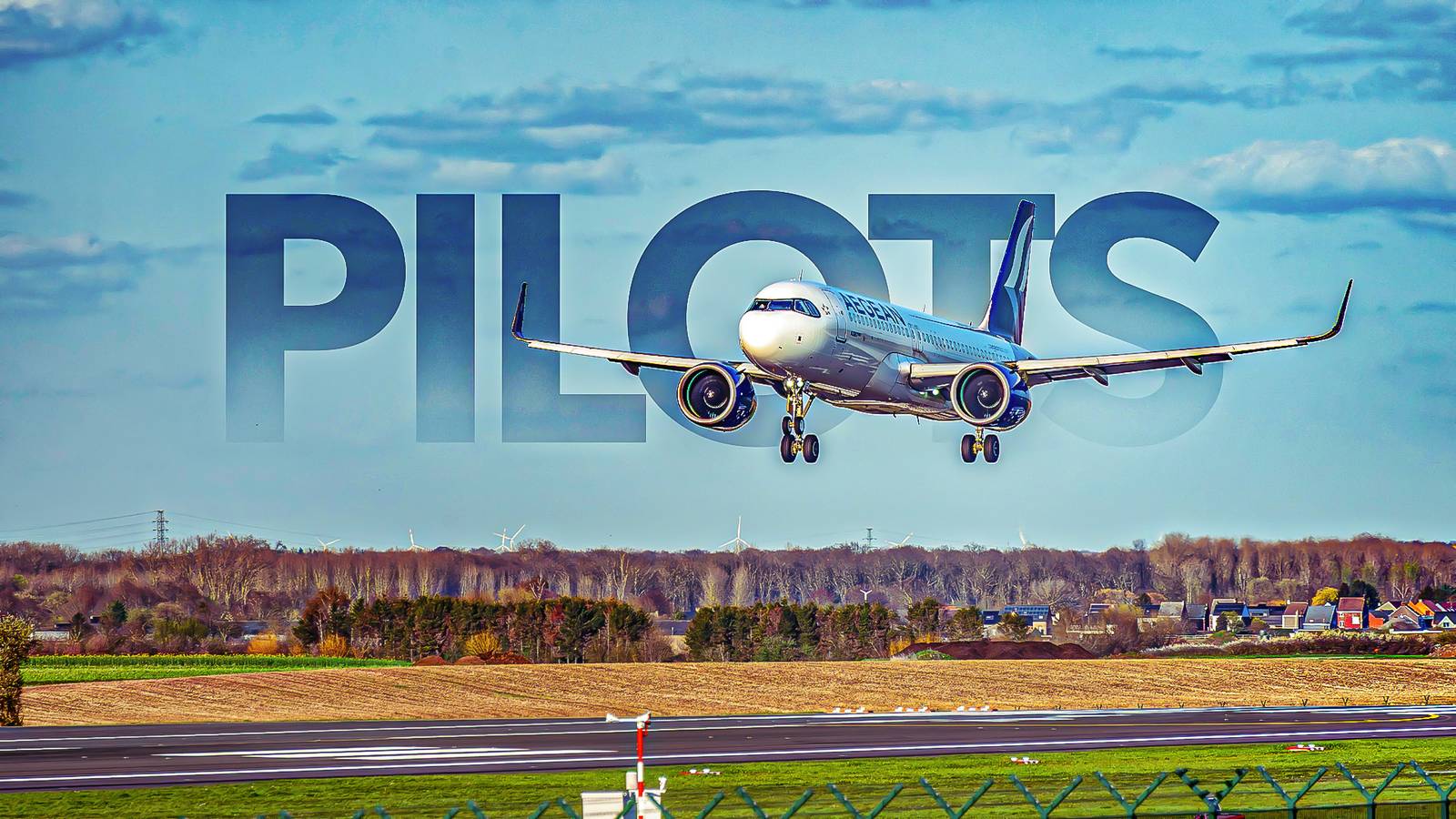
Aviators switching between the Boeing 737 MAX and Airbus A320neo encounter contrasts rooted in decades of divergent engineering philosophy, according to industry analysis. While both aircraft entered revenue service within a year of each other — the A320neo in 2016 and the 737 MAX in 2017 — their design lineages trace back to vastly different eras. The A320 family emerged in the 1980s as the aviation industry's first digitally controlled fly-by-wire narrowbody, whereas the 737's foundational architecture dates to 1965.
Performance specifications place the two models in similar operational envelopes. The 737 MAX 8 reportedly cruises near Mach 0.79 with range capability around 3,550 nautical miles, while the A320neo operates at approximately Mach 0.78 across a 3,400 to 3,700 nautical mile radius depending on configuration. Standard cabin layouts for both accommodate between 150 and 180 passengers, yet the piloting experience diverges sharply once flight crews enter the cockpit.
Physical workspace dimensions represent one of the most immediately apparent differences. The A320neo's flight deck spans roughly 12 feet one inch in width, benefiting from a fuselage cross-section originally engineered to accommodate digital avionics and laterally mounted flight controls. This design yields greater shoulder clearance and expanded instrument real estate. The 737 MAX cockpit, constrained by a narrower fuselage measuring approximately 11 feet seven inches, offers noticeably tighter quarters despite Boeing's integration of four large-format displays measuring around 15.1 inches diagonally on recent variants.
Panel architecture reflects each manufacturer's distinct approach to modernization. Airbus employs a centralized, display-centric interface utilizing six primary liquid crystal screens, while Boeing's layout represents evolutionary refinements applied to a legacy framework. According to the analysis, these contrasts affect pilot scan patterns, situational awareness development, and fatigue accumulation during extended duty periods.
The philosophical divide extends beyond physical ergonomics into fundamental control methodology and automation integration, shaping how transitioning pilots must recalibrate not merely procedures but core operational instincts developed on their previous type. The contrast between traditional control columns and side-mounted sticks alone requires significant muscle memory adjustment for crews moving between the two platforms.