Pacific Nation Nauru Officially Adopts Indigenous Name Naoero
The tiny island republic has reclaimed its traditional name after more than a century of using a colonial-era designation adopted for foreign pronunciation convenience.
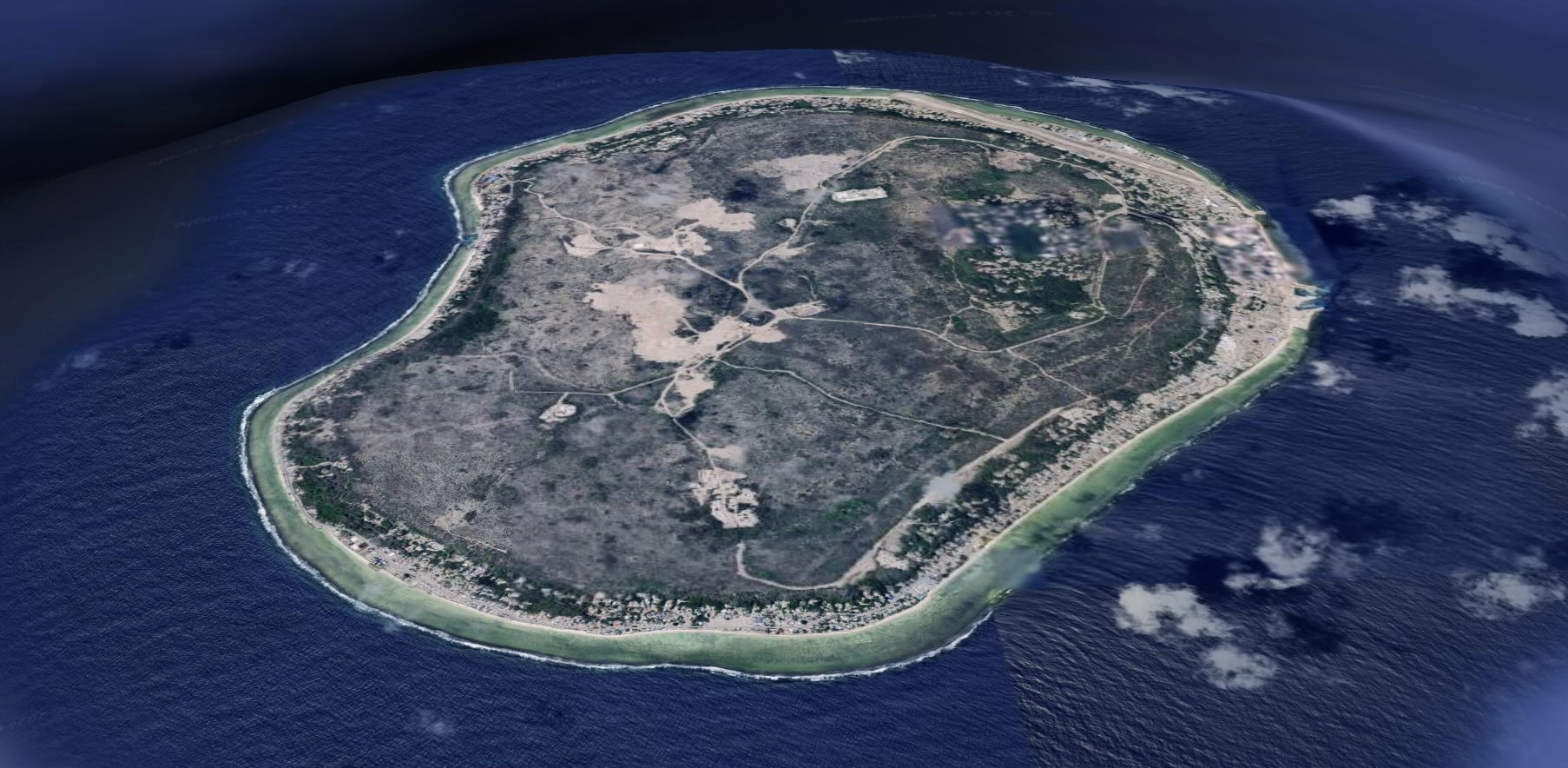
The Pacific island republic formerly known internationally as Nauru has completed its transition to the Republic of Naoero, marking a significant step in reclaiming the country's Indigenous identity. The name change, which took legal effect on June 26, 2026, replaces a designation that gained prominence during the colonial era when foreign visitors found the authentic pronunciation challenging.
Under the new nomenclature, the abbreviated country name becomes Naoero—pronounced approximately "now-ero"—while its international country code shifts from NRU to NRO. Citizens will now be referred to as dei-Naoero rather than Nauruans. The nation's airport has been renamed Naoero International Airport, though its aviation code remains INU. The flag carrier, Nauru Airlines, has not yet announced whether it will follow suit with a rebrand.
According to reports, Naoero represents the country's traditional Indigenous name, already in widespread local use and featured on the national coat of arms. The government indicated that the "Nauru" spelling became dominant because foreign visitors struggled with pronouncing Naoero, with convenience eventually displacing the authentic name in international contexts. The island nation was annexed by the German Empire in the late nineteenth century, later fell under Australian administration during World War I, and achieved independence from Australia in 1968.
Parliament unanimously approved a constitutional amendment authorizing the change in May 2026. While officials initially anticipated putting the matter before voters in a referendum, President David Adeang ultimately determined such a measure was unnecessary. His rationale held that Naoero was already the people's recognized identity—present in the constitution, spoken throughout communities, and displayed on official emblems—and therefore did not require public acceptance of an unfamiliar designation.
The United Nations and several foreign governments have reportedly begun adopting Republic of Naoero in official communications. President Adeang framed the decision as an effort to preserve national heritage and strengthen pride, emphasizing that authentic names carry particular significance when outside powers have historically substituted easier alternatives. The single-island republic covers approximately eight square miles with a population of roughly 12,000, ranking among the world's three smallest sovereign nations by both land area and population.
Planning Nauru


Plan this trip
You've read what changed in Nauru. Here's what it costs.