MD-11 Passenger Jet Survived on Cargo Conversions After Airline Rejection
McDonnell Douglas's ambitious widebody, launched in 1990 to compete with Boeing and Airbus rivals, failed to meet commercial expectations with passenger carriers but found extended life serving freight operators.
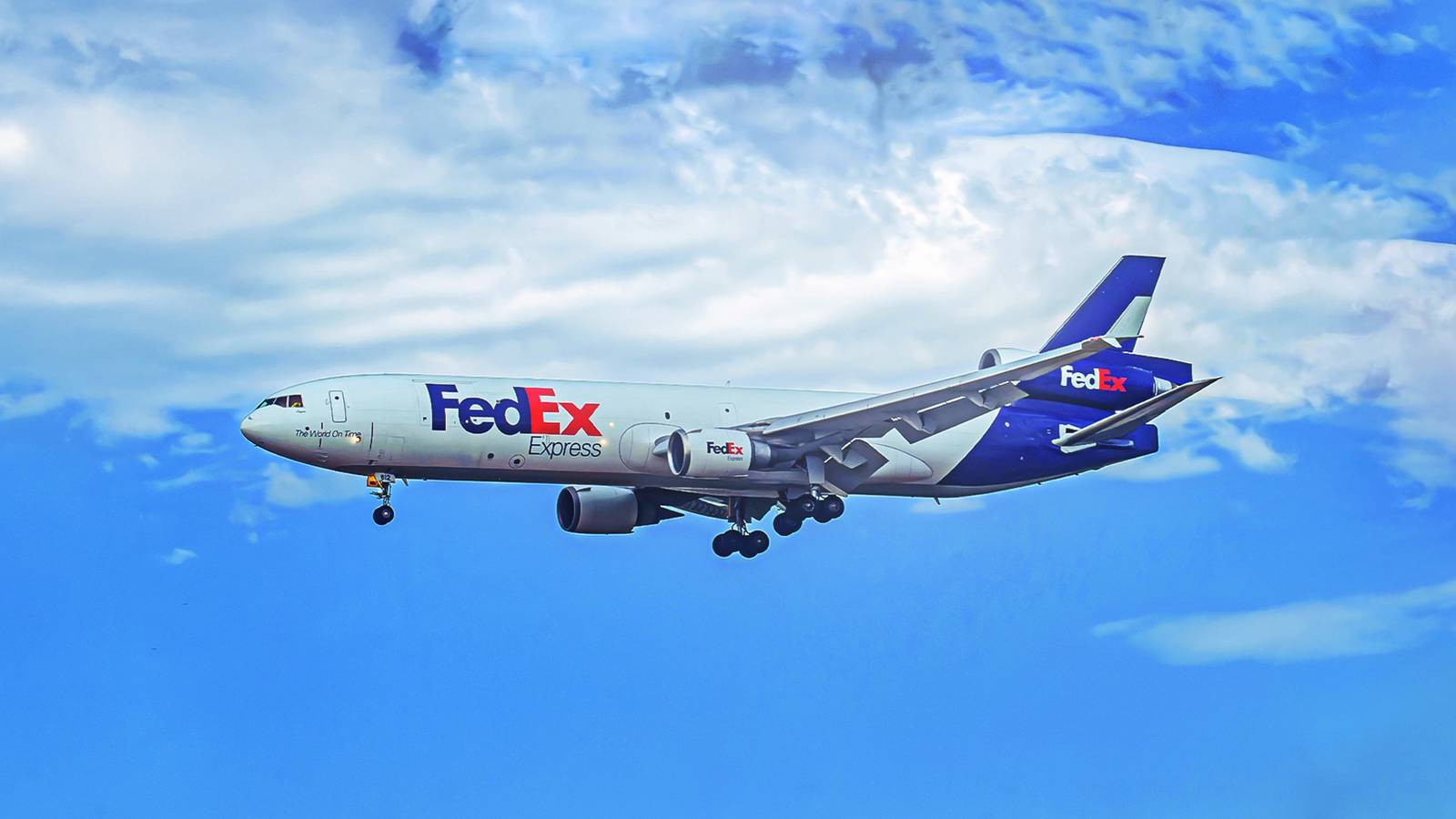
The McDonnell Douglas MD-11, introduced in the early 1990s as a modernized successor to the DC-10, struggled to gain traction with passenger airlines despite strong initial expectations from its manufacturer. The aircraft's extended operational life came primarily through cargo conversions rather than passenger service, according to industry analysis.
McDonnell Douglas officially launched the MD-11 program in late 1986 with commitments for 52 aircraft from ten airlines. The manufacturer positioned the tri-jet as a direct competitor to Boeing's 777 and Airbus's A340, both under development at the time. The MD-11 retained the DC-10's fundamental design while adding approximately 5.6 meters to the fuselage length, bringing overall length beyond 61 meters.
Key improvements included a modernized glass cockpit with six displays that eliminated the flight engineer position, reducing required crew from three to two pilots. The aircraft also featured drag-reducing winglets, newer powerplant options from Pratt & Whitney and General Electric, and a redesigned vertical stabilizer. Maximum takeoff weight reached 286 tonnes, and the jet completed its first flight in January 1990 with certification following shortly thereafter.
Despite these technological advances and McDonnell Douglas's confidence that the aircraft would become a leading widebody of its generation, the MD-11 failed to achieve anticipated commercial success with passenger operators. The tri-jet entered service during a period when Boeing and Airbus were aggressively competing for long-haul market share with more modern twin-engine designs offering superior fuel efficiency.
The aircraft found its survival niche in air cargo operations, where its payload capacity and tri-engine reliability proved more valued than the fuel economy concerns that deterred passenger airlines. Freight demand ultimately provided the MD-11 with an operational lifespan that passenger service alone would not have sustained, keeping the type flying well beyond what market forces would have otherwise dictated.