Malaysia Airlines Orders Drug Tests for All Pilots After Arrest
The Malaysian flag carrier has mandated screening for its entire pilot workforce following an incident in which a second officer was arrested for drug smuggling and tested positive for multiple substances.
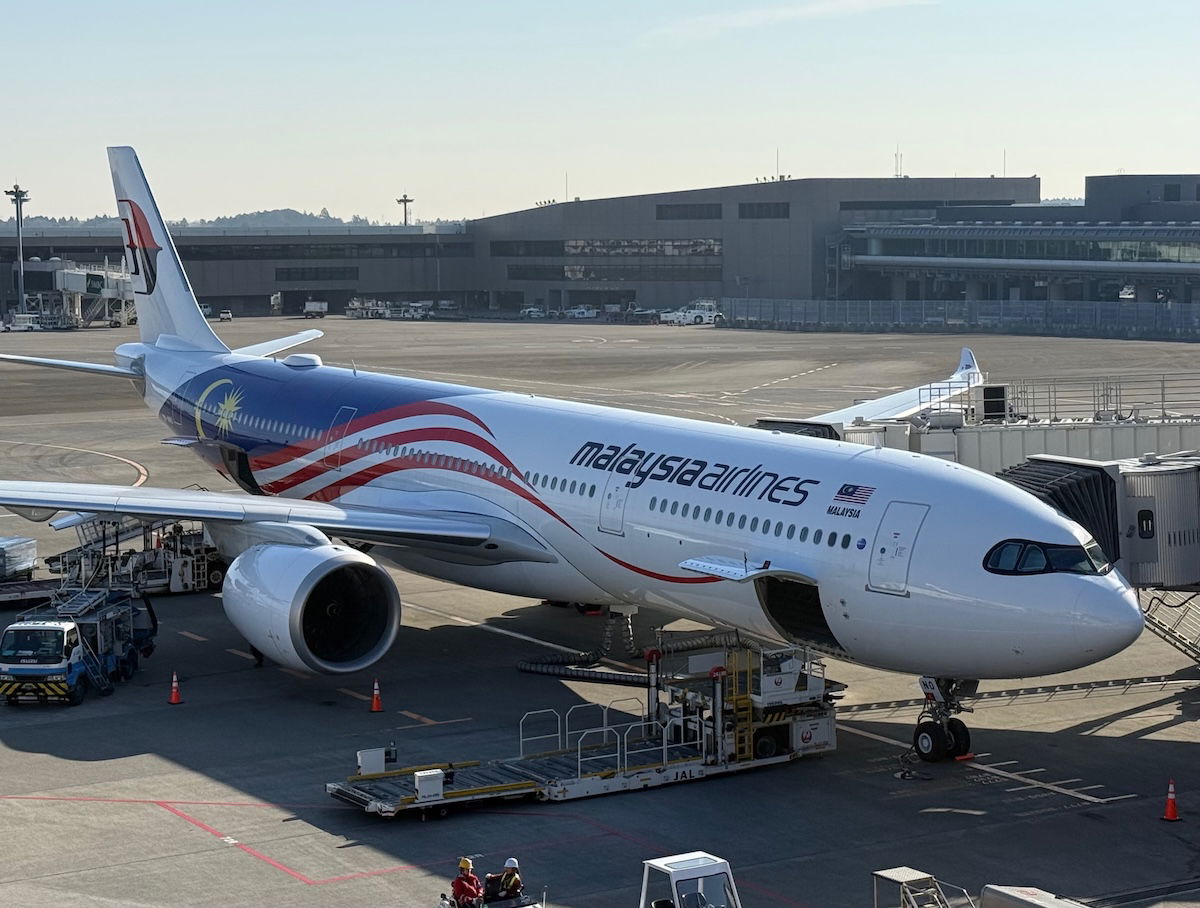
Malaysia Airlines has launched mandatory drug screening for all of its pilots in response to an arrest earlier this month involving one of the carrier's cockpit crew members, who was detained in Indonesia on drug smuggling charges and subsequently tested positive for methamphetamine, ecstasy, and cocaine.
The oneworld alliance member announced that its complete pilot roster—numbering 1,260—must undergo drug testing by August 15, 2026. Flight crew who fail to complete screening by that deadline will be grounded until cleared through company procedures, according to the airline's statement.
"Operational safety and crew fitness for duty are non-negotiable at MAG," said Malaysia Airlines Group CEO Nasaruddin Bakar. "While this isolated incident does not reflect the professionalism of the overwhelming majority of our employees, we will continue strengthening our safeguards to maintain the confidence of our passengers and stakeholders."
The incident that triggered the screening program involved a 39-year-old second officer who was apprehended after arriving in Jakarta from Kuala Lumpur. Authorities reportedly seized more than 70,000 ecstasy pills from the crew member, who was also found carrying a vial of clear urine—an apparent attempt to defeat drug testing protocols. The airline has since clarified that the individual was traveling in the cockpit jump seat as an observer rather than serving as an operating pilot on that particular flight, and had been off duty for two days prior to the journey.
Malaysia Airlines emphasized that the enhanced screening builds upon existing safety measures, which include pre-employment screening, Class 1 medical certification requirements, recurrent training programs, periodic substance testing, and mandatory pre-flight compliance verification covering licenses, medical status, training records, and currency requirements. The carrier described its response as reflecting zero tolerance for violations of its safety standards.