Inside The Flight Deck: How Pilots Navigate Transatlantic Crossings
While passengers settle in for what appears to be a routine journey, flight crews manage a highly structured operation across one of the world's most carefully controlled airspaces—without radar coverage for most of the crossing.
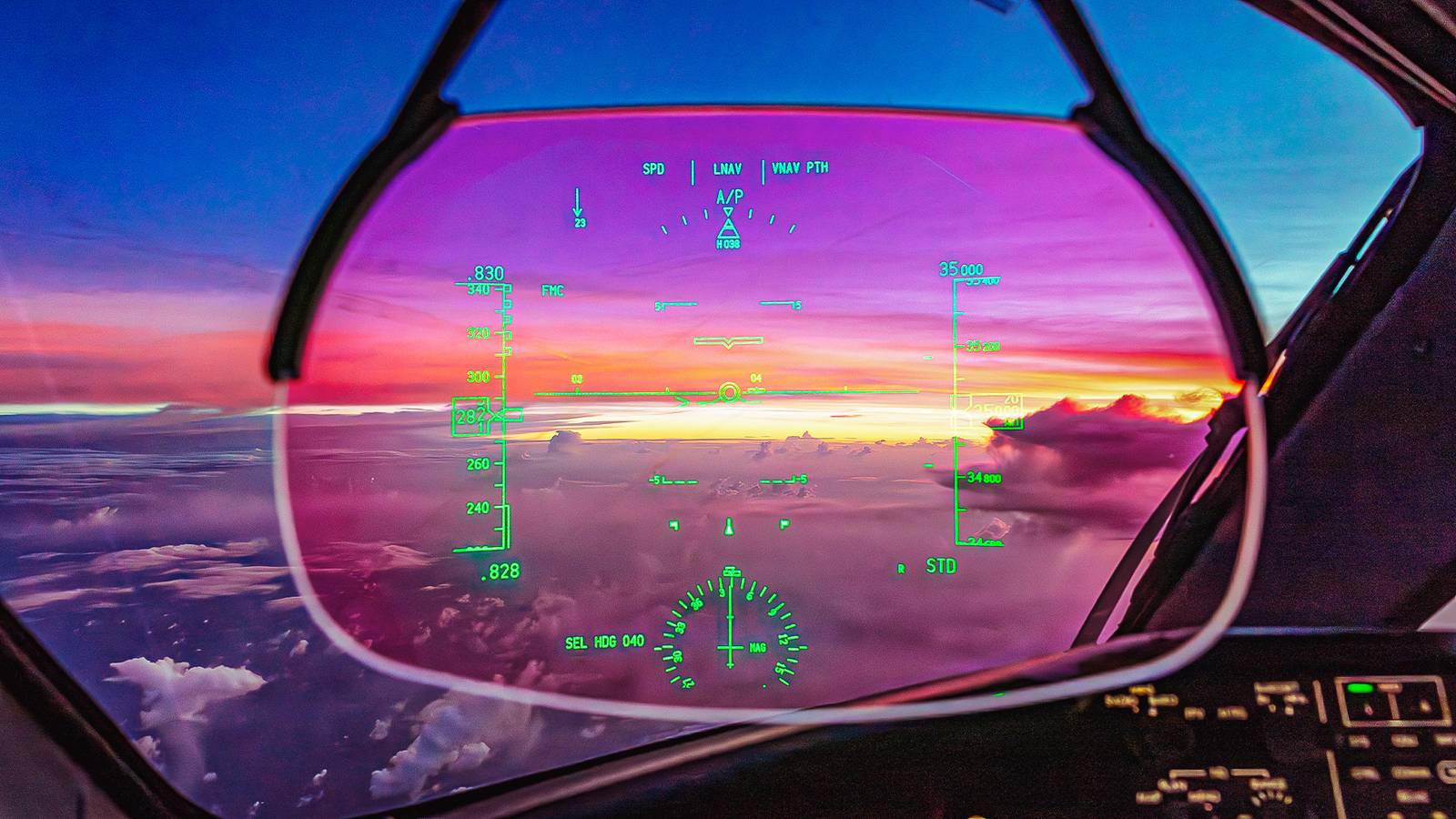
For travelers crossing the Atlantic, the flight experience often seems unremarkable. Following takeoff and climb, the seatbelt sign extinguishes, cabin service commences, and hours pass before descent begins on the far shore. From passenger seats, pilots might appear to simply monitor automated systems while the aircraft handles the crossing autonomously.
Flight deck operations tell a different story, according to an operational overview published this week. Traversing the North Atlantic demands crews work within carefully managed procedural airspace where radar surveillance remains unavailable throughout much of the journey. Aircraft separation depends almost entirely on precise procedures rather than continuous tracking, creating demands that differ substantially from continental operations.
Preparation begins well before reaching oceanic boundaries. Flight crews must secure oceanic clearance from the appropriate Area Control Center, typically requesting authorization at least 40 minutes before reaching their designated entry waypoint. This advance timing proves essential for resolving any routing complications before entering procedural airspace, where amendment opportunities become limited. The clearance process differs markedly from domestic operations, where aircraft remain under constant radar observation and can receive revised instructions throughout flight.
Once oceanic clearance is obtained, crews verify assigned routings, review potential diversion airports, and prepare communication systems that function differently than land-based equipment. Throughout the crossing itself, pilots maintain continuous monitoring of fuel consumption, navigation precision, aircraft performance parameters, meteorological conditions, and system status while adhering to strict operational requirements.
Though rarely dramatic, the work demands sustained attention, disciplined cross-verification between crew members, and ongoing coordination with air traffic control. The structured approach enables hundreds of flights to complete Atlantic crossings safely each day, even as passengers remain largely unaware of the procedural complexity occurring beyond the cockpit door. The operational framework represents a carefully balanced system where automation supports—rather than replaces—active crew management across ocean expanses.
Plan this trip
Here's what it costs.