FAA Awards $12M to 19 Firms for Drone Safety Research
The agency is funding projects ranging from collision-avoidance systems to drone identity verification, routing the money through nine designated test sites as part of a broader push to expand drone traffic nationwide.
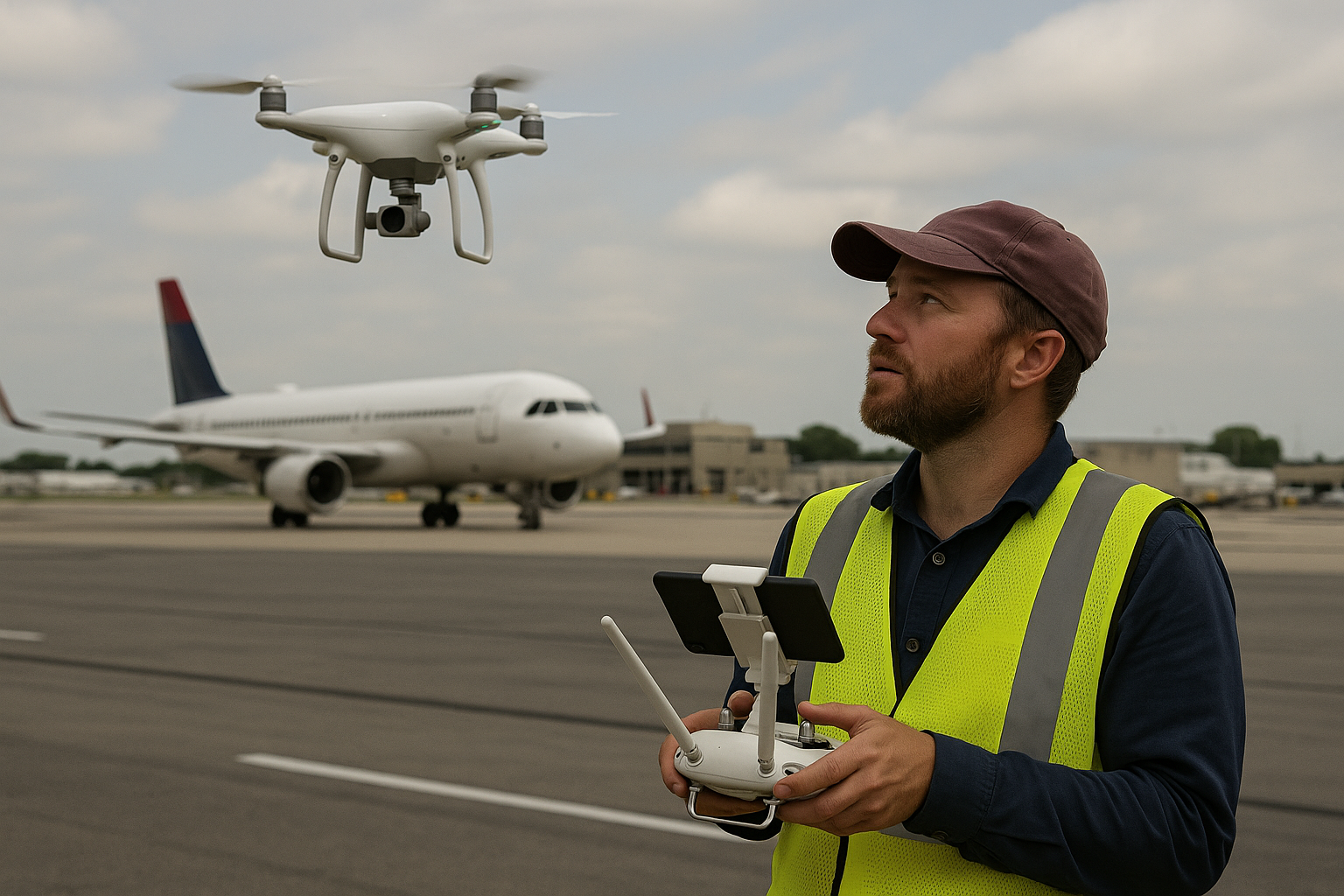
What travelers need to know
- What happened: The FAA awarded $12 million to 19 companies and one university for drone research and testing through its Unmanned Aircraft Systems Broad Agency Announcement Program.
- Who's affected: Drone operators, air taxi developers, and eventually airspace users near the FAA's nine designated UAS Test Sites.
- Where: Projects run through FAA-designated UAS Test Sites in Alaska, North Dakota, New Mexico, Nevada, New York and Texas, among others.
- When: Announced .
- What to do: No traveler action needed now; the research feeds future FAA rulemaking on drone integration into the National Airspace System.
The Federal Aviation Administration said Monday it is distributing $12 million across 19 companies and a university to fund drone research and testing meant to pave the way for broader drone operations in U.S. skies. The money flows through the agency's Unmanned Aircraft Systems Broad Agency Announcement Program, which pairs companies with FAA-designated UAS Test Sites to try out technology before it reaches wider use.
FAA Administrator Bryan Bedford framed the funding as a way to work more directly with industry on the technical problems standing between today's patchwork of drone rules and a future where unmanned aircraft routinely share airspace with commercial jets. "The UAS Broad Agency Announcement Program gives us another way to directly work with industry and our test site partners on technologies that are critical to safe drone integration," Bedford said, adding that the research would sharpen the agency's data and help it spot operational problems before they become safety issues.
Advertisement
The agency tied the awards to the Unleashing American Drone Dominance Executive Order, which calls for fuller use of the test-site network to develop and scale domestic drone technology.
Collision avoidance and air taxi routing top the list
The 19 recipients cover a wide spread of problems. General Atomics is building ground systems to help drones detect and avoid other aircraft, while Skydweller and NAVMAR are working on onboard and flight systems aimed at keeping larger drones clear of traffic. OneRadio Corporation is testing passive radar for the same purpose, and Censys Technologies Corp is evaluating satellite communications to support drones flying long distances beyond the reach of ground-based links.
ANRA Technologies received funding for five separate projects, the most of any company in the group. Its work spans linking air taxi operations with vertiports and flight procedures, giving drones a shared altitude reference, connecting drone traffic management with conventional air traffic control at airports, and building AI tools to classify different drone types. DroneUp LLC is developing a secure method to verify a drone's identity and flight authorization, a piece of infrastructure regulators consider necessary before dense urban drone traffic becomes routine.
| Company | Focus area |
|---|---|
| General Atomics | Ground systems for aircraft avoidance |
| DroneUp LLC | Drone identity and flight authorization verification |
| Censys Technologies Corp | Satellite comms for long-range drone flights |
| Aerial Vantage | Managing reserved urban airspace |
| ResilienX, Inc. | Software for coordinating drone missions |
Nine test sites anchor the program
All the funded work runs through the FAA's nine designated UAS Test Sites, which span Alaska, North Dakota, New Mexico, Nevada, New York and Texas, among other locations. SPS Aerial Remote Sensing picked up three separate awards covering drone visibility technology, a sensor system for traffic management and counter-drone operations, and tools to measure how well drone sensors actually perform. Oklahoma State University is testing its own drone visibility work under a project called Aero Aware, and Devorto Corporation is piloting a long-range cargo drone service.
Advertisement
The FAA did not set a timeline for when results from these projects might translate into new operating rules or airspace rights for drone operators. For now, the test sites will run the trials and report findings back to the agency, which says the data will shape how it ultimately integrates unmanned aircraft into airspace shared with passenger and cargo flights.
Advertisement
Plan this trip
Here's what it costs.