Delta Returns to Boeing 787 After Decade-Long Airbus Focus
The Atlanta-based carrier's recent order for 30 Boeing 787-10s marks a strategic reversal after canceling an inherited 787 order in 2016 to concentrate on Airbus widebodies.
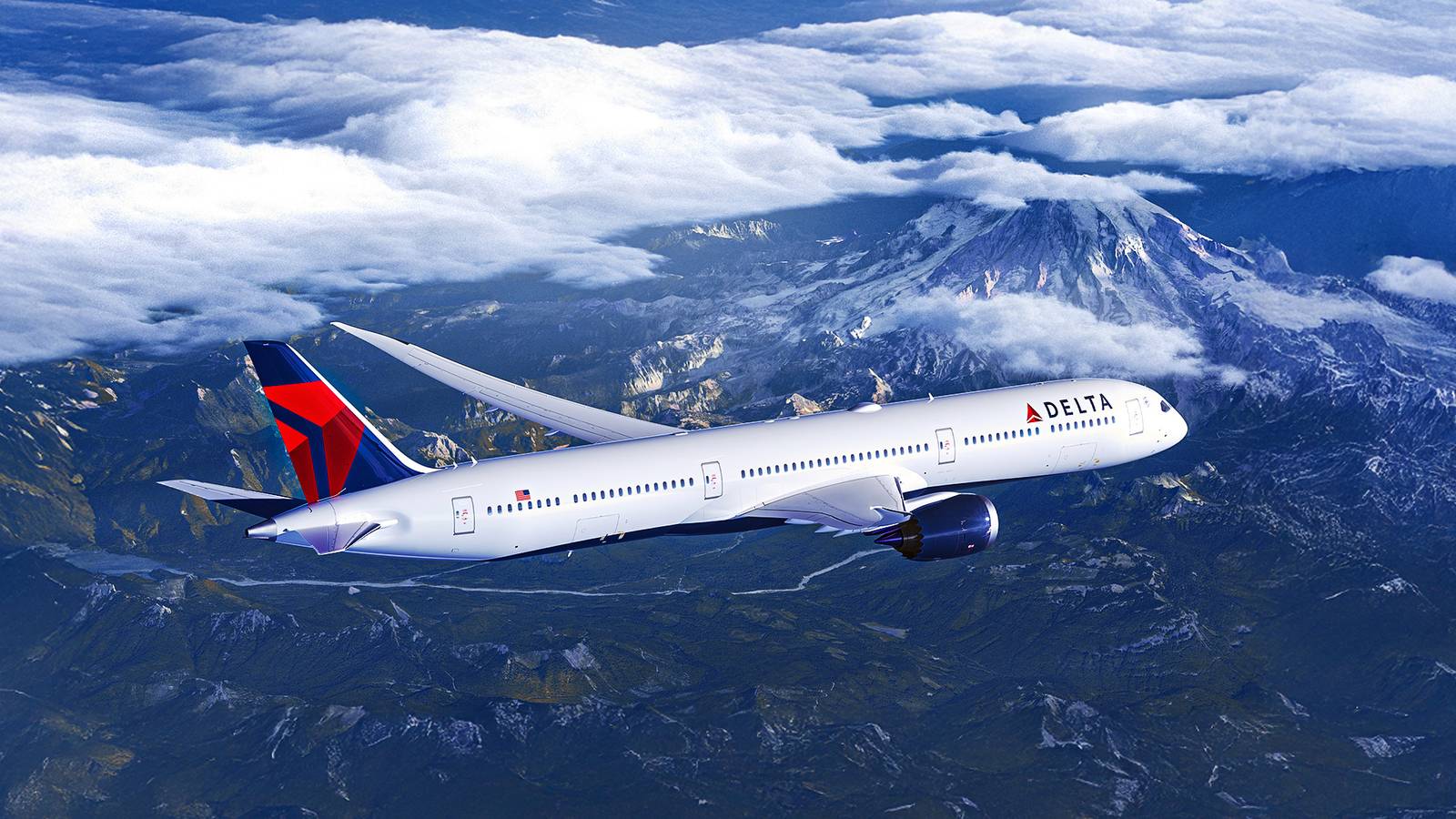
Delta Air Lines has pivoted from its decade-long widebody strategy centered on Airbus aircraft, announcing in January 2026 an order for 30 Boeing 787-10s with options for 30 additional units. The move represents a notable shift for a carrier that previously argued fleet commonality advantages outweighed operating multiple aircraft families.
The carrier's complicated history with the 787 dates to its 2008 merger with Northwest Airlines, which brought an existing commitment for 18 of Boeing's next-generation widebodies. Those aircraft promised enhanced fuel efficiency, reduced maintenance expenses, and improved passenger amenities compared to earlier long-haul models. Yet as the merged airline refined its operational approach, leadership increasingly favored Airbus products for future expansion.
By 2016, Delta had concluded the inherited Boeing commitment no longer aligned with its strategic direction. The airline scrapped the 787 order entirely, instead deepening its relationship with Airbus through investments in A330neo and A350 variants. Executives at the time emphasized that consolidating around a single manufacturer would streamline pilot certification requirements, maintenance procedures, and spare parts management while reducing overall operational complexity.
The January announcement signals a recalibration of that philosophy. While Delta has not characterized its earlier cancellation as an error, the decision to acquire 787-10s raises questions about whether advantages the carrier dismissed years ago have become more compelling. The order suggests the airline now sees value in operating both Airbus and Boeing widebody families despite the additional complexity that entails.
Industry observers note the timing of Delta's return to Boeing coincides with evolving market conditions and fleet replacement needs. Whether the carrier views its extended Airbus-focused period as a missed opportunity remains unaddressed publicly, though the substantial new Boeing commitment speaks to shifting priorities within the SkyTeam alliance member's long-term planning.
Planning United States



Plan this trip
You've read what changed in United States. Here's what it costs.