Delta Cancels 4,626 Flights in July, Nearly Triple Southwest's Total
The Atlanta-based carrier slipped to fourth place in on-time performance while canceling nearly 3% of scheduled operations, exposing ongoing recovery challenges from weather disruptions.
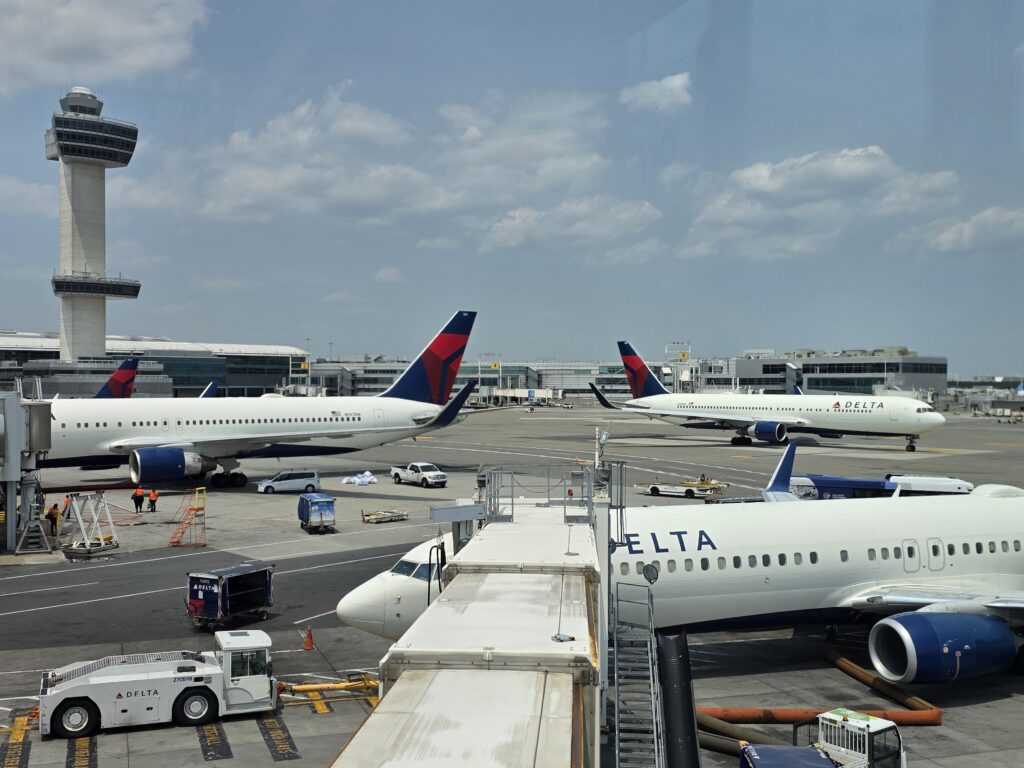
Delta Air Lines cancelled 4,626 flights during July — approximately 2.6 times the number scrubbed by Southwest Airlines — despite operating only 28 percent more flights than its low-cost competitor, according to aviation analytics firm Cirium.
The carrier's completion factor fell to 97.2 percent for the month, representing nearly 3 percent of scheduled operations canceled. Delta dropped to fourth place in on-time performance at 75 percent, trailing WestJet, Alaska Airlines, and United Airlines. The performance marks a significant deterioration from the carrier's historical reliability standards.
Multiple severe weather events struck the Northeast and Atlanta throughout July, including New York storms from July 16-18, a broader Northeast disturbance on July 21-22, another New York event from July 26-29, and severe weather in Atlanta on July 24-25. While weather triggered initial disruptions, Delta's struggles centered on recovery operations following these events, with cascading delays persisting long after meteorological conditions improved.
The carrier has identified pilot scheduling systems as a contributing factor to extended recovery times. Delta's management acknowledged in spring earnings calls that operational challenges would persist through summer, warnings that proved prescient as July's cancellation rate worsened. The airline's information technology infrastructure reportedly struggles to manage provisions in the current pilot contract, while cockpit crew staffing levels have failed to provide adequate operational buffers.
Southwest Airlines, meanwhile, posted a 67.19 percent on-time arrival rate — 6.6 percentage points below its first-half 2025 average — but maintained a 98.9 percent completion factor with just 1,388 cancellations. The carrier's delays stem partly from longer boarding times as passengers carry more bags onto aircraft to avoid new checked baggage fees, an issue management addressed during second-quarter earnings discussions. Schedule adjustments planned for later this year aim to improve turnaround times and reliability.
Industry-wide performance declined across North America, with aggregate on-time rates falling from 79.3 percent in May to 71.58 percent in July, according to Cirium data.
Planning United States


Plan this trip
You've read what changed in United States. Here's what it costs.