Boeing 777 Rolling Takeoffs Cut Fuel Use But Demand Precise Technique
Flight crews on the widebody twin-jet increasingly skip the traditional full stop before thrust application, though the maneuver requires strict adherence to stabilization protocols and favorable runway conditions.
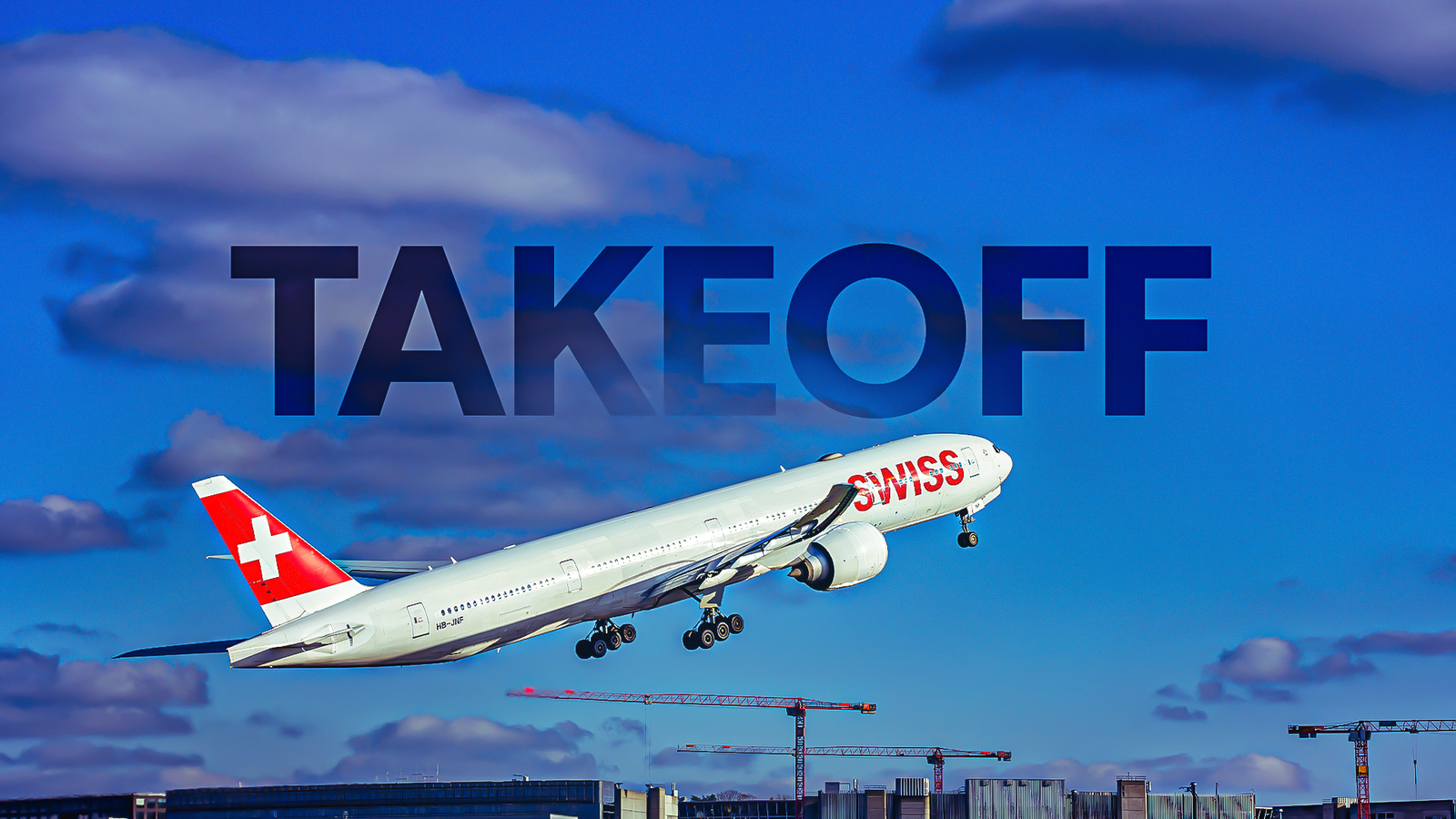
When a Boeing 777 aligns with the runway centerline at major airports, crews face a procedural choice that balances efficiency against operational risk: whether to bring the aircraft to a complete standstill before advancing thrust levers, or maintain rolling momentum through the turn.
Carriers including Japan Airlines have institutionalized rolling takeoffs across their long-haul fleets, citing measurable reductions in fuel consumption and departure time. According to internal airline guidance, entering the runway at eight to twelve knots permits smoother thrust application by eliminating the need to overcome static inertia. The technique also reduces engine stress, lowers community noise exposure, and streamlines departure sequencing at congested hubs.
The operational gains come with stringent requirements. Flight deck crews must ensure both engines—whether General Electric GE90 units reaching fifty-five percent N1 or Pratt & Whitney and Rolls-Royce powerplants hitting one-point-zero-five EPR—achieve symmetrical stabilization while the aircraft accelerates down the runway. An asymmetric thrust condition during the rolling phase can induce sharp yaw toward the lower-performing engine, creating a directional control challenge on a widebody exceeding seven hundred thousand pounds at maximum takeoff weight.
Boeing flight manual guidance and carrier standard operating procedures jointly govern the decision to roll or stop. Air traffic control instructions, runway length, and performance calculations completed before reaching the hold-short line all factor into the final call. The continuous-roll method delivers time and fuel savings on every departure, but those efficiency benefits depend entirely on dry, high-friction pavement beneath the landing gear.
When runways are contaminated by standing water, slush, or ice, the calculus shifts decisively. Under degraded surface conditions, airlines and manufacturers recommend reverting to a full-stop, static brake hold before thrust application, sacrificing the incremental fuel economy in favor of assured directional control during the takeoff roll.