Boeing 747's Iconic Hump Was Deliberate Cargo Design, Not Accident
The raised upper deck that made the 747 instantly recognizable was engineered from day one to enable nose-loading cargo operations, not added as a passenger amenity afterthought.
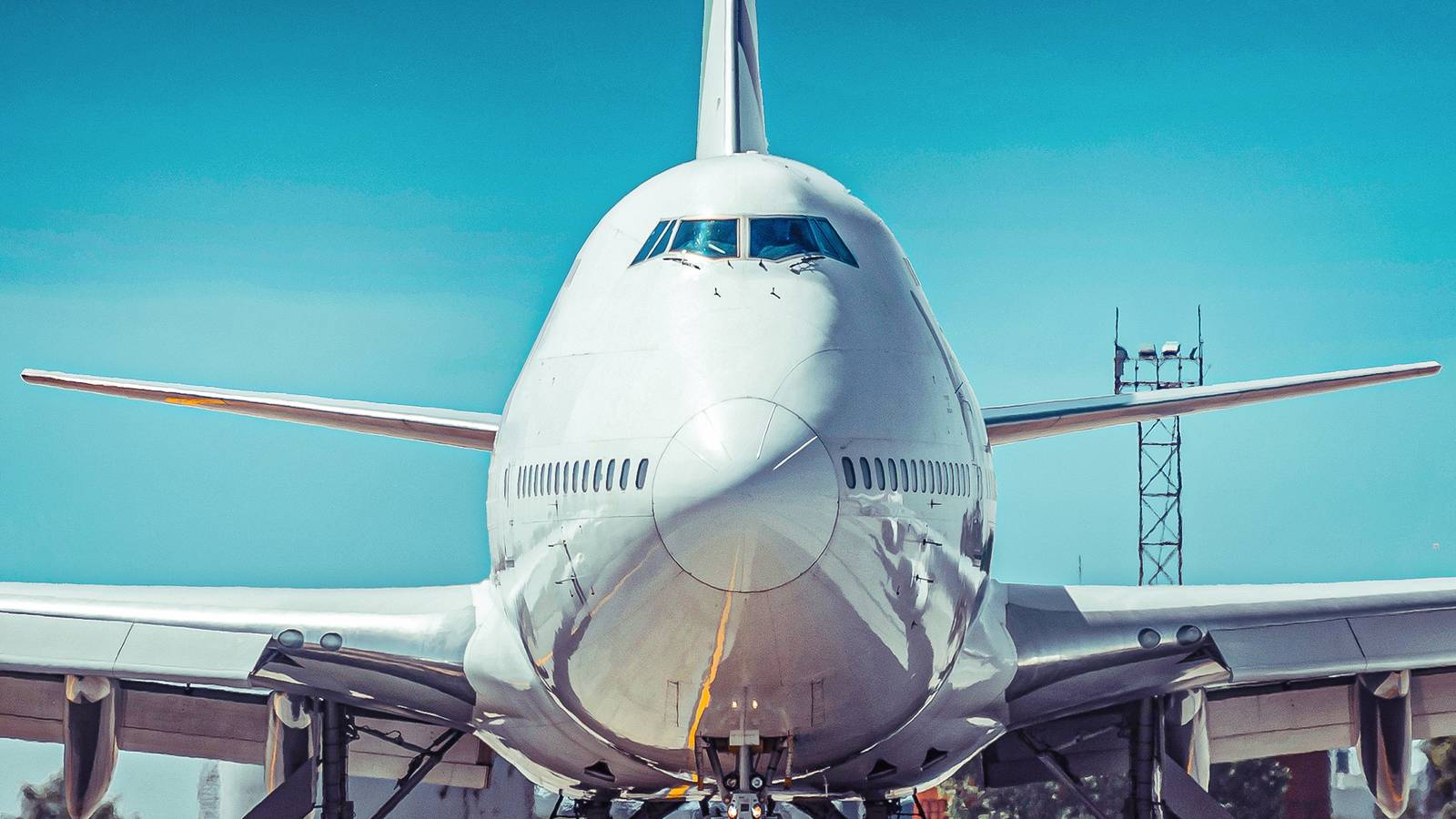
One of commercial aviation's most persistent myths holds that the Boeing 747's distinctive raised cockpit emerged from a styling whim or last-minute design revision. According to a detailed examination of the aircraft's development history, the hump was instead a calculated engineering solution tied to 1960s freight logistics and market forecasting.
When chief engineer Joe Sutter and his design team began work on the widebody jet in the mid-1960s, industry forecasters anticipated that supersonic transports including the Concorde and Boeing's own proposed 2707 would capture intercontinental passenger traffic within a decade. To safeguard the considerable development investment, Boeing conceived the 747 primarily as a heavy-lift cargo platform capable of handling standardized intermodal shipping containers.
Elevating the flight deck above the main cabin floor allowed engineers to incorporate a swing-open nose cone for straight-in freight loading. This configuration created an unobstructed cargo tunnel running from the aircraft's forward section to the aft pressure bulkhead, accommodating 40-foot shipping containers without requiring technicians to disconnect flight control cables or hydraulic systems each time the nose door opened.
The design approach drew on Boeing's earlier participation in the US Air Force Heavy Logistics System competition during the early 1960s. Though Lockheed secured that contract with the C-5 Galaxy, Sutter adapted the high-cockpit, front-loading architecture for commercial application. Dimensioning the main deck around two side-by-side containers measuring eight feet square established an industrial standard that remained relevant for more than five decades.
The raised upper deck configuration solved what the development team characterized as a complex logistics challenge. While side cargo doors work adequately for palletized goods, inserting full-length intermodal containers demanded an unobstructed frontal opening that would have been impossible with conventional cockpit placement.
Plan this trip
Here's what it costs.