American Airlines Bans Humanoid Robots, Completing US Big Three Prohibition
Fort Worth-based American Airlines has updated its internal policy to prohibit human-like and animal-like robots from both cabin and checked baggage, joining Delta, United, and Southwest in implementing the restriction.
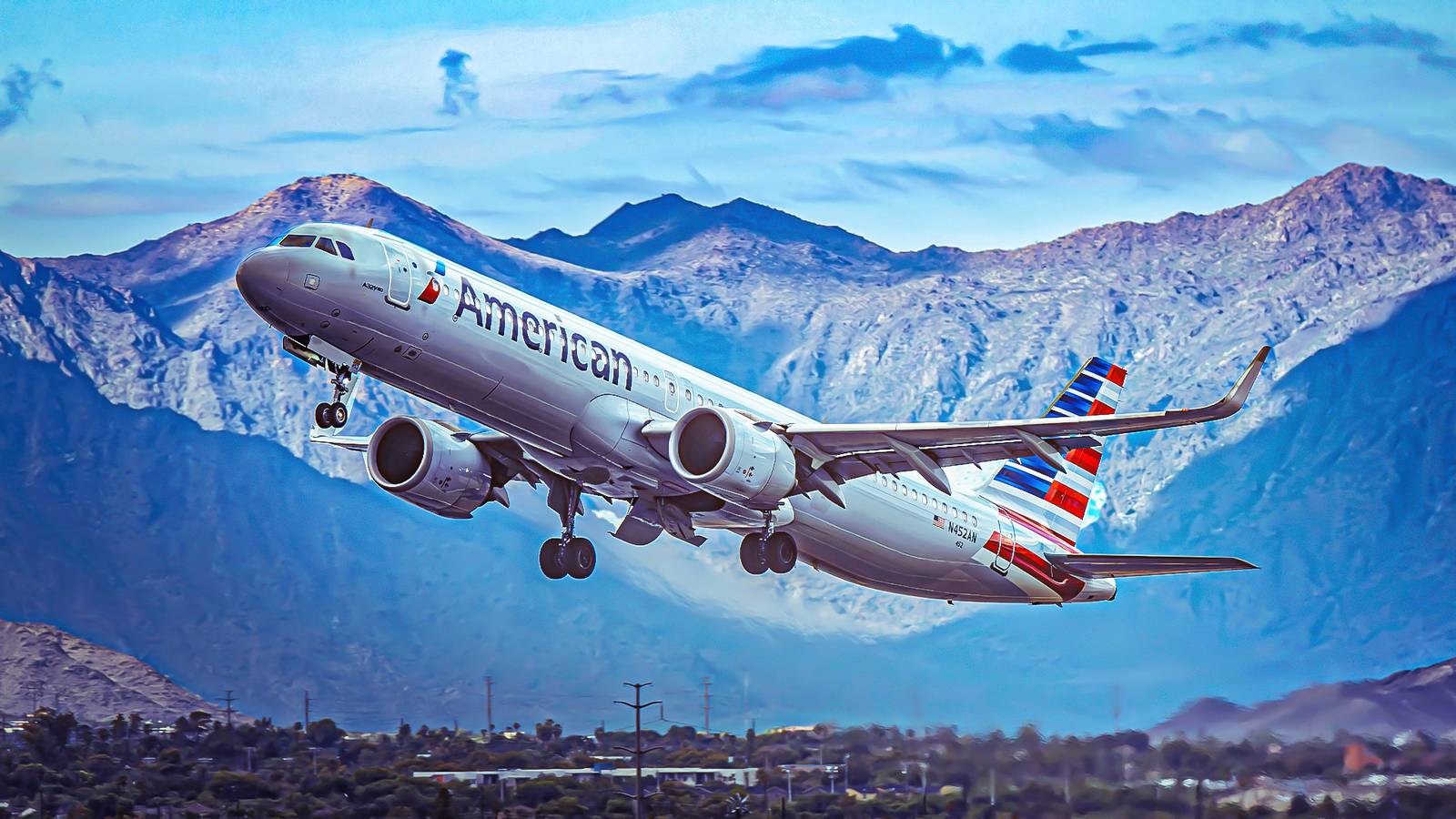
American Airlines has instituted a comprehensive ban on humanoid and animal-like robots across all flights, according to an internal policy update issued to employees. The prohibition bars passengers and staff from transporting the robotic devices in either cabin baggage or checked luggage, effective immediately.
The carrier's policy specifically targets robots engineered to replicate human or animal appearance, movement, or behavior. The update explicitly states that purchasing a separate seat for a humanoid robot will not exempt it from the restriction, and clarifies that such devices cannot qualify as emotional support equipment.
American's decision follows similar prohibitions already enacted by Southwest Airlines, Delta Air Lines, and United Airlines, completing a sweep across the nation's major carriers. The policy shift comes amid rising concerns over passenger conflicts involving the robots and significant safety hazards linked to their power systems.
According to the policy documentation, typical humanoid robots operate on lithium-ion batteries with capacities ranging from 800 watt-hours to 2,500 watt-hours. Should such a battery experience thermal runaway, it could generate smoke, fire, or dangerous heat levels in the confined aircraft environment. While cabin crew currently manage smaller device fires using thermal containment bags, the substantially larger battery packs in humanoid robots present logistical challenges, particularly when stowed in overhead bins or cargo holds beyond immediate crew access.
The Federal Aviation Administration has documented a troubling upward trend in battery-related aviation incidents. Between March 3 and July 16, the agency verified 756 separate events involving lithium batteries that produced smoke, fire, or extreme heat from devices including e-cigarettes, mobile phones, and laptops. Aviation safety officials have expressed concern that permitting humanoid robots on flights could accelerate this incident rate substantially.
The coordinated action by America's largest carriers effectively establishes an industry standard that may influence international aviation policy as humanoid robot ownership becomes more widespread among consumers.