Allegiant Emerges as US Budget Leader After Spirit Shutdown
The collapse of Spirit Airlines and Allegiant's acquisition of Sun Country have fundamentally reordered the ultra-low-cost carrier landscape, creating new competitive dynamics among surviving budget airlines.
The ultra-low-cost airline sector in the United States has undergone its most significant transformation in two decades following Spirit Airlines' operational shutdown in May 2026 and Allegiant Air's concurrent acquisition of Sun Country Airlines, according to industry analysis.
Spirit's cessation of flying last spring eliminated approximately 1.6 million domestic seats from the marketplace and left numerous routes without their most affordable service option, according to a report. The carrier, which ranked among the nation's largest budget operators, had faced mounting financial pressures for years before ultimately discontinuing service.
During the same period, Allegiant finalized its purchase of Sun Country for $1.5 billion, creating what is now characterized as the segment's largest leisure-oriented airline. The combined entity operates roughly 195 aircraft serving nearly 175 cities across more than 650 routes, transporting approximately 22 million passengers annually. The transaction reportedly provided Allegiant with network breadth that would have required years to develop independently.
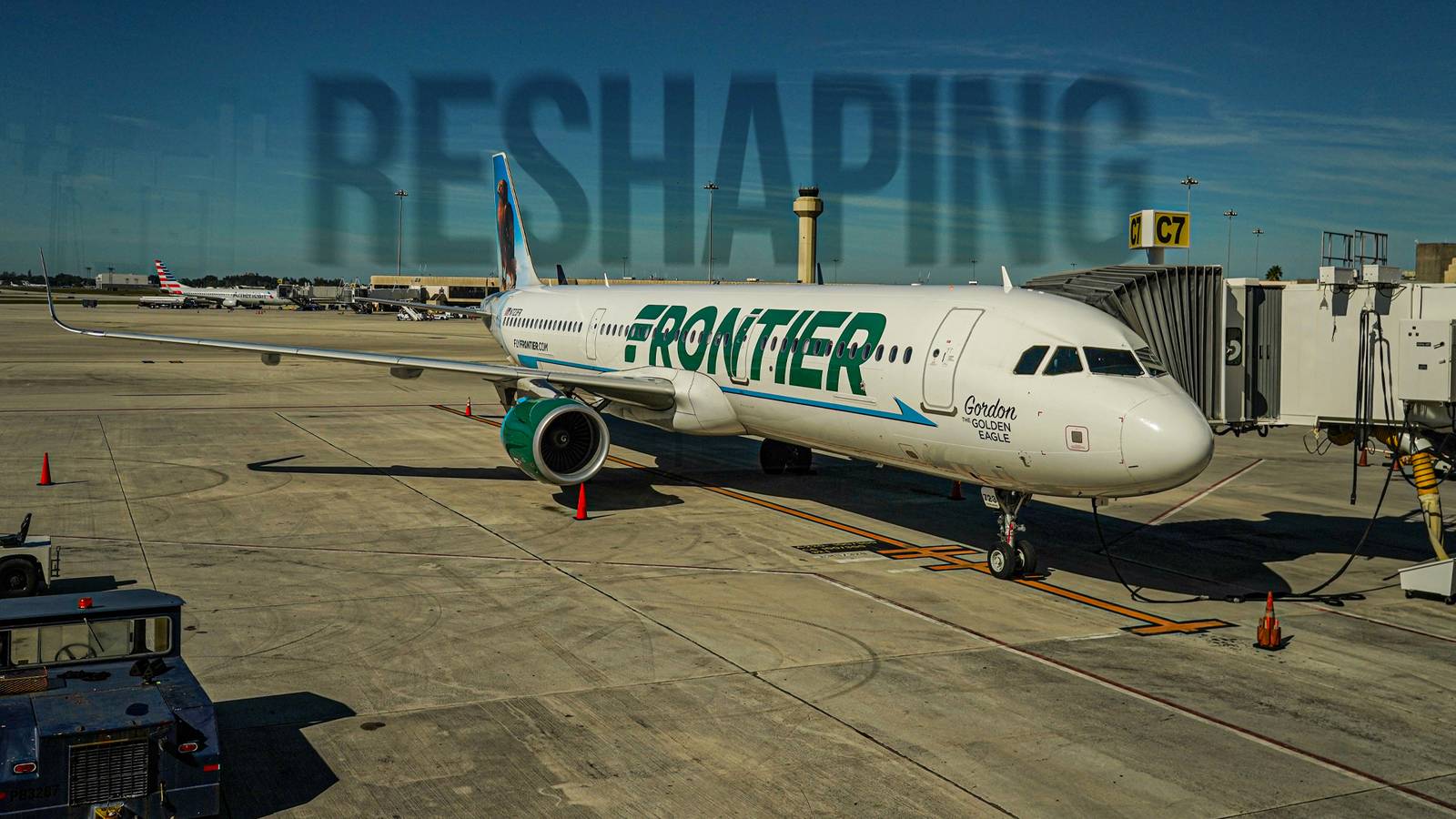
The simultaneous events have forced remaining ultra-low-cost carriers to reassess their competitive strategies. Frontier Airlines must rebuild its business trajectory following a challenging financial year and the disappearance of its long-standing competitor, while newer entrants Breeze Airways and Avelo Airlines continue pursuing growth in markets where legacy carriers maintain limited presence.
Industry observers note that budget airlines are increasingly distinguishing themselves through network strategy, operational performance, and service quality rather than competing exclusively on advertised fares. The shift represents a strategic evolution for a sector that previously emphasized price above all other factors.
The developments mark what analysts describe as the most disruptive twelve-month period the ultra-low-cost segment has experienced since these carriers first appeared in the early 2000s. Each surviving operator now occupies a fundamentally different competitive position than it held just one year ago, with implications for fare competition and route availability across domestic markets.
Planning United States



Plan this trip
You've read what changed in United States. Here's what it costs.